

English Silver Stand
An English silver stand brings refined utility to a desk or dining table, combining solid silver or plate with glass and wood.
English Silver Stand
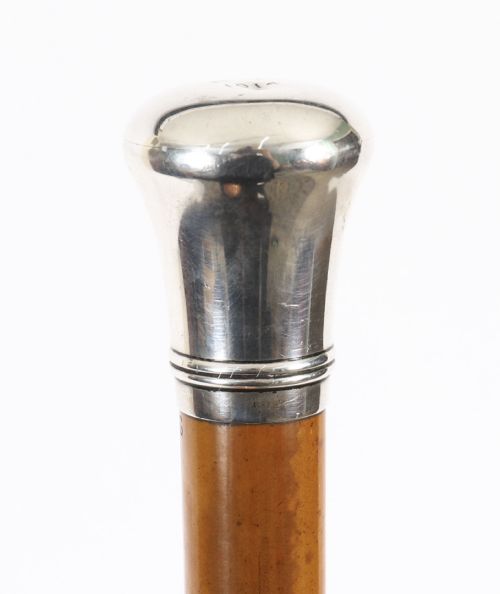
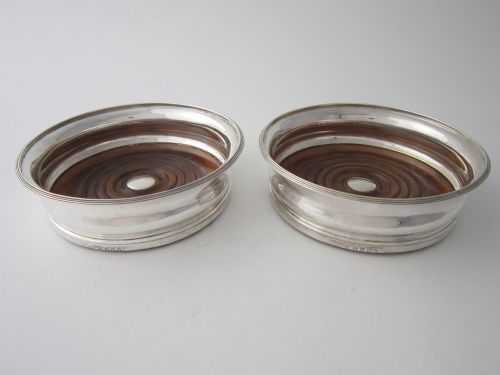
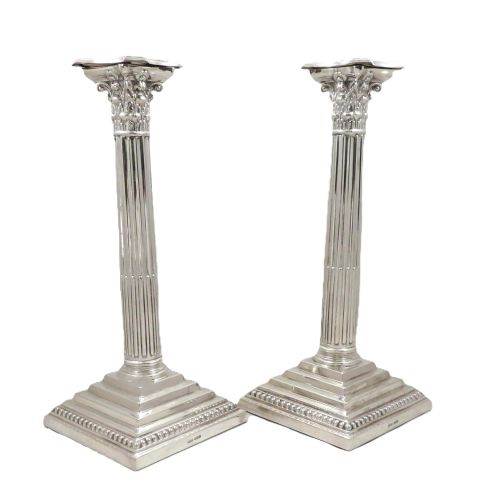
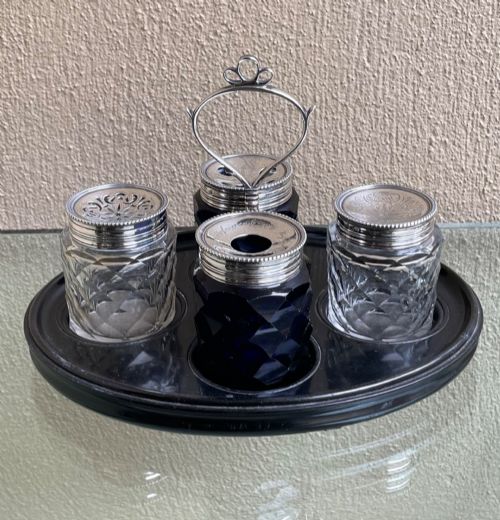
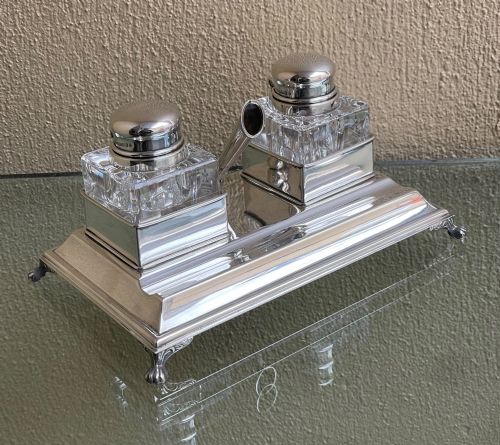
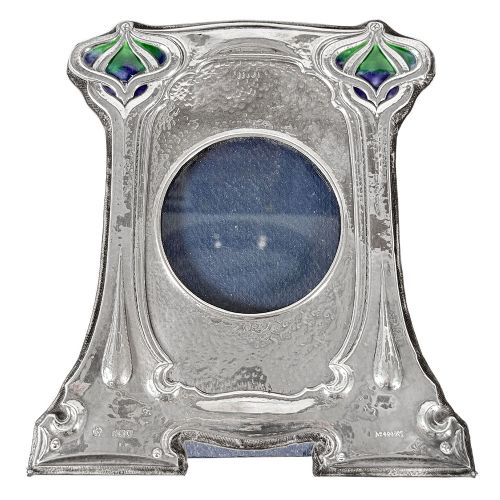
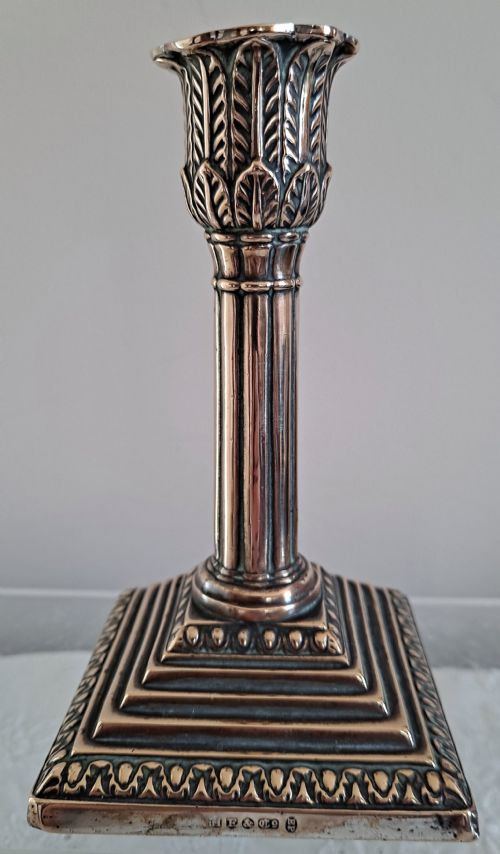
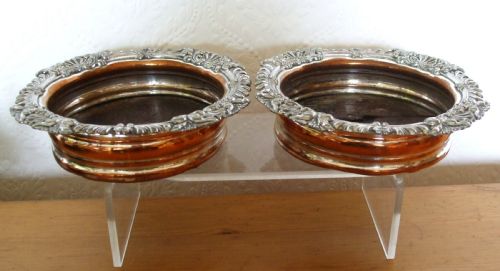
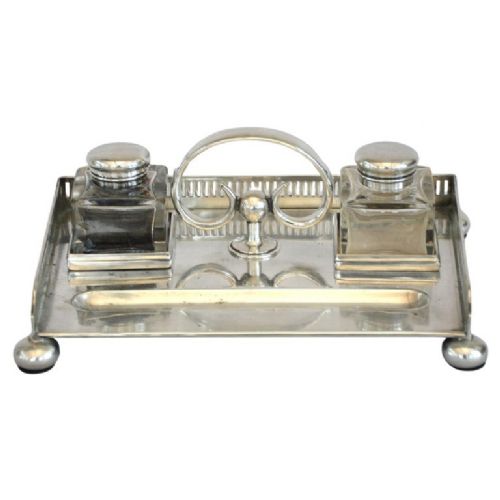
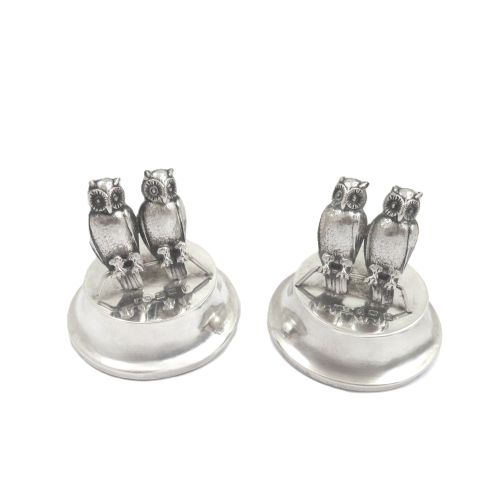
An English silver stand encompasses a diverse group of functional domestic accessories designed for the desk, table, or sideboard. The selection spans utilitarian forms such as inkstands, cruet sets, and wine coasters alongside display pieces like candlesticks and photograph frames.
Buyers most frequently encounter Victorian and Edwardian examples executed in sterling silver or silver plate. These pieces often incorporate cut glass containers, wooden bases, or brass details to support their intended function.
Origins stretch across the 19th and 20th centuries, reflecting changing domestic habits from formal writing desks to dining room presentation. Each form serves a specific purpose, whether holding inkwells, wine bottles, or menu cards.
How they were made
Construction relies heavily on sterling silver and silver plate applied over base metals or old Sheffield plate methods. Manufacturers combined these metalworking traditions with turned wood, ebony, or cast brass to provide stability and structural contrast.
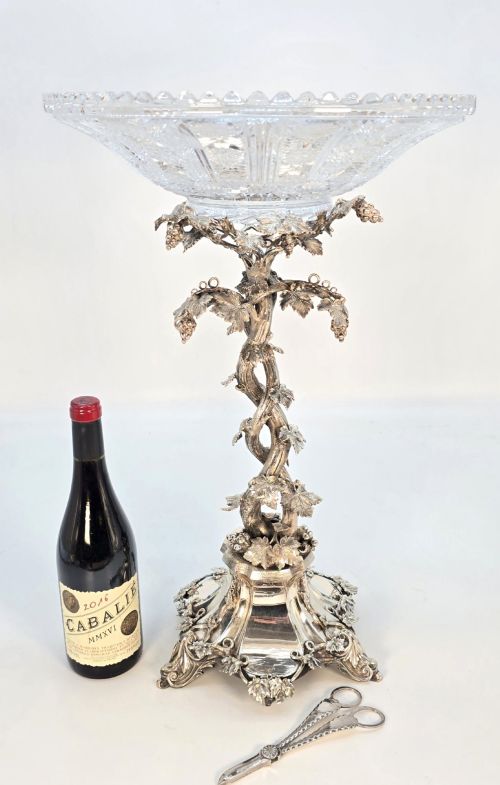
Cut glass inserts and vessels appear frequently in cruets and inkstands, demonstrating skilled glass-cutting techniques alongside metal casting and engine-turning. Artisans shaped columns, galleries, and mounts using hand-hammered and cast components.
English Silver Stand Retail Price Guide 2026
Typical asking prices for english silver stand among the pieces listed under this phrase on Sellingantiques today, from the lower quarter to the upper quarter. They describe what is for sale here now, not the wider market.
Object forms span practical desk accessories, menu holders, and cruet sets alongside larger table centrepieces and candlesticks.
What varies in quality
The distinction between tiers rests upon the weight of the metal, the crispness of cast or chased decoration, and the integrity of any fitted glass or wood components. Substantial gauge silver and deep engine-turning separate robust workshop output from lighter mass production.
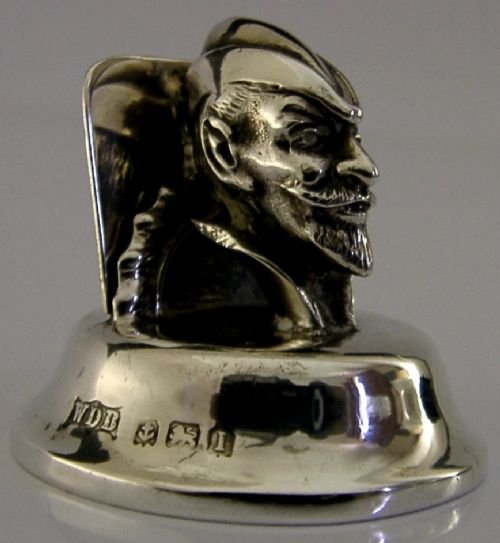
Makers' marks and hallmarks provide clear evidence of origin, with distinguished silversmiths demonstrating superior finishing on mounts, hinges, and gallery borders.
Elkington and Co·William Hutton and Sons·Walker And Hall·Robert Garrard London·Mappin and Webb
The English Silver Stand Glossary
- Sterling silver
- An alloy containing 92.5 percent pure silver and 7.5 percent other metals, typically copper, used to ensure durability in domestic objects.
- Silver plate
- A manufacturing method where a thin layer of silver is fused or electroplated onto a base metal such as copper, brass, or pewter.
- Inkstand
- A desk accessory comprising a tray fitted with inkwells, pen holders, and sometimes a sander or wafer box for correspondence.
- Wine coaster
- A small circular tray, often with a wooden base and a silver or plated rim, designed to protect table surfaces when passing bottles.
- Cruet set
- A collection of small glass bottles mounted on a stand for holding condiments, vinegar, oil, or spices at the dining table.
English Silver Stand: Frequently Asked Questions
What is an English silver stand used for?
These stands serve various domestic functions, primarily organising desk accessories like inkwells or supporting wine bottles and cruet sets on the dining table. Many examples also function as decorative frames for photographs or menus.
Their design reflects the specific social rituals of the Georgian, Victorian, and Edwardian periods, bringing order and polished metal to everyday tasks.
How do I clean sterling silver and silver plate?
Maintenance requires specialised silver polish and a soft cloth to remove tarnish without abrading the metal surface or wearing away thin plating. Care must be taken around fitted glass, wood, or felt bases to avoid moisture damage.
Frequent, gentle cleaning preserves the natural gleam of the piece far better than aggressive chemical treatments.
How can I tell the date of a silver stand?
Dating relies heavily on hallmarks stamped into the metal, which indicate the assay office, the year of testing, and the maker's mark. Stylistic clues such as Neo-Classical columns, Victorian cast ornament, or Edwardian proportions also help narrow the era.
Items made of silver plate often lack full hallmarks but feature maker-specific registry or patent marks that point to a production decade.
Can silver stands be used daily?
Most pieces are robust enough for daily use, provided they receive sensible care and protection from abrasive surfaces. Items like coasters and desk trays transition easily into modern homes for serving drinks or holding modern stationery.
Delicate novelty items or pieces with fragile glass inserts require more cautious handling during everyday use.