




English Silver Silverware
English silver silverware brings centuries of domestic metalwork to the table, offering lasting utility and tangible history through precious metal and plate.
English Silver Silverware
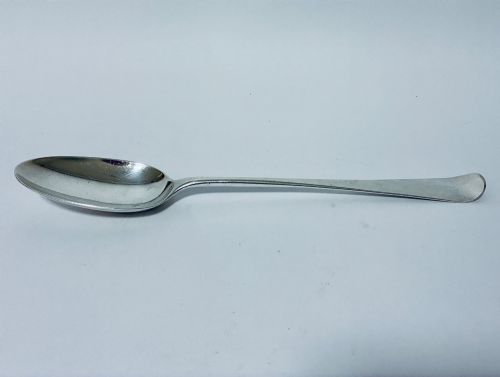
English silver silverware encompasses a diverse range of functional dining and display objects originating from domestic contexts across multiple historical periods. Buyers seeking these pieces encounter everything from grand Georgian serving spoons to Edwardian canteens housed in oak chests.
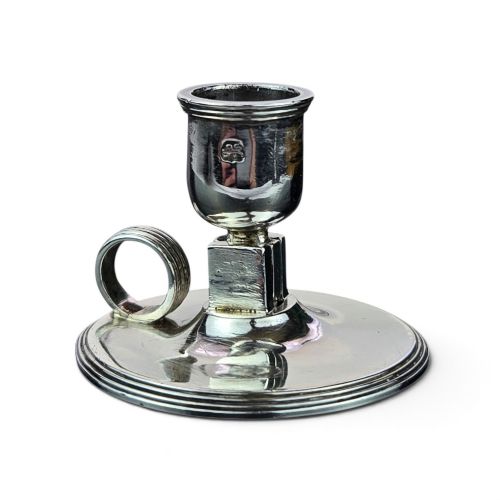
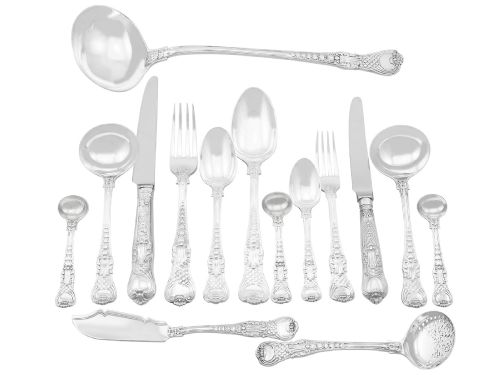
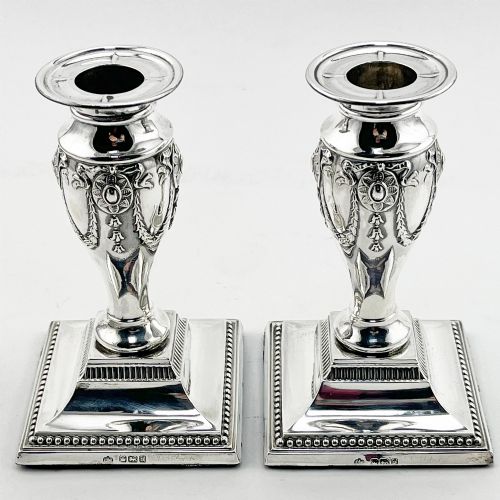
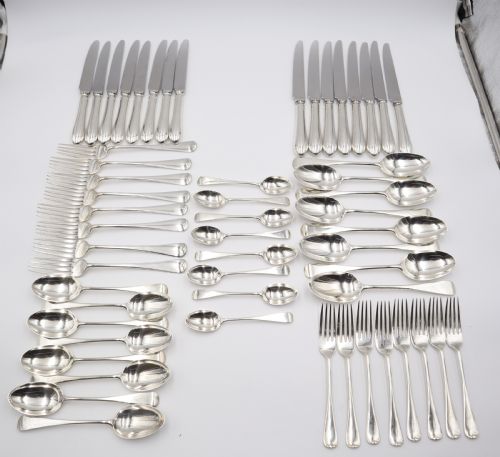
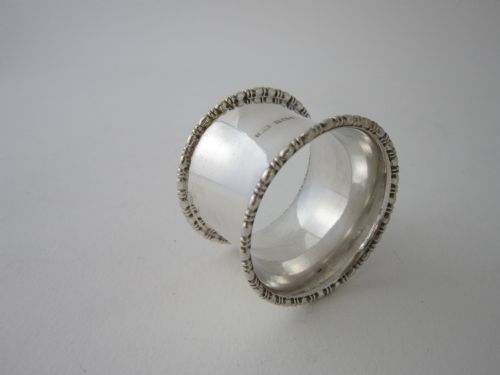
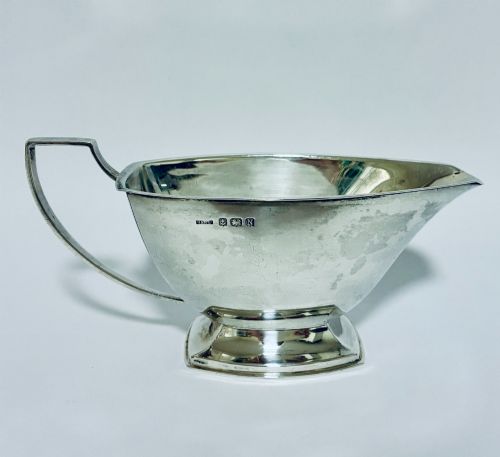
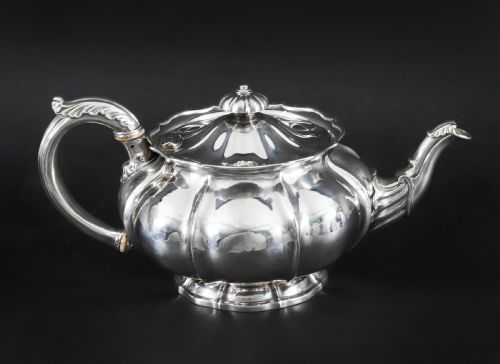
The selection on this page leans heavily toward tableware and table accessories, with practical forms like teapots, sauce boats, toast racks, and candlesticks frequently appearing alongside comprehensive cutlery sets. Origins span centuries of British craftsmanship, capturing shifts in dining habits from the 17th century onward.
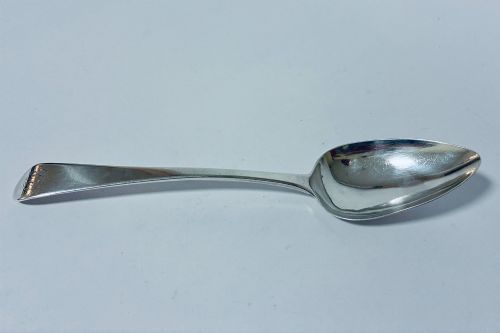
Specific forms such as seal top spoons, caddy spoons, and pepper pots demonstrate the specialised nature of domestic silver production. These items reflect the specific social rituals of their respective eras, whether for tea service, formal dining, or personal presentation.
Materials and construction
Manufacturing methods rely primarily on sterling silver and silver plate, shaped through traditional silversmithing techniques involving hammering, casting, and chasing. The resulting objects often incorporate structural elements of wood and oak in canteens and display tables, alongside occasional brass, steel, and velvet linings.
Makers utilised diverse regional assay offices across England to test and mark metal purity, ensuring standard proportions of silver content. Plated items applied thin layers of silver over base metals, allowing for complex forms like biscuit barrels and novelty spoon warmers to be produced with decorative detail.
English Silver Silverware Retail Price Guide 2026
Typical asking prices for english silver silverware among the pieces listed under this phrase on Sellingantiques today, from the lower quarter to the upper quarter. They describe what is for sale here now, not the wider market.
Listings span from the 17th century through the Victorian era to the mid-20th century, utilising sterling silver, silver plate, oak, and ceramic.
Evaluating the standard
Quality in these pieces rests upon the crispness of hallmarks, the integrity of structural joins, and the preservation of original hand-chased ornamentation. Objects displaying distinct maker marks and clear regional assay stamps demonstrate higher documentary value.
The weight of the metal and the balance of functional forms, such as candlesticks and teapots, indicate the maker's underlying skill. Pieces retaining complete original sets, such as matched cutlery canteens or caddy spoons with double-struck patterns, represent a superior tier of craftsmanship.
John Reilly·Elkington & Co·Paul Storr·Hester Bateman·Walker & Hall·Mappin & Webb·Theo Fennell
The English Silver Silverware Glossary
- Hallmark
- Official stamps struck into precious metal to indicate purity, maker, assay office, and date of production. These marks serve as the primary tool for authenticating British silver.
- Sterling silver
- An alloy consisting of pure silver and other metals, standardised to a specific high proportion of precious content. Most quality English silverware utilises this composition.
- Silver plate
- A manufacturing method where a thin layer of silver is applied over a base metal foundation. This technique enabled decorative tableware to be produced at a broader scale.
- Seal top spoon
- An early form of dining implement featuring a flat, circular terminal resembling a signet seal. These pieces date predominantly to the 17th century.
- Caddy spoon
- A short-handled spoon specifically designed for measuring loose tea from a caddy into a pot. These frequently feature specialised bowl shapes and engraved decoration from the Georgian period.
English Silver Silverware: Frequently Asked Questions
How do I identify older English silver?
Older pieces are identified primarily through clear hallmarking sequences stamped directly into the metal. These stamps reveal the assay office, the specific date letter, and the maker's mark.
Stylistic cues also help distinguish eras, as 17th-century seal top spoons differ markedly in form from Victorian cutlery sets or Art Deco sauce boats.
What is the difference between silver and plate?
Solid silver objects consist of the precious metal throughout, usually meeting strict sterling standards verified by official assay marks. Silver-plated items use a base metal core covered by a thin external layer of silver.
Plated pieces offered a more accessible route to decorative tableware during the Victorian and Edwardian periods.
How should I clean antique silver?
Antique silver benefits from gentle washing in warm water with mild soap, followed by drying with a soft cloth. Avoid abrasive pastes or harsh chemical dips that strip away the subtle patination built up over centuries.
Regular, careful dusting prevents tarnish buildup without wearing down delicate hand-engraved details.
Were canteens of cutlery used daily?
Large canteens containing dozens of pieces were typically reserved for formal dining and grand country house hospitality. They were housed in specialised oak chests or display tables to keep the service organised and protected.
Smaller domestic services saw more regular use, reflecting the household size and dining customs of the period.