





English Silver Servers
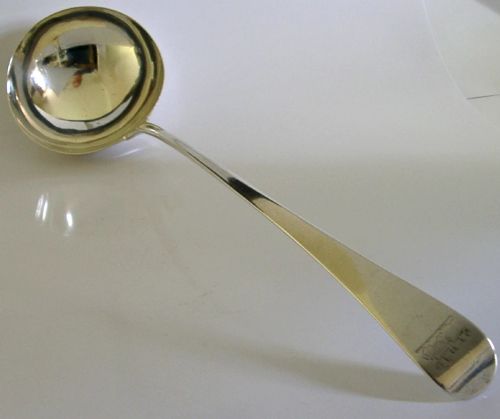
English silver servers bring practical elegance to the table, spanning grand Georgian ladles and Edwardian novelty pieces designed for specialised dining.
English Silver Servers
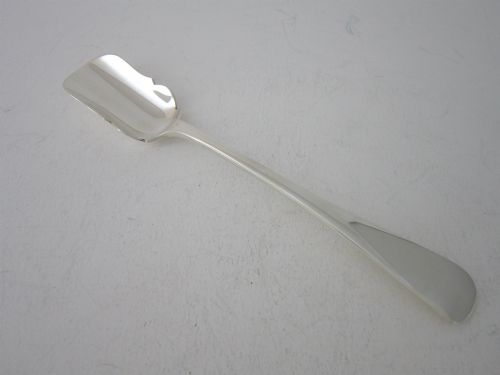
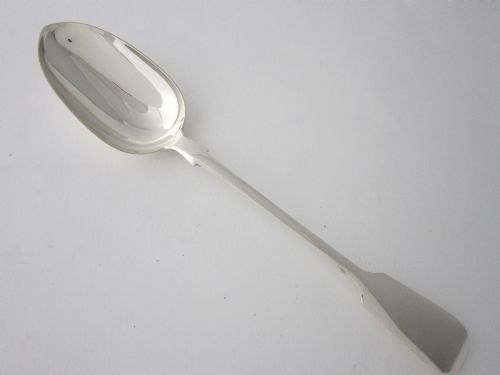
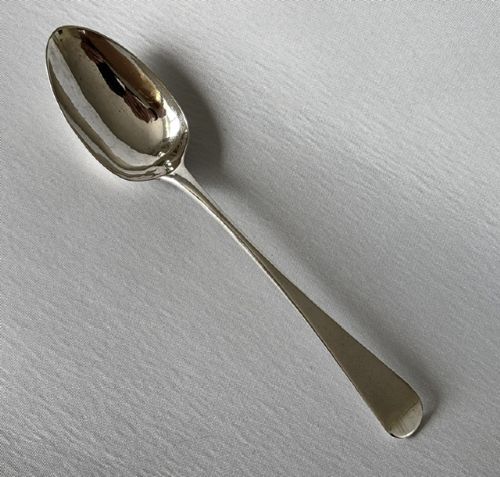
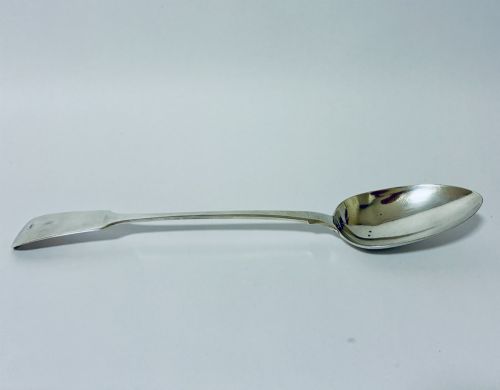
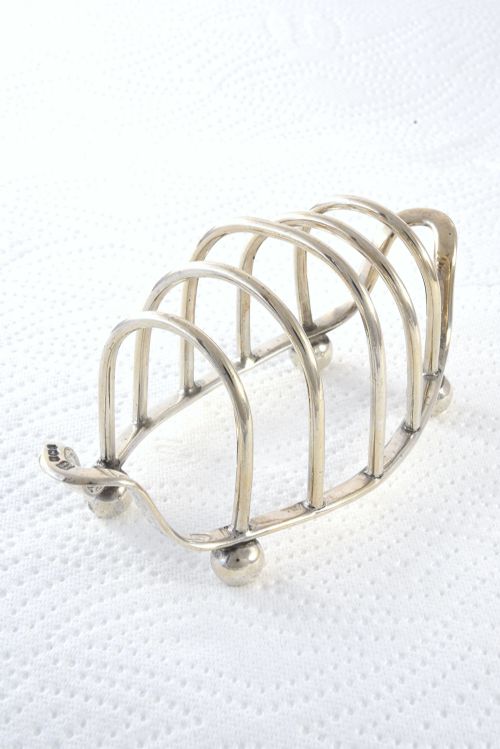
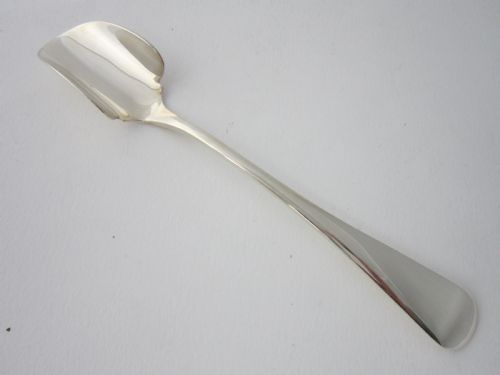
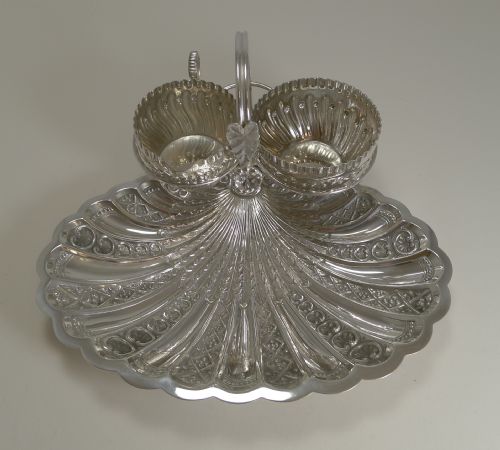
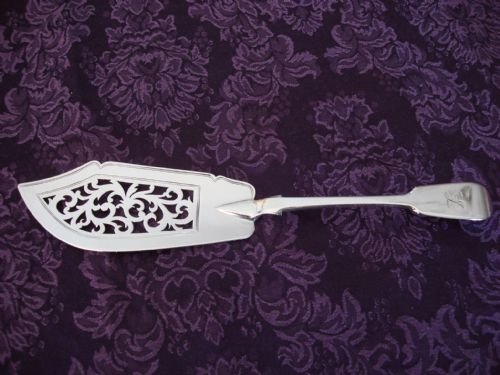
English silver servers encompass a varied range of functional serveware and utensils, from Georgian serving spoons and basting spoons to Victorian fish slices and Stilton scoops. Buyers exploring English silver servers encounter objects created for specific dining customs, including sauce boats, egg cruet sets, salvers, and specialised warmers.
The selections span multiple eras, with strong representation from the Georgian, Victorian, and Edwardian periods, alongside George V and later twentieth-century examples. Forms range from traditional sterling silver fiddle pattern spoons to silver plated novelty shoe spoon warmers and marine buoy warmers.
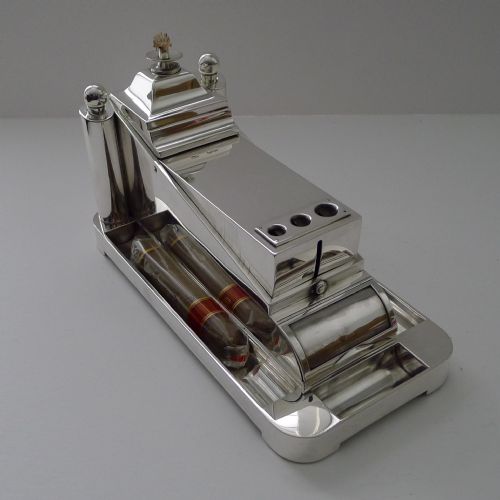
Objects include substantial tea services, revolving breakfast dishes, and asparagus serving dishes, reflecting both solid sterling construction and silver plate over base metal. These pieces highlight the evolution of British dining table arrangements across successive reigns and styles.
How they were made
Maker workshops utilised sterling silver and silver plate, often combining metal with ceramic, bone, and base metal components for utilitarian serveware. Silversmiths employed techniques such as piercing, casting, and ornate scrollwork to shape handles and bowls.
Plated items frequently relied on Old Sheffield plate or EPNS over base metal foundations, while solid silver pieces bore hallmarks indicating assay offices in cities like London, Sheffield, and Exeter. Novelty pieces demonstrated intricate construction, incorporating mechanical elements like wheels or revolving mechanisms.
English Silver Servers Retail Price Guide 2026
Typical asking prices for english silver servers among the pieces listed under this phrase on Sellingantiques today, from the lower quarter to the upper quarter. They describe what is for sale here now, not the wider market.
Materials include ceramic, bone, and base metal alongside solid silver.
What varies in quality
Quality rests upon the crispness of the chasing, the integrity of the hallmarks, and the weight of the metal used in the piece. Solid sterling items show deeper definition in decorative patterns compared to plated alternatives.
The survival of original surface details, such as crests or delicate piercing on fish slices, distinguishes finer examples. Maker attribution also plays a role, with documented workshops demonstrating superior finishing and balance.
Peter and Jonathan Bateman·Hester Bateman·S C Younge and Co·Mappin and Webb·Roberts and Belk·Birmingham Silversmiths Company·George Adams
The English Silver Servers Glossary
- Hallmark
- Official marks stamped on precious metals to guarantee fineness and origin. These symbols indicate the assay office, maker, and year of production.
- EPNS
- Electroplated Nickel Silver. A common base metal method utilised for silver plated serveware during the nineteenth and twentieth centuries.
- Fiddle Pattern
- A traditional nineteenth-century cutlery outline featuring a distinctive shoulders-and-stem profile. This shape remained popular across Georgian and Victorian dining services.
- Spoon Warmer
- A Victorian vessel designed to keep serving spoons warm on the sideboard. Examples often took whimsical forms such as marine buoys or shoes.
- Salver
- A flat plate or tray used for serving food or drinks. These pieces typically rest on small feet and feature engraved or cast decorative borders.
English Silver Servers: Frequently Asked Questions
How do I identify a Georgian server?
Georgian servers generally display hallmarks specific to the eighteenth or early nineteenth centuries, often accompanied by classic patterns like Old English or early fiddle designs. The weight and hand-finished details typically indicate this earlier period.
Assay marks from offices such as London, Sheffield, or Exeter provide precise dating clues when legible on the silver surface.
Were silver plated servers common?
Silver plated servers became widespread during the Victorian and Edwardian eras, utilising base metals or EPNS to offer affordable elegance. Manufacturers like Mappin and Webb produced elaborate plated dishes, revolving breakfast warmers, and tea services.
These items matched the aesthetic appeal of solid sterling while serving the growing demand for extensive dining table accessories.
How were spoon warmers used?
Spoon warmers were placed on Victorian sideboards to hold hot water, ensuring serving spoons stayed warm for dishes like gravy or soup. Guests or servants would retrieve the heated utensils during the meal.
They frequently took decorative or novelty shapes, such as shoes or marine buoys, combining practical utility with Victorian tabletop whimsy.