



English Silver Plated Caddy
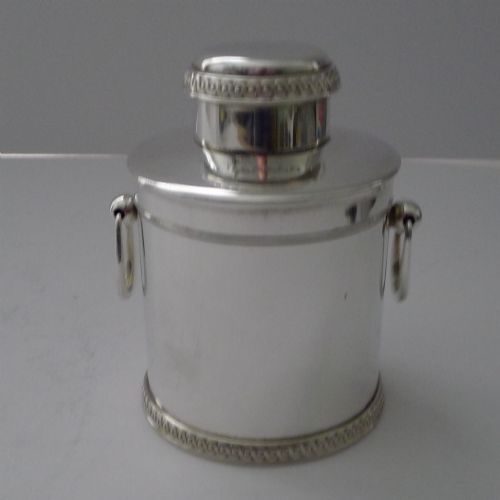
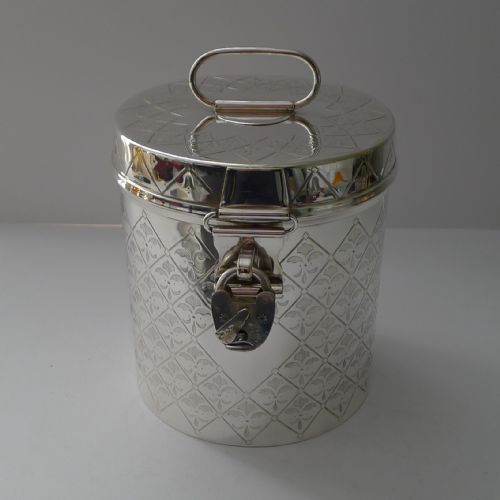
An English silver plated caddy is a robust Victorian table vessel built to hold biscuits, toast or preserves with notable shine.
English Silver Plated Caddy
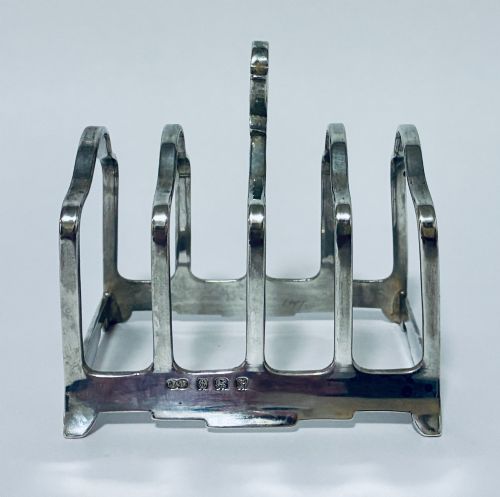
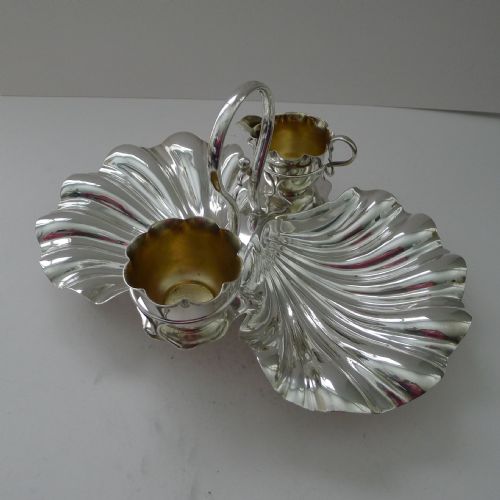
An English silver plated caddy encompasses Victorian table vessels including biscuit barrels, toast racks, cruet sets and strawberry dishes. These items brought metal shine and functional elegance to late nineteenth-century dining rooms, serving everyday domestic needs.
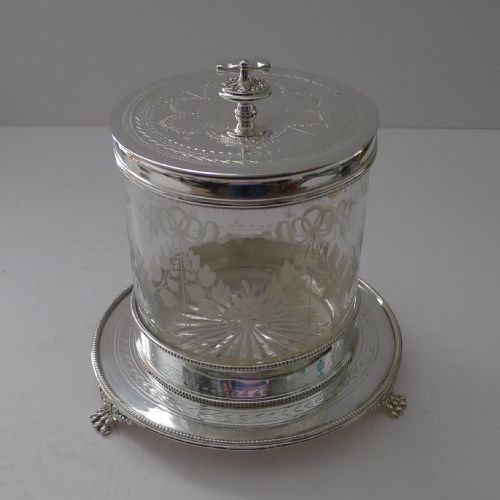
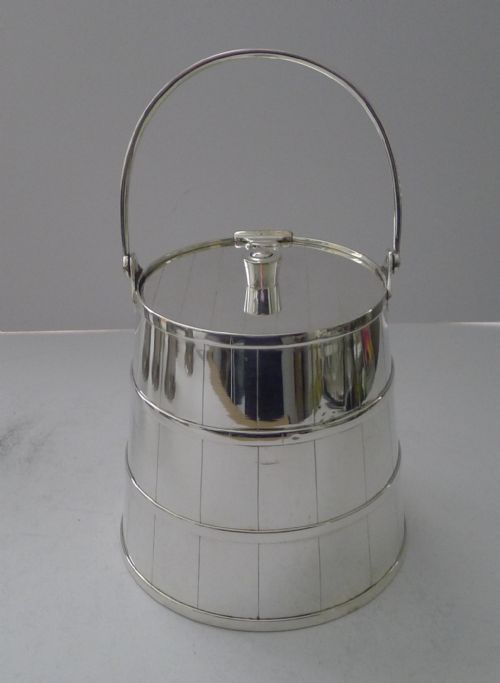
The versions most commonly met on this page date from the Victorian and Edwardian periods, manifesting in forms such as oak barrels, drum shapes and ceramic decanters in frames. They combine plated metal with cut glass, etched glass or oak to create durable dining accessories.
How they were made
Maker workshops utilised electroplated nickel silver and silver plate over base metals to achieve a bright, reflective finish without the cost of solid silver. This plating process applied a thin layer of silver onto a durable core.
Caddies often incorporated structural elements of solid oak alongside cut glass or etched glass bodies, sometimes supplemented by a gold wash on interior surfaces. Metal mounts, hinges and locking mechanisms required precise engineering by silversmiths.
English Silver Plated Caddy Retail Price Guide 2026
Typical asking prices for english silver plated caddy among the pieces listed under this phrase on Sellingantiques today, from the lower quarter to the upper quarter. They describe what is for sale here now, not the wider market.
One extraordinary biscuit box tipped the scales at twenty-eight pounds before holding a single crumb.
What varies in quality
Quality rests upon the thickness of the silver plating and the crispness of the chased or engraved ornamentation on the metal body. Superior examples maintain an even, bright surface where the underlying nickel or base metal remains completely hidden.
Construction integrity distinguishes better pieces, seen in the tight fit of oak staves, the clarity of cut glass, and the smooth operation of locking lids or novelty mechanisms. Maker attribution further elevates pieces produced by established silversmiths.
Mappin & Webb·Daniel Arter·John Grinsell & Sons
The English Silver Plated Caddy Glossary
- Electroplated Nickel Silver
- A base metal alloy of copper, nickel and zinc coated with a layer of pure silver through an electrolytic process. This technique became the standard method for producing durable domestic tableware from the mid-nineteenth century onward.
- Biscuit Barrel
- A covered container designed specifically for storing and serving dry biscuits or crackers at the dining table. They frequently take cylindrical or drum forms fashioned from oak with silver plated mounts.
- Cruet Set
- A matched assemblage of small glass bottles or jars held within a silver plated stand for condiments such as oil, vinegar, salt and mustard. These sets sat centrally on dining tables for easy guest access.
- Gold Wash
- A thin layer of gold applied to the interior surface of a silver plated vessel to prevent acidic foods or liquids from tarnishing the metal. It imparts a warm, yellow glow to the inside of bowls and dishes.
- Toast Rack
- A tabletop framework of vertical metal loops designed to hold slices of toast upright and prevent them from becoming soggy. Victorian makers occasionally produced novelty versions shaped like wagons or caravans.
English Silver Plated Caddy: Frequently Asked Questions
What is an English silver plated caddy used for?
These vessels served specific dining functions such as storing dry biscuits, holding hot toast, or presenting strawberries and condiments during Victorian meals. They sat on dining tables and sideboards for convenient access by household members and guests.
Over time, their roles shifted from active dining room service to decorative display pieces. Today, owners utilise them to hold small items or exhibit nineteenth-century metalwork craftsmanship.
How do I clean silver plate?
Silver plate requires gentle cleaning with a soft cloth and a specialised silver polish formulated for plated items. Harsh scrubbing must be avoided to prevent wearing through the thin silver layer to the base metal underneath.
Store pieces in dry environments away from direct sunlight and humidity to minimise tarnishing. Regular, light dusting helps preserve the reflective shine of the metal mounts.
How can I tell the period?
Dating relies upon stylistic cues, registry marks, and the specific material combinations typical of late nineteenth-century manufacturing. Victorian pieces often display heavier ornamentation, oak construction, or registered design numbers stamped into the metal.
Edwardian items from the early twentieth century tend toward lighter proportions while retaining traditional plating techniques. Comparing the form against dated exhibition pieces or maker catalogues helps confirm the era of production.
What materials are used?
Makers constructed these caddies using electroplated nickel silver or silver plate over base metals. They frequently combined these plated surfaces with natural oak, cut glass, and etched glass components.
Interiors sometimes featured a gold wash applied over the silver plate to protect against acidic wear. Each material contributed both structural durability and aesthetic contrast to the finished dining accessory.