






English Silver Knives
English silver knives are practical works of art spanning multiple centuries, offering elegance and functional craft to any collector.
English Silver Knives
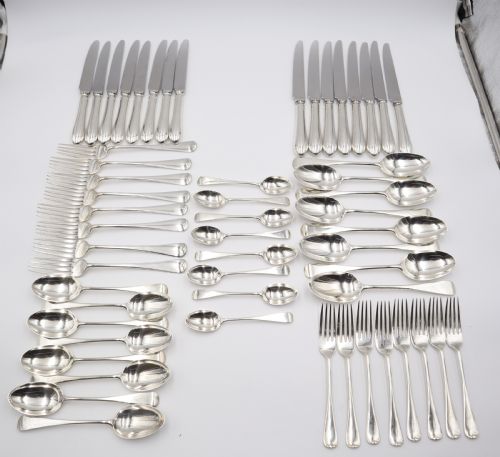
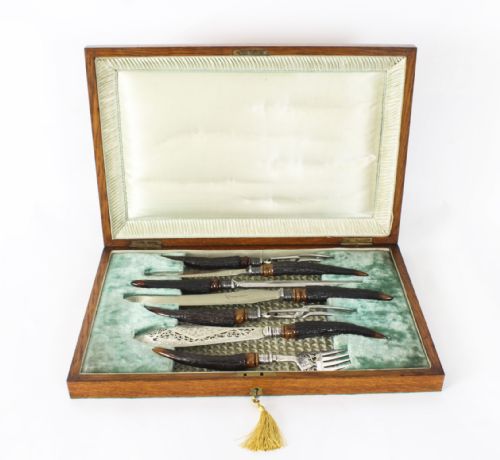
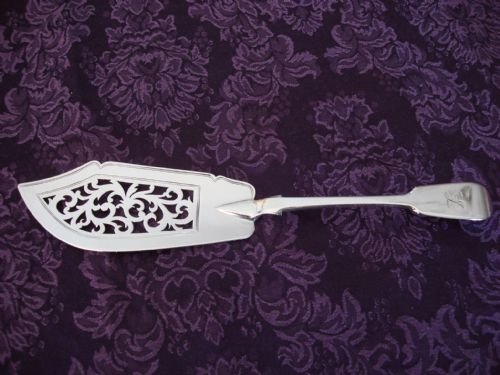
English silver knives encompass a diverse range of implements designed for cutting, serving, and desk use across various historic eras. When searching for english silver knives, you encounter items stretching from the Georgian period through the Victorian era and into the twentieth century. These pieces appear as part of cutlery sets, dessert services, cake knives, and specialised carving sets.
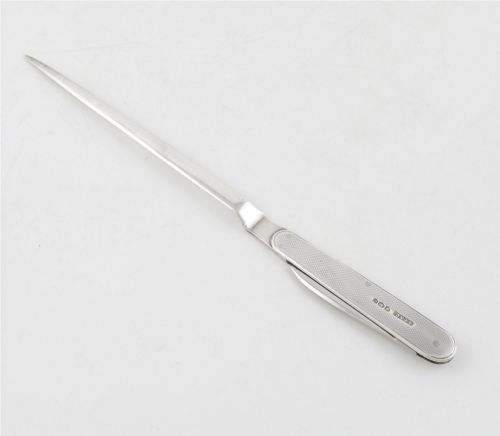
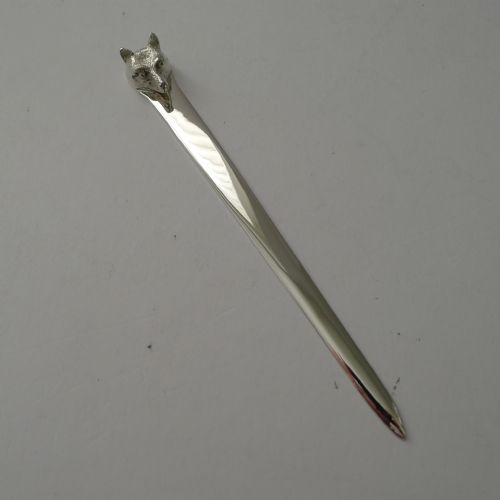
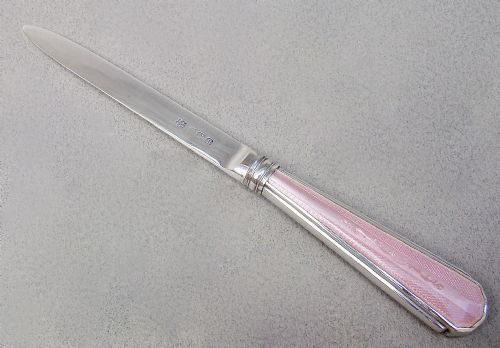
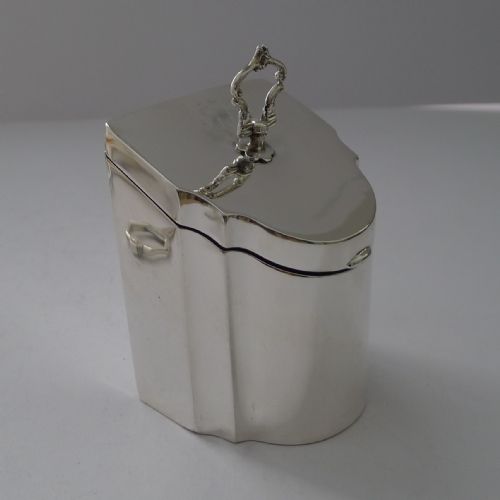
The selection on this page frequently includes novelty letter openers and desk knives shaped like animals, alongside fitted knife boxes and tea caddy forms. Victorian examples often feature patterned handles like the Queens pattern, while twentieth-century pieces incorporate Art Deco designs. Materials extend beyond silver to include steel blades, enamel, wood, and stag antler.
How they were made
Makers utilised sterling silver and silver plate for the handles and mounts, combining them with steel for functional cutting edges. Handles were shaped from solid silver, cast in specialised patterns, or constructed from organic materials such as stag antler and satinwood.
Surface decoration involved piercing, engraving, and the application of guilloche enamel to achieve colourful visual effects. Skilled craftspeople assembled fitted interiors in wood for knife boxes and integrated hallmarks to record the assay office and date.
English Silver Knives Retail Price Guide 2026
Typical asking prices for english silver knives among the pieces listed under this phrase on Sellingantiques today, from the lower quarter to the upper quarter. They describe what is for sale here now, not the wider market.
What varies in quality
Quality in english silver knives rests upon the crispness of the handle ornamentation, the integrity of the maker marks, and the preservation of original materials like enamel or antler. Superior examples display fine hand-engraving and balanced proportions between blade and handle.
Condition plays a significant role, particularly regarding the secure attachment of handles to blades and the clarity of hallmarks from Birmingham, Chester, or London. Pieces associated with notable makers or incorporating novelty animal motifs generally command greater appreciation.
Barker Brothers·Asprey·Sampson Mordan and Co·Adie Brothers·George Adams
The English Silver Knives Glossary
- Sterling silver
- A silver alloy containing 92.5 percent pure silver and 7.5 percent other metals, usually copper, ensuring durability for cutlery.
- Hallmark
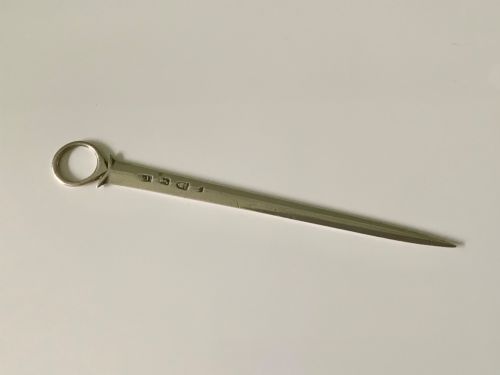
- A series of official marks stamped on precious metal items in Britain, indicating the maker, assay office, standard of purity, and date of testing.
- Guilloche enamel
- A decorative technique where a precise geometric pattern is engraved beneath a translucent enamel layer, often seen on Art Deco desk accessories.
- Queens pattern
- A traditional ornate decorative handle design featuring shell and scroll motifs, popular during the Victorian period.
- Carving set
- A matched pair or set comprising a large knife and fork used for serving roasted meats at the dining table.
English Silver Knives: Frequently Asked Questions
How do I date english silver knives?
Dating relies primarily on the stamped hallmarks, which include specific letters for the year of assay and symbols indicating the city of origin. Comparing the decorative style, such as Victorian floral motifs or Art Deco geometric enamel, provides additional context.
Maker marks also help narrow down the period of production when records of the silversmithing firm are consulted.
Can I use antique cutlery daily?
Many silver-handled knives and butter knives remain suitable for gentle daily use, provided they receive careful hand washing. Steel blades require prompt drying after cleaning to prevent corrosion.
Delicate items featuring enamel or hollow handles are better preserved for display or occasional special dining.
What is a silver tea caddy knife box?
A tea caddy knife box is a specialised wooden container, often made from satinwood or walnut, designed to house small serving knives alongside tea apparatus. These miniature furniture pieces reflect Georgian and Victorian interior elegance.
The fitted interiors safely stored precious utensils used during formal tea service.
Why do some letter openers resemble animals?
Victorian and Edwardian silversmiths frequently produced novelty items shaped as greyhounds, foxes, ducks, and golf clubs to appeal to collectors and sportsmen. These pieces combined humour with high-status craftsmanship.
Makers like Sampson Mordan and Asprey specialised in these imaginative desk accessories.