





English Silver Dishes
English silver dishes bring together centuries of metalwork, ranging from Georgian salt cellars to Edwardian trinket boxes and Arts and Crafts bowls.
English Silver Dishes
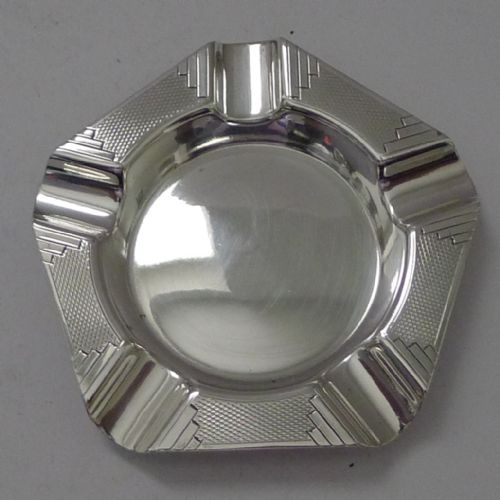
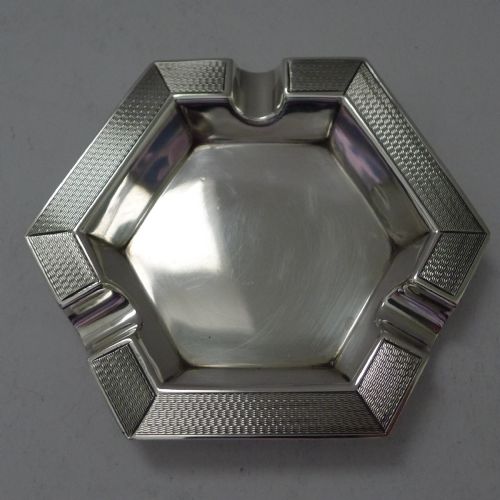
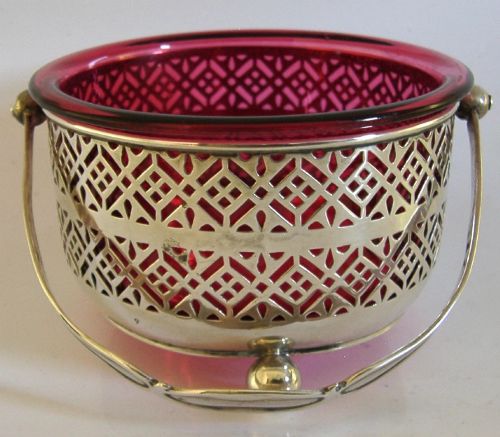
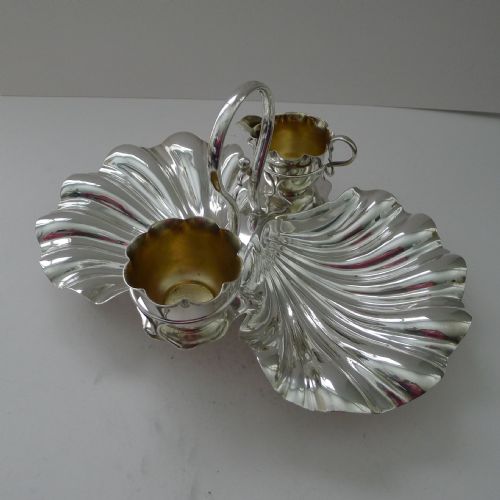
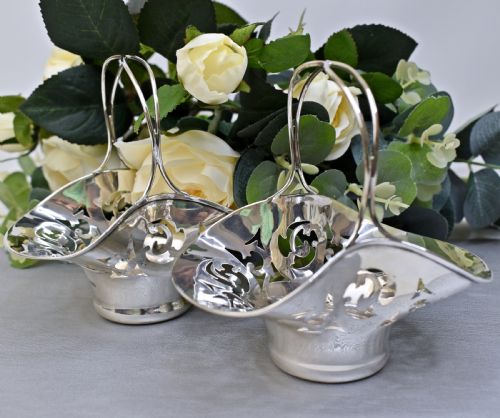
When you search for english silver dishes, you encounter a diverse selection of serving vessels, ashtrays, presentation bowls, and small boxes spanning the Georgian, Victorian, and Edwardian eras. The selection includes domestic items such as butter dishes, bon bon baskets, and condiment pots alongside larger chargers and tableware.
Pewter plates and chargers from the eighteenth century appear alongside sterling silver and silver plated pieces from later decades. Makers utilise various materials, pairing silver with tortoiseshell, glass, ceramic, and oak across different forms.
Materials and construction
The objects combine sterling silver, silver plate, and pewter with subsidiary materials like cut glass, tortoiseshell, and ceramic. Silversmiths formed vessels through casting, piercing, and hammering, while pewterers shaped chargers and plates in moulds.
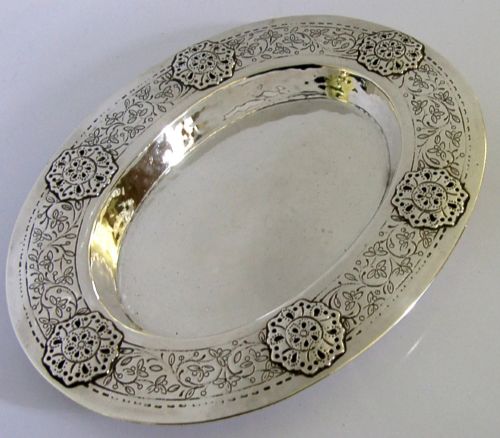
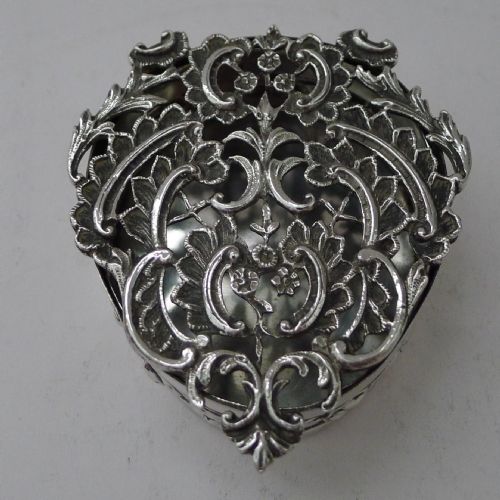
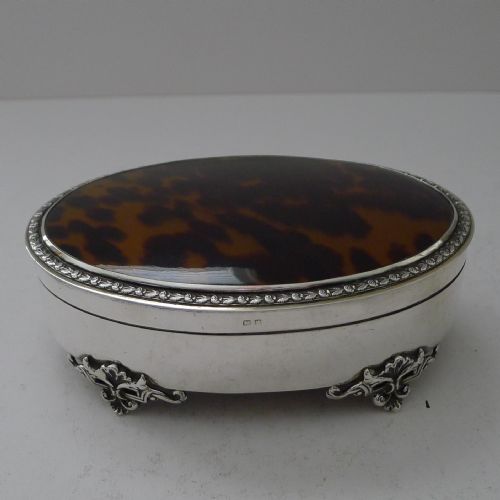
Makers integrated decorative elements such as naturalistic flower designs, applied crests, and swing handles into the metal structure. Fitted boxes combine wooden carcasses with silver mounts and tortoiseshell panels.
English Silver Dishes Retail Price Guide 2026
Typical asking prices for english silver dishes among the pieces listed under this phrase on Sellingantiques today, from the lower quarter to the upper quarter. They describe what is for sale here now, not the wider market.
Listings feature items spanning from the seventeenth century through the mid-twentieth century, incorporating materials like pewter, ceramic, and tortoiseshell.
Assessing the work
Quality rests in the weight of the metal, the crispness of chased or pierced decoration, and the integrity of maker marks. Pieces bearing the signatures of notable firms display superior control over proportion and surface finish.
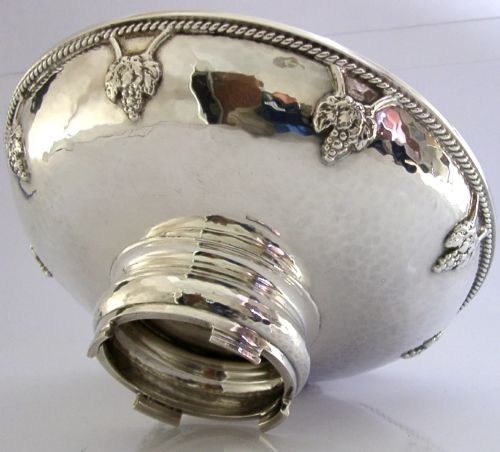
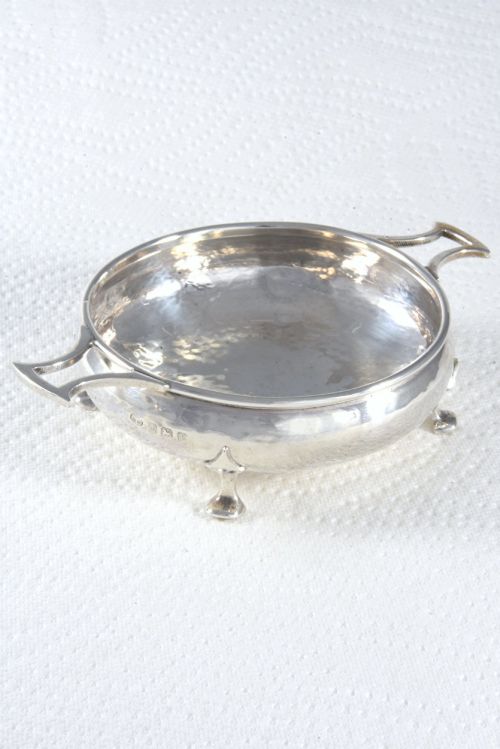
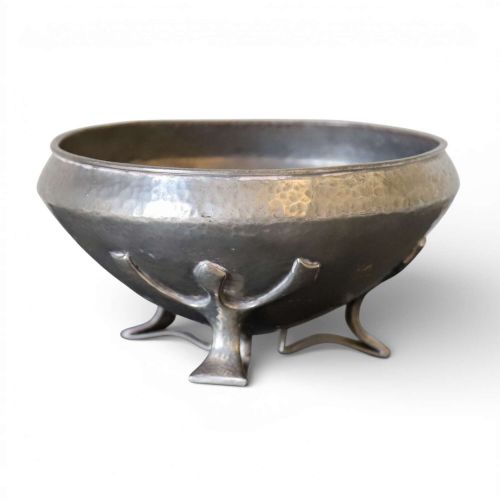
The relationship between the metal mount and secondary materials like tortoiseshell or glass indicates the standard of assembly. Hand-hammered surfaces from the Arts and Crafts movement show distinct individual tool marks rather than uniform machine stamping.
A E Jones·Walker & Hall·William Neale·Liberty & Co·Oliver Baker·Daniel Arter·William Comyns·James Spackman·Fenton Brothers·William Bateman·Thomas Templeman·Mappin and Webb·Roberts and Belk·Adie Brothers·Theo Fennell
The English Silver Dishes Glossary
- Sterling silver
- An alloy containing a high proportion of pure silver combined with other metals to ensure durability.
- Pewter
- A malleable metal alloy historically used for plates and chargers, composed primarily of tin.
- Charger
- A large ceremonial or decorative plate placed on a table.
- Porringer
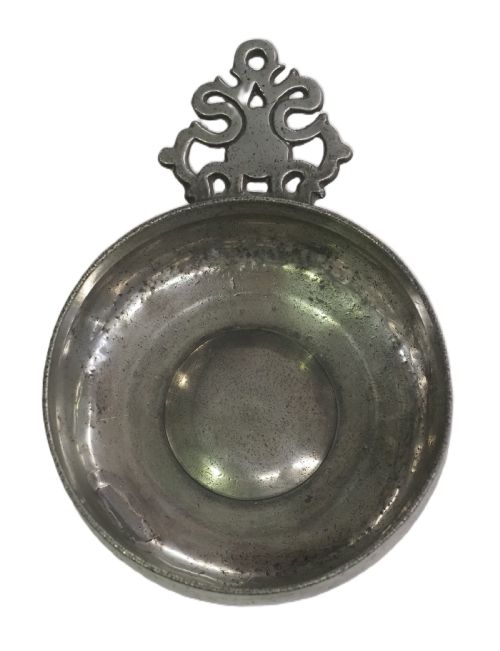
- A small, shallow vessel with one or two flat horizontal handles, used for liquids or soft foods.
- Tazza
- A shallow bowl raised on a stem and foot, utilised for serving fruit or small items.
English Silver Dishes: Frequently Asked Questions
What is an english silver dish?
An english silver dish encompasses a broad category of domestic tableware and decorative items fashioned from sterling silver, silver plate, or pewter.
These pieces range from eighteenth-century chargers to twentieth-century butter dishes, ashtrays, and trinket boxes.
How do I date an antique silver dish?
Dating relies heavily on hallmarks stamped into the metal, which record the assay office, the date letter, and the maker's mark.
Style, form, and secondary materials like tortoiseshell or cut glass also provide contextual clues regarding the period of manufacture.
How were pewter dishes used?
Pewter plates and chargers served as everyday or formal dining vessels in households before the widespread adoption of porcelain.
Larger chargers often functioned as display pieces or under-plates for serving joints of meat.