





English Silver Centrepiece
An english silver centrepiece anchors a formal dining table, combining gleaming metal with cut crystal to hold flowers, fruit or candles.
English Silver Centrepiece
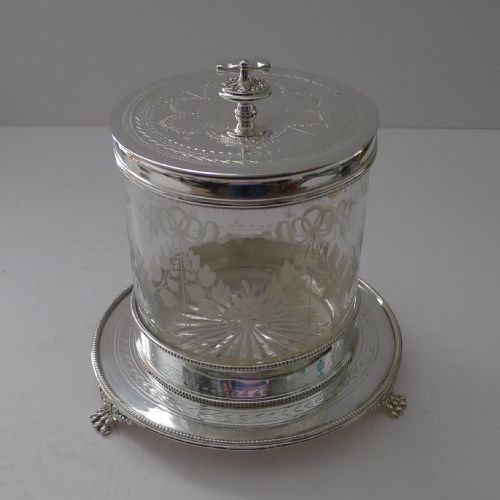
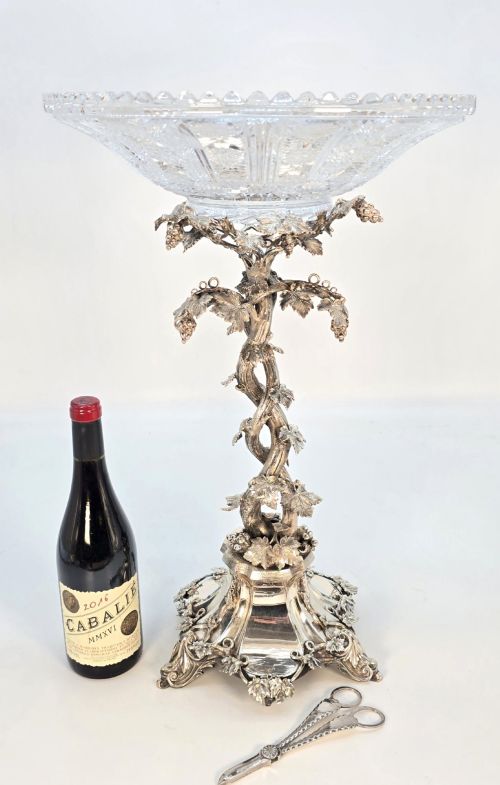
An english silver centrepiece takes various decorative forms designed to command attention in the middle of a dining table or sideboard. These items include large glass bowls mounted in silver plate, tall epergnes with branching arms, monteith bowls and multi-tiered presentation vessels.
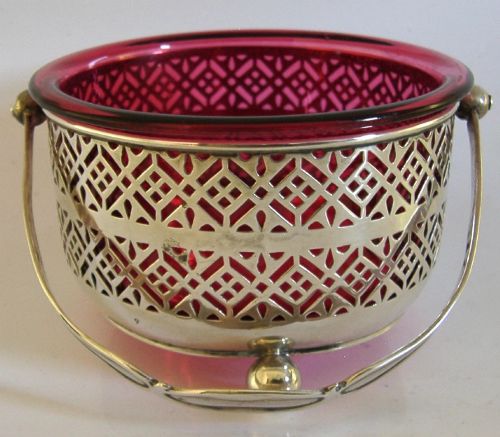
The versions most commonly met on this page span several eras from the Georgian period through the Victorian and Edwardian decades into the mid-twentieth century. Surviving examples often pair sterling silver or silver plate with heavy cut glass, cranberry glass or cut crystal.
How they were made
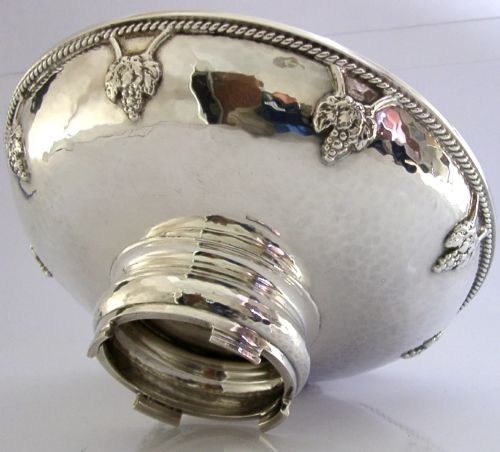
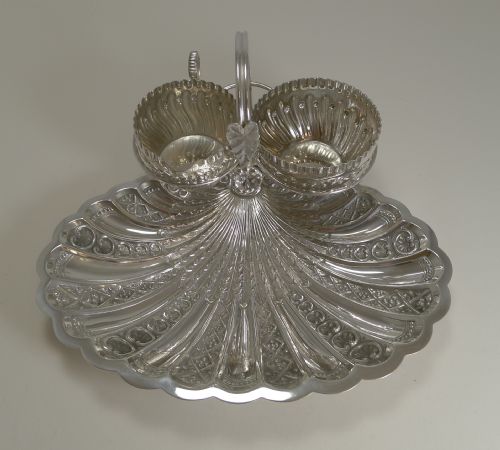
Silversmiths shaped sterling silver through hammering, casting and piercing, creating intricate rims and solid bodies bearing traditional hallmarked stamps. Silver-plated pieces utilised a thin layer of silver fused to a base metal, sometimes employing Old Sheffield Plate techniques or electroplating.
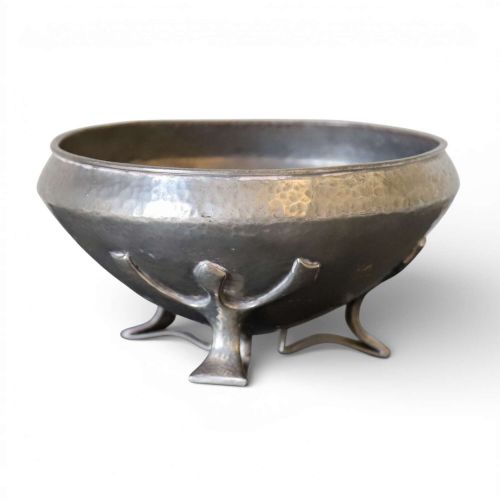
Glass components were mouth-blown and deeply wheel-cut with geometric or botanical motifs to catch the candlelight. Pewter items from the Arts and Crafts movement relied on hand-beaten surfaces and stylised plant motifs typical of independent workshops.
English Silver Centrepiece Retail Price Guide 2026
Typical asking prices for english silver centrepiece among the pieces listed under this phrase on Sellingantiques today, from the lower quarter to the upper quarter. They describe what is for sale here now, not the wider market.
Some Victorian designers hid tiny silver snails among the grape leaves of their centrepieces just to surprise the dinner guests.
What varies in quality
The quality of an english silver centrepiece depends on the crispness of the chased or pierced decoration and the weight of the metal used in its construction. Substantial gauge silver and heavy silver plate resist bending and maintain sharp detail across high-relief fruit vines or heraldic motifs.
The clarity and depth of cut in associated glass bowls also distinguish finer workshop output from standard production. Master glasscutters achieved sharp, clean facets that remain brilliant, whereas lesser items show softer edges and minor bubbles in the material.
A E Jones·Liberty and Co·Barker Ellis·Alexander Clarke and Co·James Dixon and Sons·Garrard and Co Ltd·Elkington and Company·Mappin and Webb·Roberts and Belk
The English Silver Centrepiece Glossary
- Centrepiece
- A large decorative vessel or stand placed in the middle of a dining table. These items traditionally held fruit, flowers or sweetmeats during formal meals.
- Silver Plate
- A metal object formed from a base metal coated with a layer of silver. This technique allowed makers to produce large dining accessories at a lower cost than solid sterling silver.
- Epergne
- An ornamental centrepiece featuring a central basket or bowl surrounded by smaller branching dishes or candle holders. They rose to immense popularity during the Victorian era for elaborate table displays.
- Monteith
- A large bowl characterised by a scalloped or notched removable rim. The rim originally served to hold wine glasses by their bases while the bowl chilled them in water.
English Silver Centrepiece: Frequently Asked Questions
What was a centrepiece used for?
These large vessels served as the visual anchor of a formal dining table during multi-course meals. Hosts filled them with fresh fruit, sweetmeats or floral arrangements to impress guests.
Over time, specific designs emerged to hold candles or multi-tiered dishes, adapting to shifting dining fashions throughout the Georgian and Victorian eras.
How do I clean silver plate?
Maintenance requires gentle washing with warm soapy water and a soft cloth to remove dust and oils. Avoid harsh abrasive dips that strip the thin silver layer from the base metal.
Regular light polishing with a dedicated silver cloth preserves the shine without wearing down the raised details of the chased or engraved patterns.
Are glass inserts original?
Many surviving metal frames retain their original cut glass or crystal bowls, which were custom-blown to fit the specific dimensions of the mount. Close inspection often reveals matching wear patterns on the base of the glass and the interior of the metal holder.
Replacements do occur because glass is fragile, though skilled collectors look for period-appropriate thickness and hand-cut facets that match the age of the silver stand.
How do I tell Victorian from Edwardian pieces?
Victorian examples tend to feature heavy, elaborate ornamentation with deep embossing, naturalistic grapevines and ornate neoclassical or rococo revival motifs. The scale is frequently grand and imposing.
Edwardian designs often display lighter proportions, drawing inspiration from earlier Georgian aesthetics or clean Arts and Crafts principles with simpler geometric forms.