



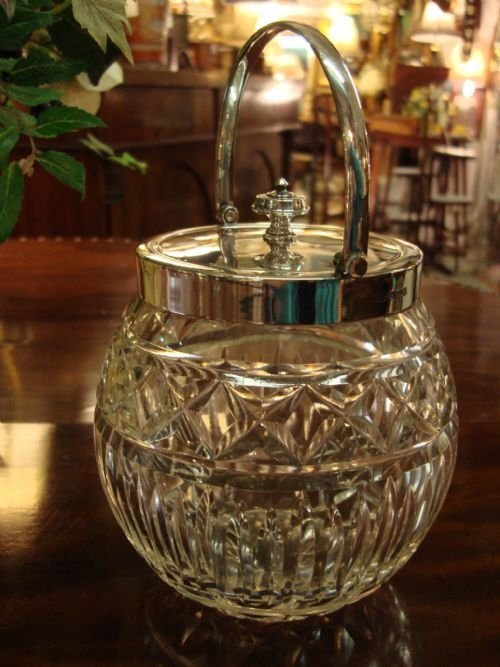


English Silver Barrel
An english silver barrel offers a tangible piece of domestic history, bringing solid construction and period charm straight to the table.
English Silver Barrel
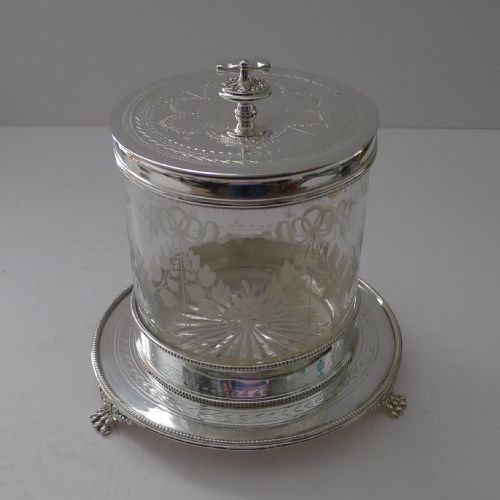
When you search for an english silver barrel, you encounter a specialised form of domestic container predominantly designed for biscuits or spirits. These objects span the Victorian, Edwardian and George V periods, reflecting the shifting tastes of dining and hospitality across more than a century.
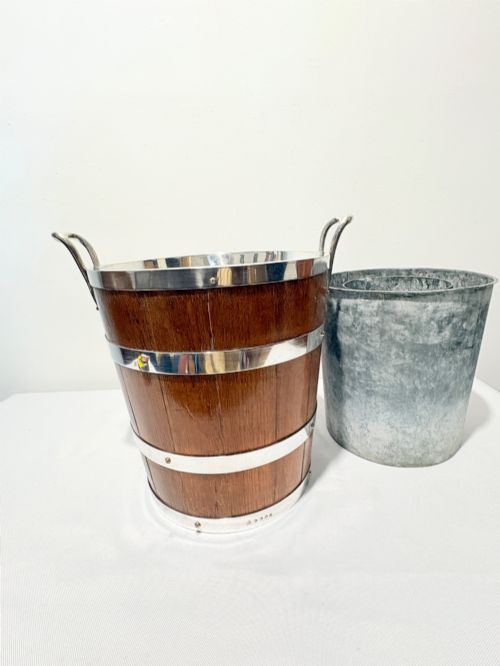
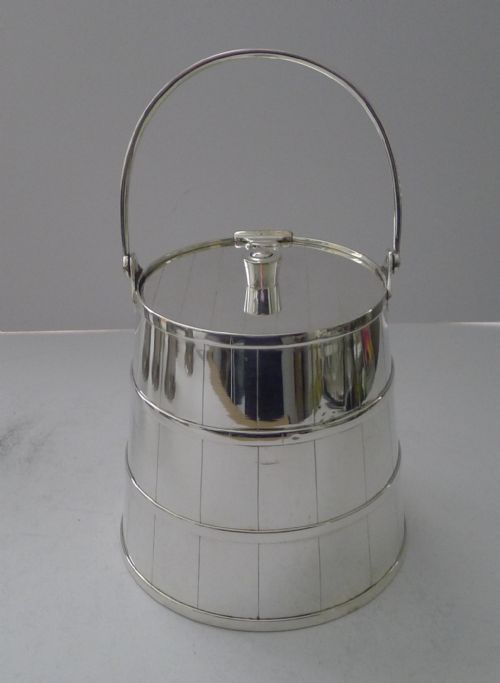
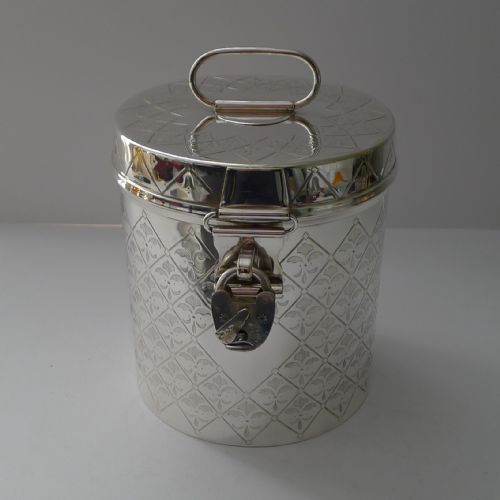
The most common versions on this page take the form of biscuit boxes, drum-form barrels and spirit barrels mounted on frames. Makers utilised materials such as oak, cut glass, ceramic and Wedgwood Jasper Ware, combined with silver plate or sterling silver mounts to create functional pieces for the parlour or dining room.
Beyond the standard dining accessories, the broader selection includes novelty items and even firearm components sharing barrel construction. Buyers find everything from utilitarian oak and silver-plated containers to elaborate cut glass pieces bearing hallmarks from established silversmiths.
Materials and construction techniques
The construction of an english silver barrel relies on the pairing of robust structural bodies with reflective metal elements. Craftsmen turned sturdy timbers like oak and walnut, shaped heavy cut glass or moulded ceramic bodies to form the core of each vessel.
Silversmiths then applied sterling silver or silver plate through mounts, bands, hinges and locking mechanisms. Internal linings of metal or ceramic kept contents secure, while exterior engraving, embossing and applied cartouches added decorative finish to the functional form.
English Silver Barrel Retail Price Guide 2026
Typical asking prices for english silver barrel among the pieces listed under this phrase on Sellingantiques today, from the lower quarter to the upper quarter. They describe what is for sale here now, not the wider market.
Listings feature biscuit barrels spanning the Victorian, Edwardian, and George V eras, incorporating oak, cut glass, ceramic, and silver plate.
Assessing quality and craftsmanship
Quality in an english silver barrel rests on the weight of the materials and the precision of the mechanics. Substantial gauge silver, thick cut glass and dense hardwoods demonstrate a higher standard of production than lighter, hollowed alternatives.
The integrity of the mechanism sets apart the finest examples, such as smoothly operating locking lids, well-fitted hinges and intact internal linings. Signed work from notable firms commands attention through superior chasing, crisp hallmarks and balanced proportions.
Mappin and Webb·John Grinsell and Sons·Fenton Brothers·James Dixon and Sons
The English Silver Barrel Glossary
- Biscuit box
- A covered container designed specifically to keep dry biscuits fresh in the formal dining room or drawing room. These vessels frequently adopt barrel or drum shapes.
- Silver plate
- A layer of silver fused or electroplated onto a base metal core such as copper or nickel silver. This technique allowed makers to produce substantial items at a lower cost than solid sterling silver.
- Sterling silver
- A silver alloy containing 92.5 percent pure silver and 7.5 percent other metals, usually copper. British pieces made from this standard bear official assay office hallmarks.
- Jasper ware
- A type of fine stoneware developed by Josiah Wedgwood, characterised by a matte finish and contrasting applied white reliefs. It appears frequently on Victorian ceramic biscuit barrels.
- Cartouche
- An ornamental frame or panel, often left blank for an engraved monogram or crest. These elements are commonly found on the exterior mounts of barrels and boxes.
English Silver Barrel: Frequently Asked Questions
What were english silver barrel containers used for?
These vessels were primarily created to store and present dry biscuits, crackers or spirits during formal entertaining in Victorian and Edwardian homes.
They sat upon sideboards and dining tables, offering hosts a secure and visually appealing way to serve guests while keeping contents protected from humidity.
How do I identify the period of a barrel?
Dating relies on a combination of applied styles, manufacturing techniques, and official silver hallmarks stamped directly onto the metal mounts.
Victorian and Edwardian examples often feature registration numbers or maker marks that narrow down the decade of production alongside distinct aesthetic trends.
Are silver plated barrels less desirable than solid silver?
Silver plate was extremely common for large domestic containers because solid sterling silver would make a large barrel prohibitively heavy and expensive.
Many of the most ornate novelty designs and heavy oak-mounted pieces were produced exclusively in silver plate by prominent silversmiths of the era.
How should I clean a silver plated biscuit barrel?
Care requires gentle wiping with a soft, lint-free cloth and specialised silver cleaning products designed to preserve plated surfaces without abrasive scrubbing.
Harsh chemical dips should be avoided to protect wooden components, ceramic bodies and interior linings from accidental damage.