

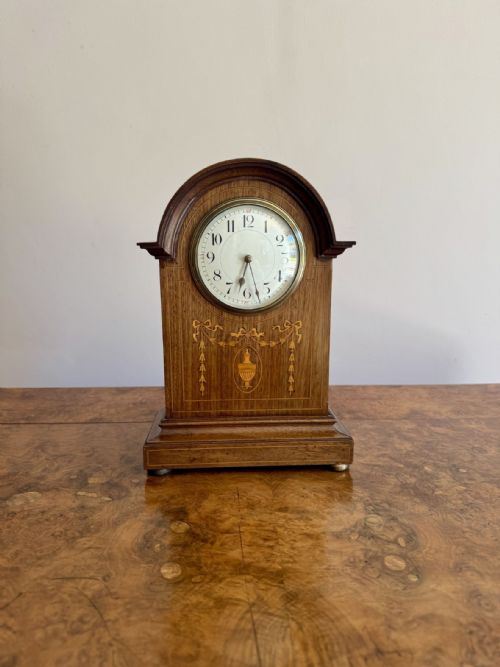


English Shelf Clock
An English shelf clock sits quietly on a mantelpiece or side table, bringing a steady mechanical rhythm and period character to a room.
English Shelf Clock
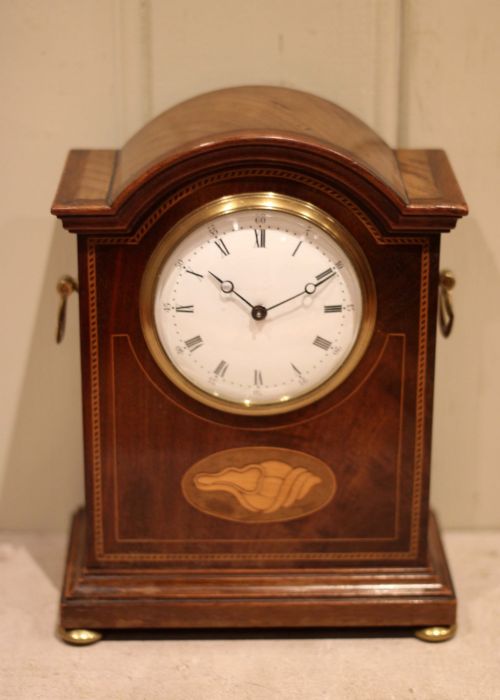
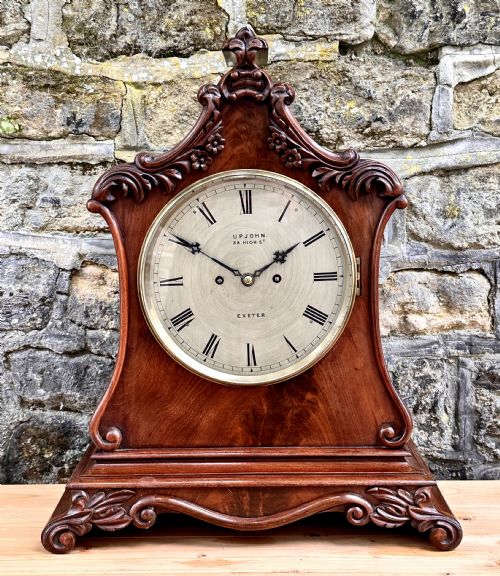
An English shelf clock encompasses compact timepieces designed for domestic interiors, predominantly taking the form of mantel, bracket and table clocks. You are most likely to encounter mahogany and walnut cases spanning the Regency, Victorian and Art Deco periods.
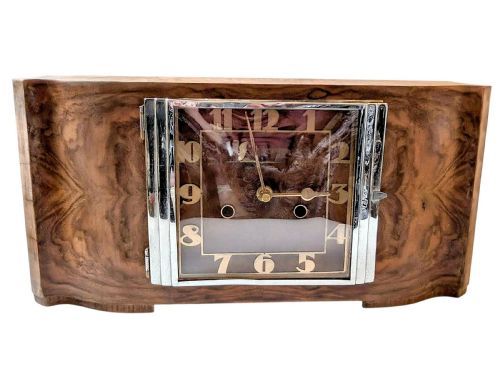
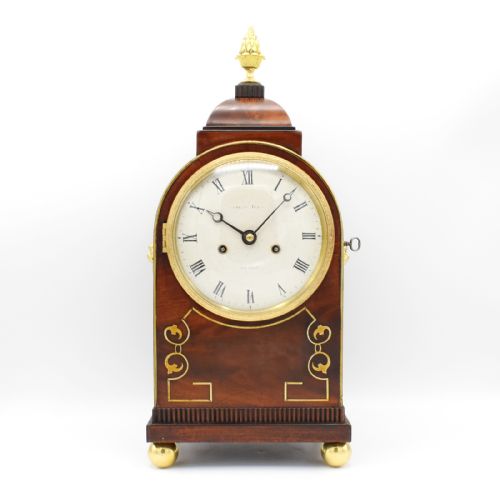
The selection ranges from traditional bracket clocks with fusee movements to geometric wooden designs from nineteen thirty. These pieces serve both a practical timekeeping function and a decorative role in home furnishing.
Originating largely from London and provincial makers, these clocks reflect shifting interior tastes across the nineteenth and twentieth centuries. Formats vary from architectural wooden boxes to figural gilt bronze mounts and compact library timepieces.
Materials and Construction
Dials combined painted enamel with brass bezels and protective glass covers, housing intricate mechanical gearing driven by chains or springs. Decorative variants incorporated gilt bronze figures and plaster wall mounts to complement the wooden housings.
English Shelf Clock Retail Price Guide 2026
Typical asking prices for english shelf clock among the pieces listed under this phrase on Sellingantiques today, from the lower quarter to the upper quarter. They describe what is for sale here now, not the wider market.
Some cherubs linger near clock faces solely to supervise the passing hours.
Distinctions in Quality
The distinction between standard domestic pieces and superior examples rests on the refinement of the cabinetwork and the reputation of the horologist. Finely figured wood veneers, delicate inlay work and signed movements by known makers elevate a piece.
Proportion and case integrity dictate visual appeal, with well-preserved dials and crisp decorative casting marking the upper tier of production. The harmony between the original movement and its housing remains central to the standing of any clock.
Charles Pratt London·John Bull of Bedford·Connell of London·Piggin Norwich·Barrett London·J Kingerley Manchester·Smiths England·Funnell of Brighton·McCabe London·Desbois Wheeler·DeLa Salle And Christie·Bently Beck London
The English Shelf Clock Glossary
- Fusee
- A conical pulley used in spring-driven clocks to equalise the torque of the mainspring as it unwinds. This mechanism helps the clock maintain a consistent rate throughout its running period.
- Bracket clock
- A portable table clock originally designed to sit on a wall bracket to aid projection of sound and visibility. Later examples retained the name while resting directly on mantelpieces or shelves.
- Timepiece
- A clock that indicates the time without possessing a striking mechanism to chime the hours. These simpler movements focus purely on the visual display of passing minutes and hours.
- Ebonised wood
- Timber treated with a finish to imitate the dark, dense appearance of ebony. Cabinetmakers employed this technique to create strong contrast with gilt mounts or brass dials.
- Enamel dial
- A metal face coated with fused powdered glass to create a smooth, durable white background for painted numerals. These dials provide clear legibility and a characteristic glossy finish.
English Shelf Clock: Frequently Asked Questions
What is a fusee movement?
A fusee is a conical drum inside the clock that ensures even power delivery from the mainspring as it winds down. This mechanical device is a hallmark of better quality British horology.
Clocks featuring this system maintain more reliable timekeeping across their running cycle compared to standard spring-driven alternatives.
Where should I place a shelf clock?
These clocks find their natural home on mantelpieces, bookshelves or sturdy side tables where their mechanical movement can rest level. Proper placement ensures the pendulum or balance wheel operates without obstruction.
Avoid locations subject to direct sunlight or dramatic temperature fluctuations to protect the wooden veneers and delicate internal oils.
How do I identify the period?
Period identification relies on a combination of case style, wood selection and dial characteristics. Regency examples often feature classic architectural forms with brass inlay, while Victorian pieces lean toward heavier proportions and carved details.
Art Deco designs from nineteen thirty introduce geometric shapes, two-tone woods and chrome accents that break from traditional nineteenth-century aesthetics.
Did all shelf clocks strike the hour?
Not all shelf clocks include a striking train. Simpler models known as timepieces display the hours and minutes without chiming mechanism.
Striking models require a secondary gear train and often a separate spring or weight to sound the passage of time through a bell or gong.