



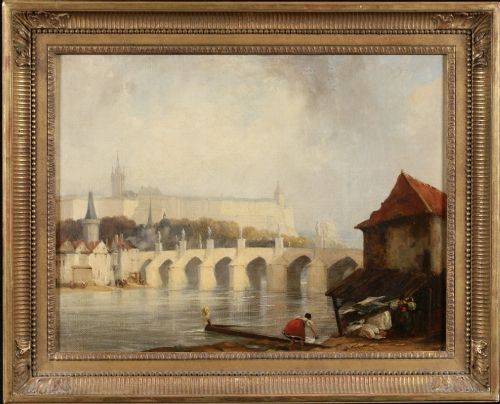
English River Scene
An English river scene captures the rural and urban waterways of the countryside on canvas or paper, offering buyers a picturesque glimpse into historic British landscapes.
English River Scene
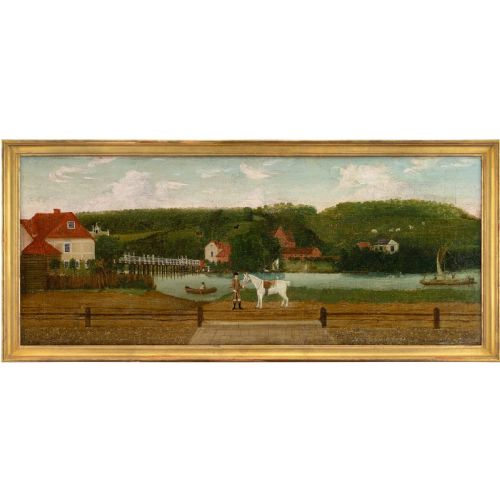
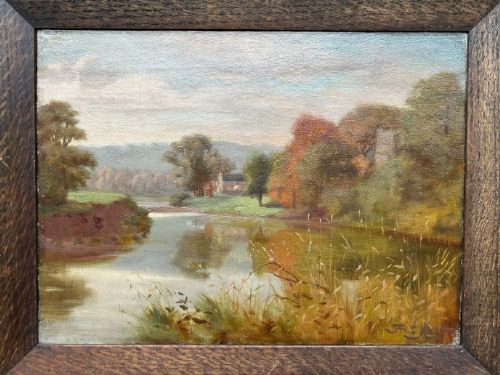
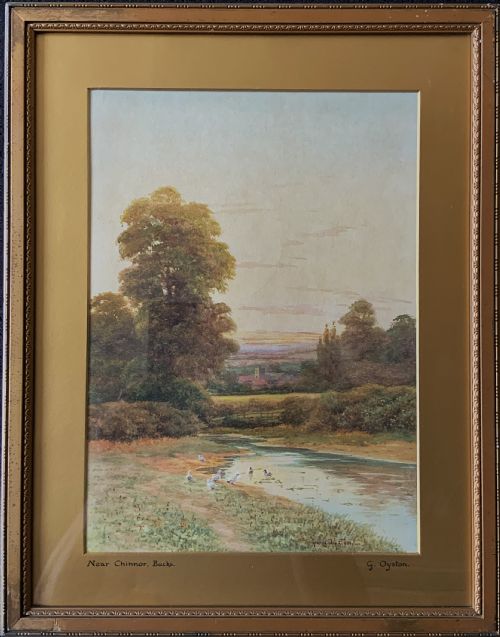
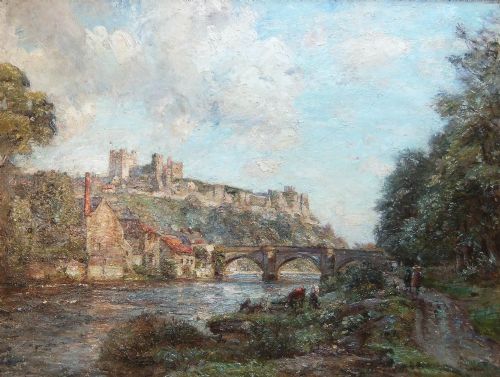
When searching for an English river scene, collectors encounter framed artworks that portray the nation's waterways, from the Thames and the Severn to quiet rural streams. These pieces primarily take the form of oil paintings on canvas or panel, alongside detailed watercolour paintings and drawings on paper.
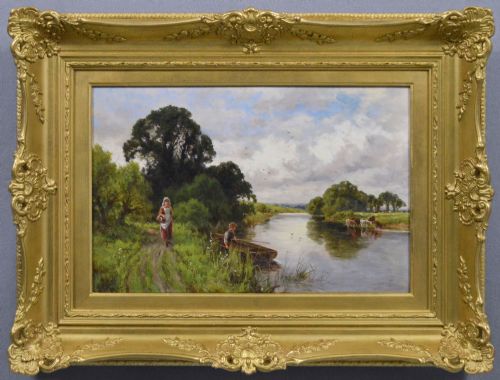
The selection ranges from early nineteenth-century topographical views and Victorian pastoral works to later British Impressionist interpretations. Buyers frequently meet depictions of bridges, locks, fishermen, and pastoral riverbanks spanning the Georgian, Victorian, and Edwardian eras.
How They Were Made
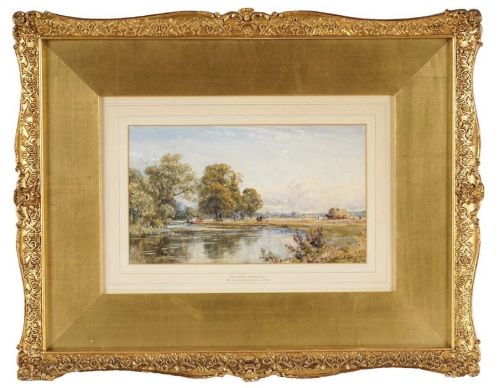
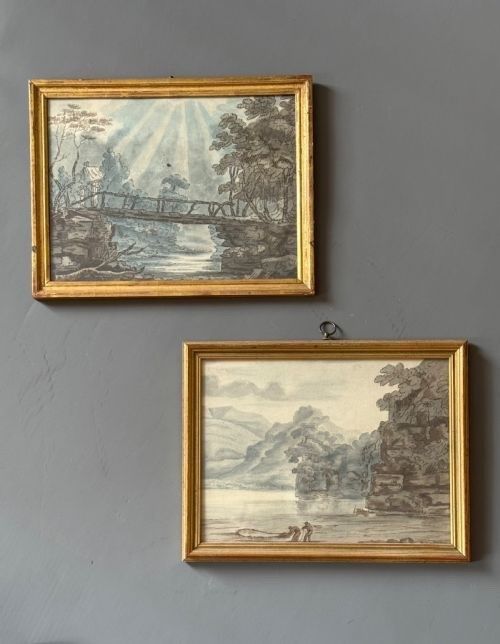
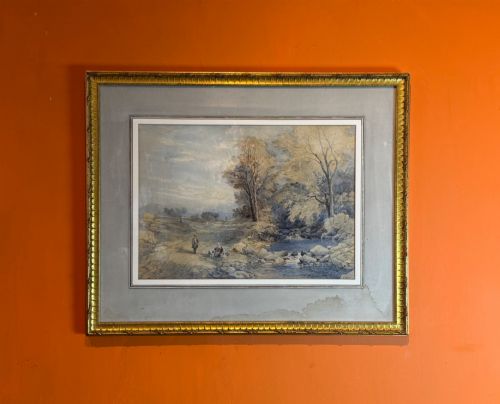
Artists typically applied oil paint to stretched canvas, wooden panels, or board, building up rich textures to render water, foliage, and atmospheric skies. Alternatively, watercolour painters worked on paper, often beginning with ink or pencil lines before layering translucent washes of pigment.
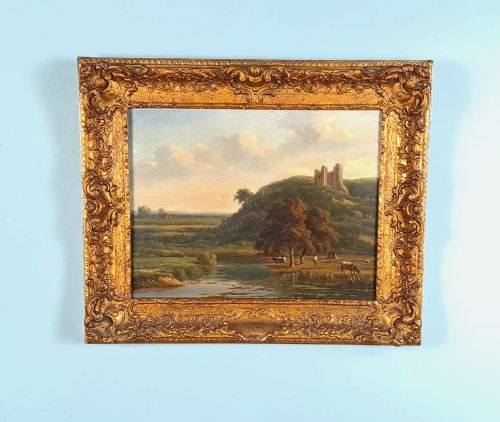
Many of these works are housed in traditional wooden frames, occasionally featuring giltwood ornamentation that reflects the aesthetic preferences of their period of origin.
Several artists clearly painted with damp boots, recording rainy Thames banks while ducks judged their technique.
What Varies in Quality
The distinction between standard works and the finest pieces lies in the artist's handling of light, atmospheric perspective, and natural detail within the river landscape. Superior examples demonstrate a confident mastery of brushwork or watercolour wash, capturing the specific quality of British light and weather rather than relying on generic formulas.
Provenance and documentation also separate works, as securely attributed paintings by known exhibited artists command greater interest than unsigned or anonymous school pieces.
George Graham·Alfred Young Nutt·Frederick Marriott·Robert Thorne Waite·George Oyston·Herbert Royle·Robert Hamilton·J. & R. Clews·Florence Adelina Hess·T C Hofland·Henry H Parker·David Cox·Sydney Yates Johnson·Hubert Wellington·Thomas Baker of Leamington·Henry John Kinnaird·J. Phipps·David Cox Jnr.·Robert John Hammond·J Laporte·Colin H Greenwood·Robert Winchester Fraser·Benjamin Williams Leader·Frederick Waters Watts·John Wright Oakes
The English River Scene Glossary
- Watercolour
- A painting method in which the paints are made of pigments suspended in a water-based solution. These works are typically executed on paper and valued for their translucent quality.
- Giltwood
- Wood that has been covered with a thin layer of gold leaf or gold paint. This material is frequently found on the traditional frames enclosing period paintings.
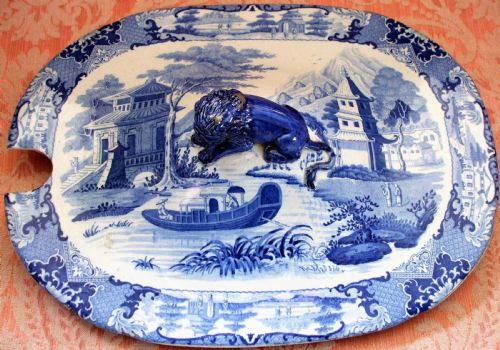
- Transferware
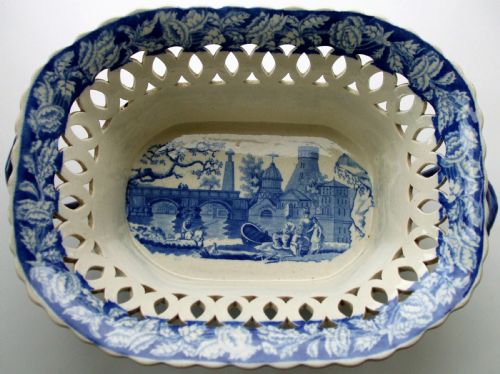
- A ceramic printing technique where a design is engraved on a copper plate, printed on tissue, and transferred onto pottery before glazing. This method appears on blue and white earthenware pieces depicting river subjects.
- Panel
- A flat piece of wood used as a rigid support for painting in oil. Artists often utilised panels before stretched canvas became universally dominant.
- Pastoral
- A style of art that depicts rural life and landscapes in a romanticised or idyllic manner. These scenes often feature figures, livestock, and peaceful waterways.
English River Scene: Frequently Asked Questions
What periods do these river scenes cover?
The available artworks span from the eighteenth century through the Victorian and Edwardian eras up to the mid twentieth century. They reflect changing artistic movements including British Impressionism and Victorian Naturalism.
Buyers will find that earlier works often focus on topographical precision, while later pieces lean towards looser brushwork and atmospheric colour harmonies.
Are these artworks signed by the artists?
Many of the pieces feature visible artist signatures, monograms, or contemporary inscriptions on the front or reverse. Attributions are also drawn from period exhibition records and stylistic analysis.
Unsigned works are occasionally attributed to specific British schools or followers of known nineteenth-century painters based on technique and subject matter.
How should I display a vintage oil painting?
Oil paintings on canvas or panel benefit from stable indoor environments away from direct sunlight and damp conditions. Proper hanging ensures the wooden stretcher or panel remains unwarped over time.
Keeping the original giltwood or wooden frame intact helps preserve the historical context and visual balance of the artwork.
What is the difference between watercolours and oils here?
Watercolour paintings use pigment on paper and require glass protection within their frames to prevent moisture damage. Oil paintings utilise thick pigments on canvas or board and remain open to the air.
Oils generally offer heavier surface textures and deeper colour saturation, whereas watercolours present a lighter, more translucent interpretation of the landscape.