

English Revival Chairs
English revival chairs unite historical reverence with comfortable seating, offering a tangible connection to earlier centuries through robust craftsmanship and varied revival styles.
English Revival Chairs
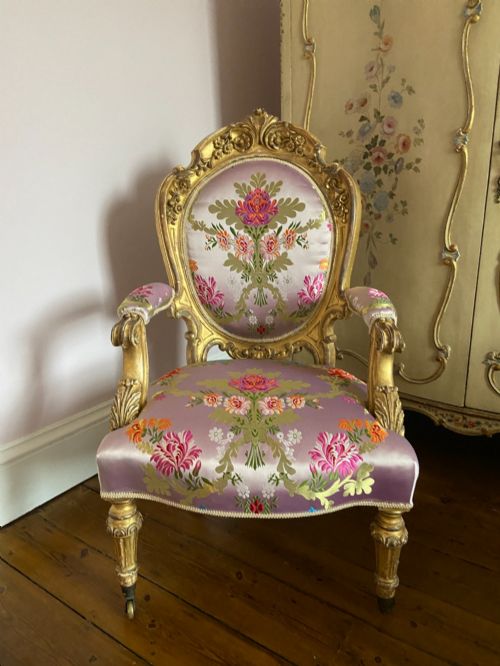
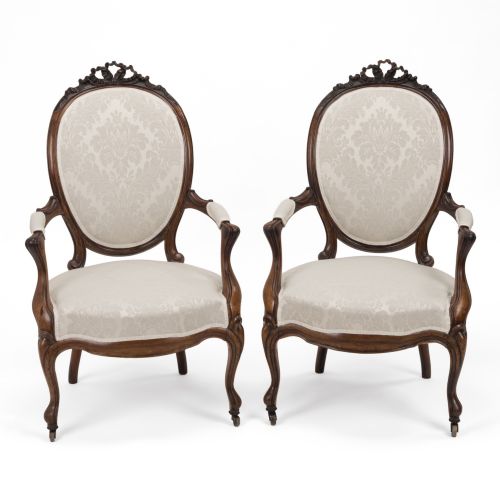
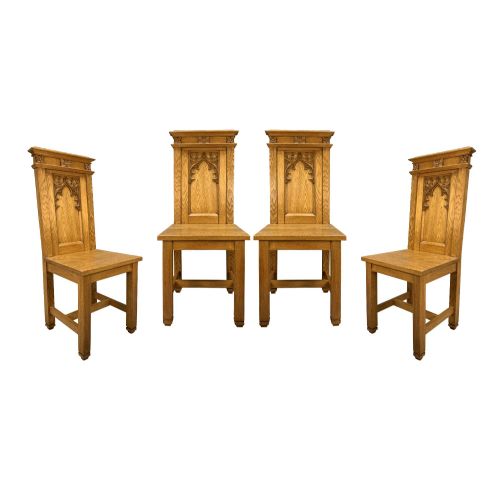
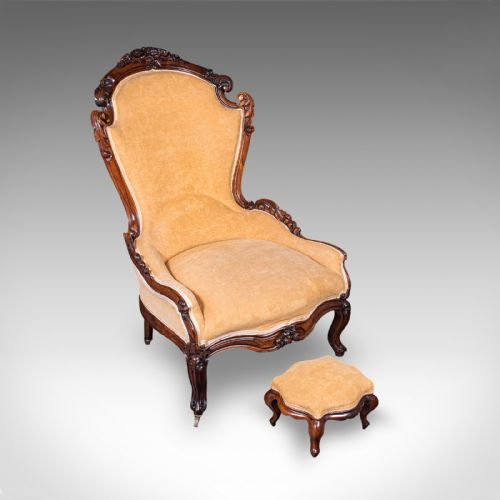
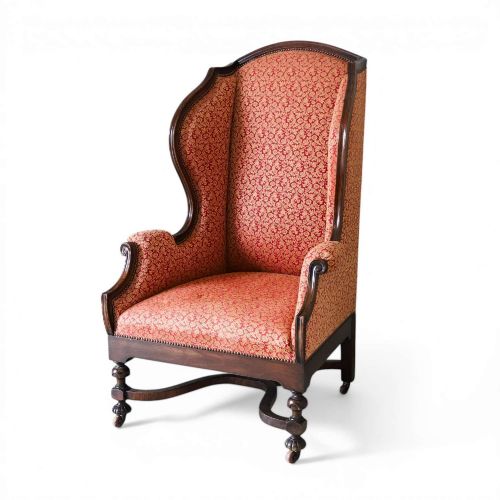
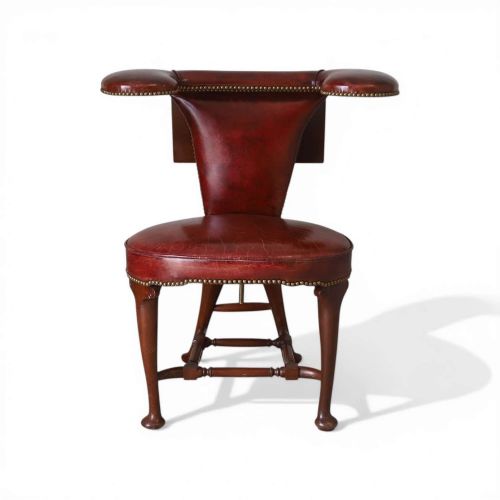
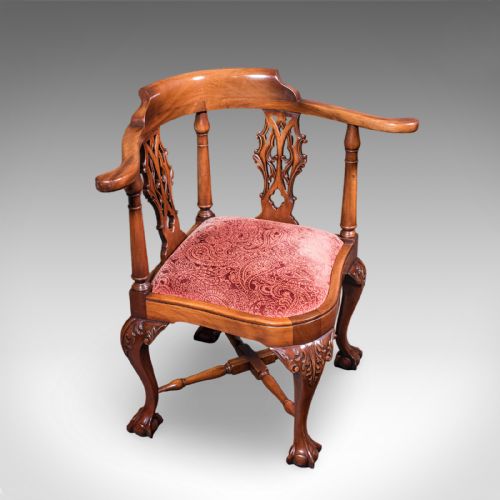
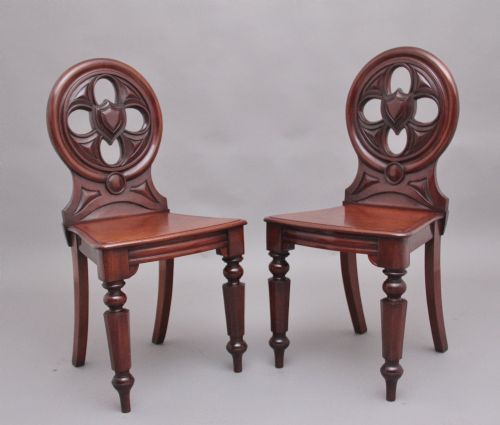
When you search for english revival chairs, you encounter a diverse range of seating produced across the Victorian era into the early twentieth century. These pieces reinterpret historical aesthetics, spanning Gothic, Jacobean, Chippendale, and Georgian designs.
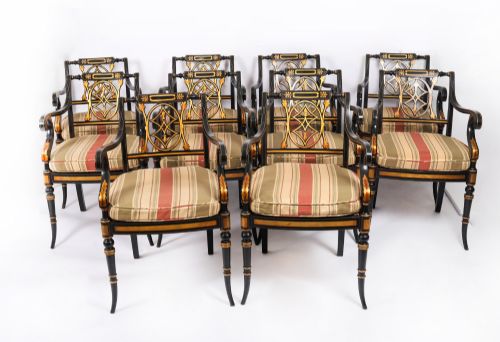
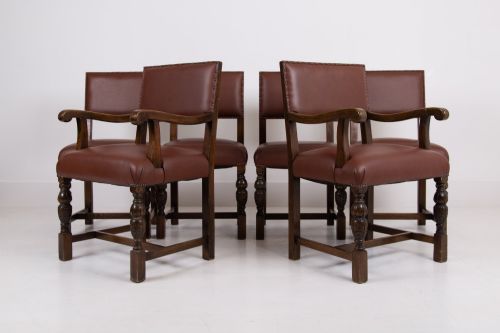
Dining chairs, hall chairs, and reading chairs form the core of what appears on this page, alongside armchairs, thrones, and salon seats. Oak and mahogany dominate the timber choices, while leather, velvet, and fabric provide the upholstered surfaces.
How they were made
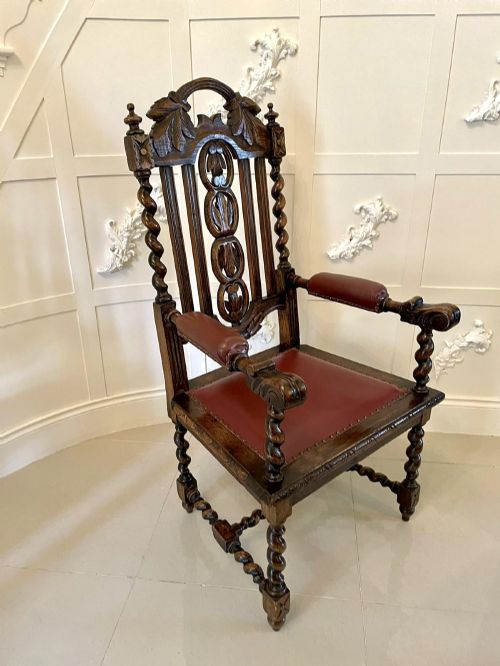
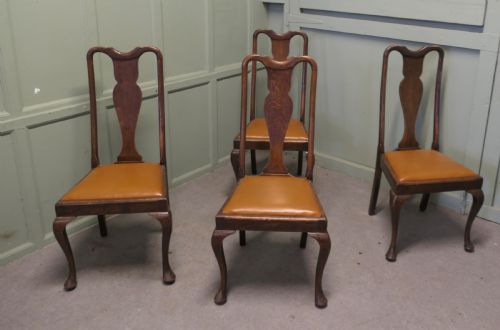
Craftsmen utilised solid timbers such as oak, mahogany, walnut, and beech to construct the frames, often employing traditional joinery methods. Carved ornamentation, barley twist turnings, and pierced splats reflect the historical idioms makers sought to replicate.
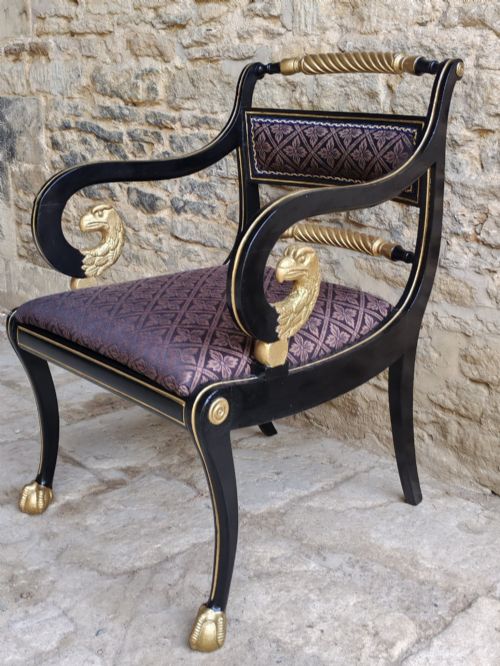
Upholstery techniques varied from simple drop-in pads to complex sprung seats covered in leather, velvet, or printed fabrics. Brass details and painted or gilt wood finishes further augmented the decorative impact of specific armchairs and hall seats.
English Revival Chairs Retail Price Guide 2026
Typical asking prices for english revival chairs among the pieces listed under this phrase on Sellingantiques today, from the lower quarter to the upper quarter. They describe what is for sale here now, not the wider market.
Listings feature revival chairs spanning the Victorian era through the 1930s, constructed predominantly in oak, mahogany, and walnut.
What varies in quality
The standard of carving and the weight of the timber dictate the upper tier of these pieces. Deeply relief-carved oak and carefully figured mahogany distinguish finer armchairs from simpler production models.
Structural integrity and the fidelity of the historical interpretation separate standard examples from superior ones. Original upholstery materials and well-preserved surface patination elevate the standing of a chair within its specific stylistic category.
The English Revival Chairs Glossary
- Gothic Revival
- A design movement drawing inspiration from medieval architecture, characterised by pointed arches, tracery, and heavy oak construction. This style frequently appears on nineteenth-century hall chairs and ecclesiastical seats.
- Splats
- The vertical central strip of wood in a chair back, often pierced or carved. Chippendale revival dining chairs make prominent use of this element.
- Barley Twist
- A turned wooden furniture leg or stretcher resembling a twisted rope. It is commonly found on mid-Victorian oak armchairs.
- Glastonbury Chair
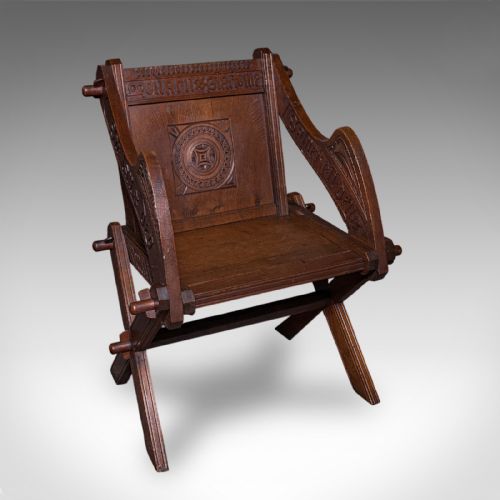
- A specific type of folding wooden armchair with an X-frame base and sloping arms, often associated with Gothic revival designs in oak.
- Wing Armchair
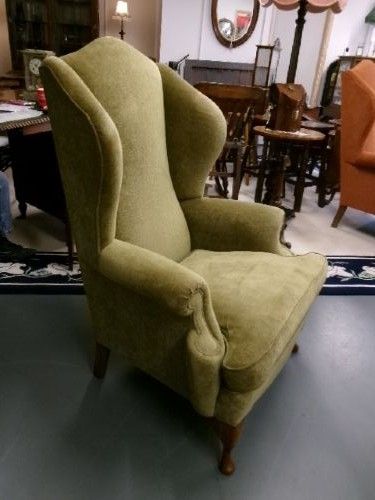
- An upholstered chair featuring side panels designed to shield the occupant from drafts. These appear in Georgian and Carolean revival styles.
English Revival Chairs: Frequently Asked Questions
How do I identify a revival chair?
Examine the wood, construction methods, and stylistic cues to determine the era of manufacture. Revival pieces combine historical motifs from periods like the Gothic or Georgian epochs with nineteenth or twentieth-century woodworking techniques.
Look closely at tool marks, joinery wear, and the condition of the timber to distinguish a nineteenth-century interpretation from an original period piece.
Where should I place a hall chair?
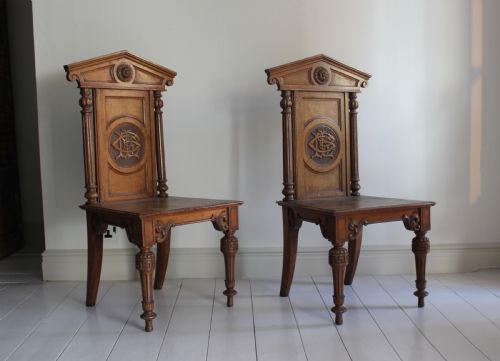
Hall chairs serve well in narrow corridors, entryways, or as decorative accent seating in living spaces. Their solid wood construction and upright posture make them suitable for occasional use.
Position them against a bare wall where their carved backs and timber grain remain fully visible.
Are these chairs comfortable for daily use?
Upholstered armchairs and reading chairs offer deep seating and padded support suited for long periods of reading or relaxation. Dining chairs provide an upright, supportive posture intended for table use.
Wooden hall chairs prioritise structural presence over cushioning, making them better for short-term seating.
What is a Turner's chair?
A Turner's chair is a three-legged armchair constructed entirely from turned wooden spindles and members. It references sixteenth-century Saxon designs re-created in Victorian oak and beech.
The triangular seat and complex spindlework create a distinct geometric silhouette.