
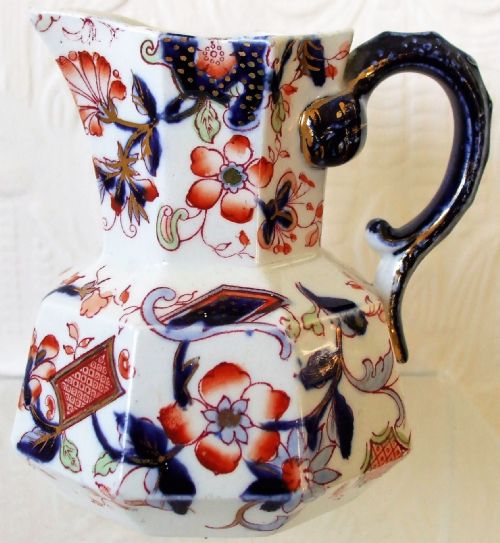


English Porcelain Decorative Jug
An English porcelain decorative jug brings refined ceramic artistry and classic domestic utility together, offering a tangible piece of heritage for display.
English Porcelain Decorative Jug
When you search for an english porcelain decorative jug, you encounter a refined category of ceramic vessels designed primarily for display rather than heavy daily service. These pieces span from the nineteenth century through the early twentieth century, encompassing Victorian and Edwardian periods.
The forms you are most likely to meet on this page include elaborate ewers, pitchers, and cleft jugs. Many of these showcase classical revival shapes or ornate handles that elevate them above standard tableware.
Makers from Staffordshire and other prominent English centres produced these decorative ceramics using traditional porcelain bodies. Collectors prize them for their surviving hand-painted details and historical resonance.
How they were made
Potters shaped these vessels using fine porcelain clay bodies, which were then fired to achieve a dense and durable ceramic base. Artisans applied smooth glazes to seal the surface before adding intricate painted designs.
Decoration relied heavily on ceramic enamel pigments and applied gilding, including gold leaf and gold gilt accents. Skilled painters executed detailed floral panels and naturalistic scenes directly onto the glazed porcelain surface.
Stinton fruit painting proved so popular that artists immortalised delicate peaches and berries on porcelain long after real harvests ended.
What varies in quality
The standard of painting heavily dictates the hierarchy of these jugs, distinguishing masterwork botanical or figural scenes from routine factory output. Hand-painted details executed by named artists carry significantly greater artistic weight than standard transfer-printed motifs.
The precision and richness of the gilding also separate exceptional examples from simpler wares. Thickly applied gold leaf and burnished gilt highlights reflect a higher tier of Victorian and Edwardian craftsmanship.
Royal Worcester·Keeling and Co·Rockingham Porcelain·Coalport
The English Porcelain Decorative Jug Glossary
- Ewer
- A large decorative jug with a wide spout and an ornate handle, historically used for pouring water but valued here as an ornamental centrepiece. These vessels often feature classical revival silhouettes.
- Gilding
- The application of gold leaf, gold gilt, or metallic powder to the surface of the porcelain. This technique highlights rims, handles, and painted motifs with a brilliant metallic sheen.
- Ceramic enamel
- Opaque coloured glass fused to the porcelain body during firing to create permanent, vivid artwork. Artisans utilise these enamels for intricate floral panels and detailed scenes.
- Cleft jug
- A pitcher featuring an indented or pinched rim shape that alters the circular profile of the opening. This specific form was popular among late nineteenth-century makers.
- Glaze
- A glassy coating applied to the fired porcelain body to give the vessel a smooth, impermeable finish. It protects the underlying ceramic and enhances the brilliance of any painted decoration.
English Porcelain Decorative Jug: Frequently Asked Questions
How do I care for antique porcelain jugs?
Keep these delicate ceramic pieces away from direct sunlight and areas prone to sudden temperature shifts to protect the glaze and enamel work. Dust them gently with a soft, dry cloth rather than using harsh cleaning agents.
Avoid submerging pieces with extensive gilding in water, as moisture can degrade historical metallic finishes over time. Careful handling preserves the painted panels for future generations.
How can I identify a Victorian piece?
Victorian examples often display ornate Rococo Revival styling, featuring heavily curved handles, elaborate mouldings, and rich floral or gilt decoration. The materials typically reflect the booming industrial and artistic output of nineteenth-century English potteries.
Examining the base for historical factory marks or registration c. numbers helps narrow down the production era. Stylistic cues like cleft rims and classical ewer shapes also point directly to this period.
Were these jugs used daily?
Despite their functional shapes, many fine porcelain vessels functioned primarily as mantelpiece ornaments or cabinet display items. The presence of delicate gilding and intricate hand-painted fruit scenes suggests they were too precious for rough everyday service.
Some pieces certainly saw service at grand dining tables for water or cream, but their survival in fine condition points to careful domestic preservation.