

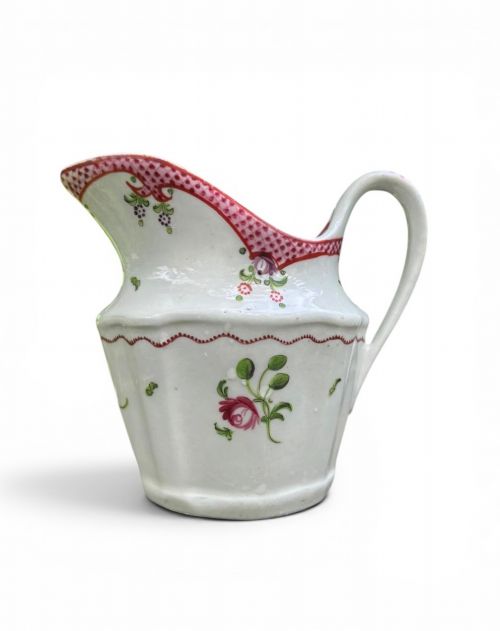


English Porcelain Cream Jug
An english porcelain cream jug brings centuries of ceramic artistry to the table, offering both historical charm and practical elegance for daily use.
English Porcelain Cream Jug
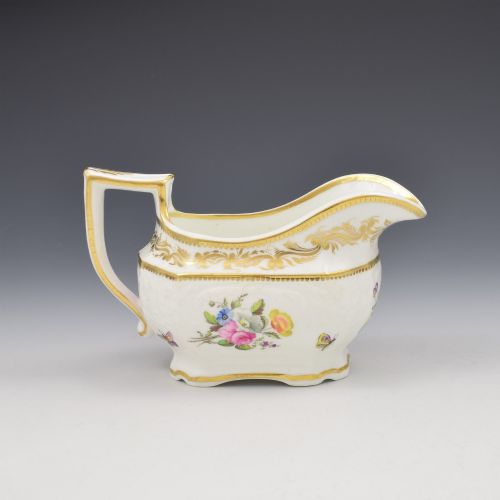
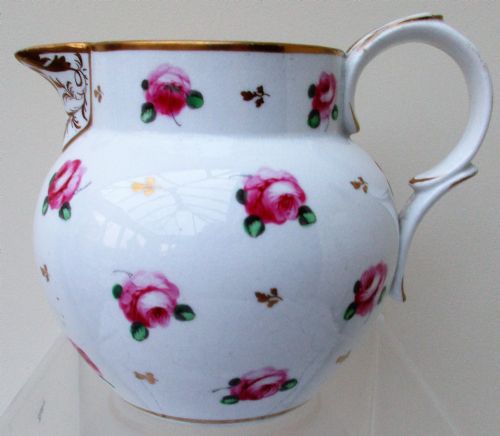
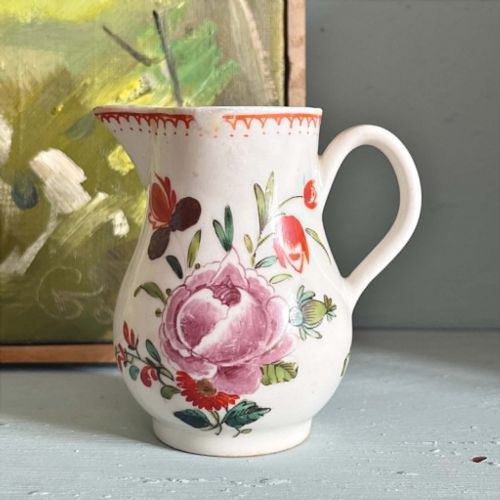
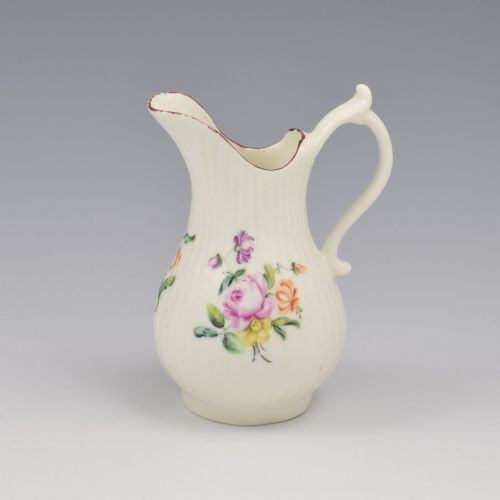
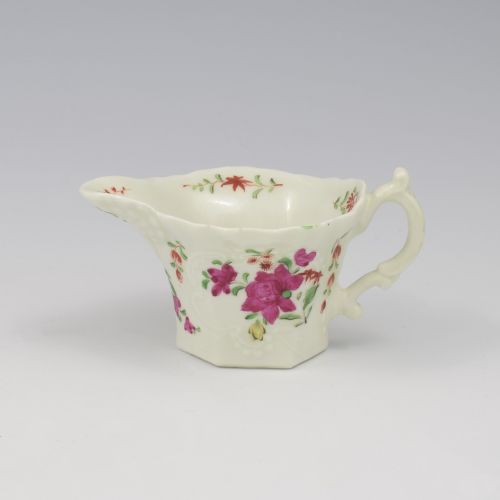
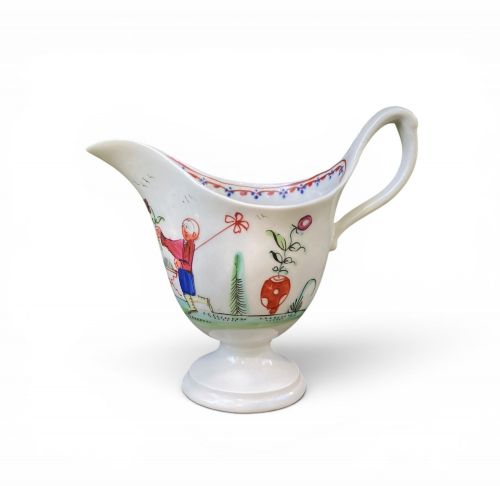
When you search for an english porcelain cream jug, you encounter forms ranging from eighteenth century sparrowbeak creamers to nineteenth century milk jugs and ewers. These pieces served to pour cream or milk at tea tables, evolving in shape from simple fluted balusters to elaborate moulded vessels.
The selections span distinct historical periods, notably the eighteenth century, Georgian era, Regency, and Victorian times. Makers utilised various styles such as neoclassical designs, traditional British motifs, and hand decorated floral or fruit patterns.
You frequently meet utilitarian milk jugs alongside decorative cream boats and sauce boats. The forms reflect shifts in domestic dining habits across successive generations of porcelain production.
Materials and manufacture
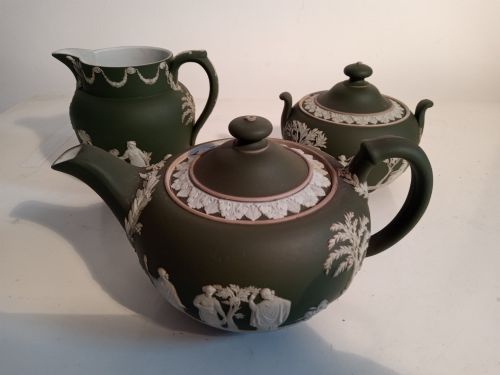
Potters constructed these items using porcelain, soft paste porcelain, and jasperware, often enriching the ceramic body with enamel, gold leaf, and gilding. The creation process combined throwing or moulding the clay with careful hand painting and glazing.
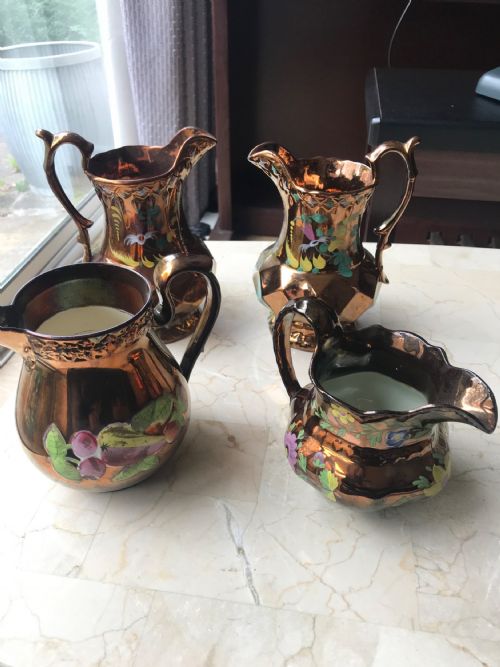
Decoration techniques involved polychrome flower enamels, copper lustre, and intricate hand painted fruit scenes applied by skilled artists. Firing methods varied according to the factory recipes of eighteenth and nineteenth century potteries.
English Porcelain Cream Jug Retail Price Guide 2026
Typical asking prices for english porcelain cream jug among the pieces listed under this phrase on Sellingantiques today, from the lower quarter to the upper quarter. They describe what is for sale here now, not the wider market.
Early porcelain makers occasionally turned marine creatures into tea ware, crafting cream jugs with sculpted dolphin tails for handles.
Assessing quality and craftsmanship
The standard of a piece rests on the precision of its moulding, the crispness of any fluting or handle application, and the fineness of the porcelain body. Early soft paste pieces demonstrate unique translucency and subtle surface variations inherent to early firing techniques.
Artistic execution dictates the upper tier of examples, where detailed hand painting of fruit, birds, or botanical subjects elevates the ceramic object. Superior items display harmonious enamel retention, crisp gilding, and balanced proportions across ewers, sparrowsbeaks, and cream boats.
Derby·Bow·Worcester·Wedgwood·New Hall·H & R Daniel·Royal Worcester·John Rose Coalport·Herculaneum·Crown Derby
The English Porcelain Cream Jug Glossary
- Sparrowbeak
- A small eighteenth century cream jug characterised by a pinched, bird like spout. This form was common during the early periods of English porcelain manufacture.
- Soft paste porcelain
- An artificial ceramic compound used before the widespread adoption of bone china. It offers a warm, slightly creamy body and a distinctive glaze texture.
- Ewer
- A pitcher with a wide spout and a large handle, often modeled with classical or marine motifs like dolphin handles. These decorative vessels served practical pouring functions on tea and dining tables.
- Gilding
- The application of gold leaf or gold paint to the rims, handles, or body of a porcelain vessel. It signals higher status and decorative elaboration.
- Enamel
- Opaque coloured glass fused to the porcelain surface through firing. It creates the vibrant polychrome floral and scenic decorations found on period wares.
English Porcelain Cream Jug: Frequently Asked Questions
What is a sparrowbeak cream jug?
A sparrowbeak cream jug is an early form of small pouring vessel featuring a distinctive pinched lip that resembles a bird's beak. These items date primarily to the eighteenth century and were designed for serving small quantities of cream.
Collectors prize them for their delicate proportions and early soft paste porcelain bodies. They represent a specific period in the evolution of British tea service etiquette.
How do I care for antique porcelain cream jugs?
Antique porcelain cream jugs require gentle hand washing in lukewarm water with mild soap. Avoid abrasive sponges or harsh detergents that might harm delicate enamels and gilding.
Display them securely away from direct sunlight and sudden temperature shifts to protect the glaze and body. Proper handling ensures these historic items remain preserved for everyday appreciation.
What is the difference between soft paste and hard paste porcelain?
Soft paste porcelain is an early European composition containing glass frits and white clays, fired at lower temperatures. It produces a warm glaze appearance and a softer body texture.
Hard paste porcelain utilises true china clay and petuntse, resulting in a denser, highly vitreous material. English factories experimented extensively with soft paste formulas before developing more durable later bodies.
How were cream jugs used historically?
Cream jugs were essential implements on the Georgian and Victorian tea table for holding dairy to add to brewed tea. They accompanied sugar bowls and teapots as part of matching or complementary tea sets.
Their designs evolved from utilitarian vessels into highly decorative art objects painted with fruit or floral scenes. Wealthy households displayed them prominently during social gatherings.