

English Porcelain Coffee Cup
An English porcelain coffee cup brings the hand-painted brilliance of eighteenth and nineteenth-century ceramic workshops directly to the morning table.
English Porcelain Coffee Cup
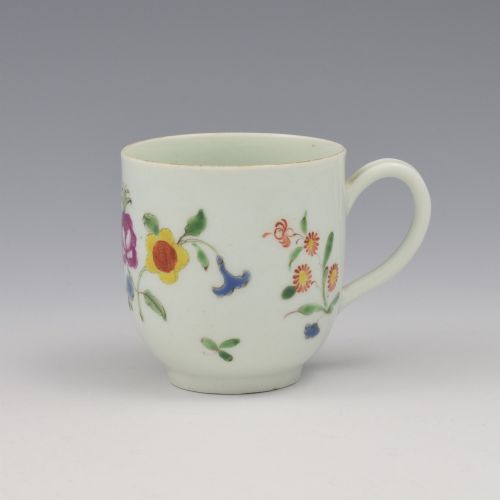
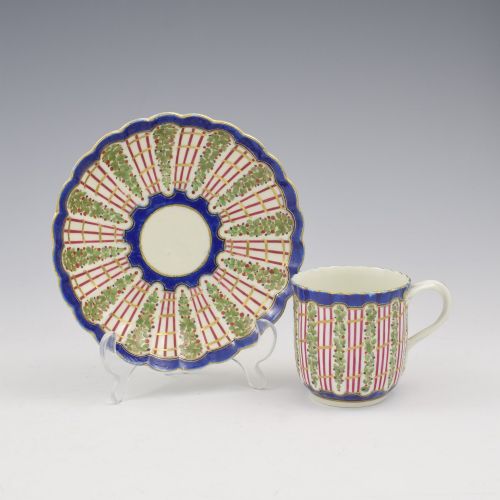
An English porcelain coffee cup encompasses cylindrical coffee cans, footed cups, and demitasse forms often paired with matching saucers or gathered into larger tea and coffee trios. These pieces emerge primarily from eighteenth-century and nineteenth-century production centres, spanning periods from early Georgian origins through Victorian and later twentieth-century revivals.
Buyers seeking this phrase encounter cylindrical cans designed for dark brews as well as flared cups meant for softer porcelain bodies. The selection on this page relies heavily on historical Staffordshire and Worcestershire potteries, showcasing both cabinet display trios and functional drinking vessels.
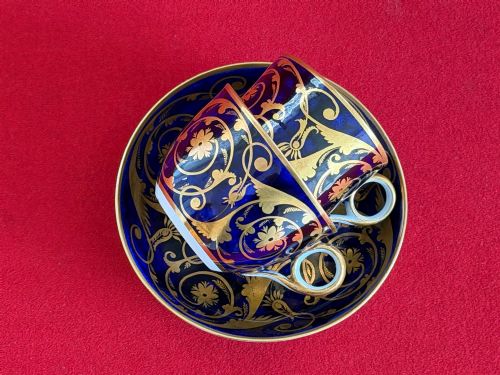
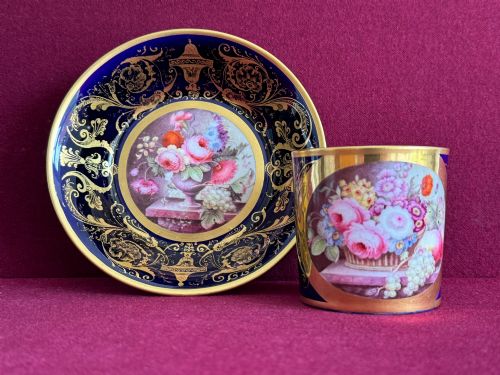
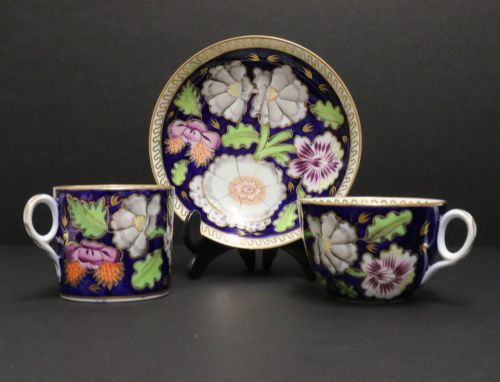
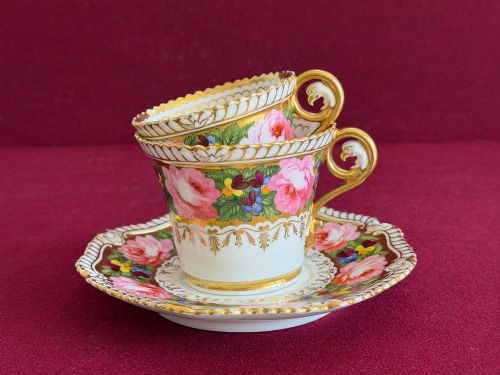
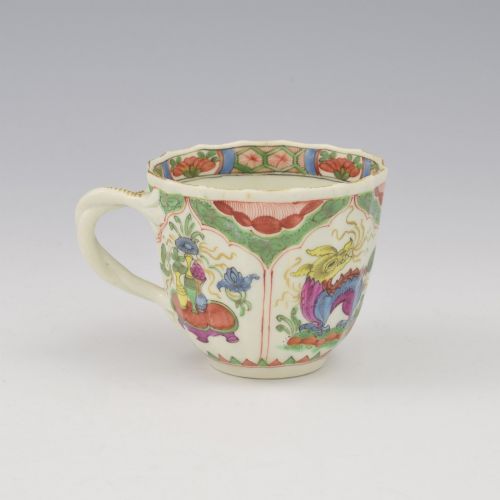
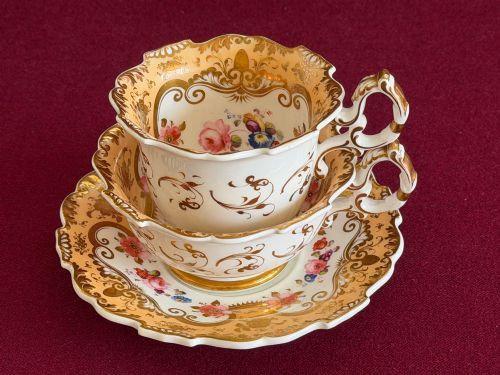
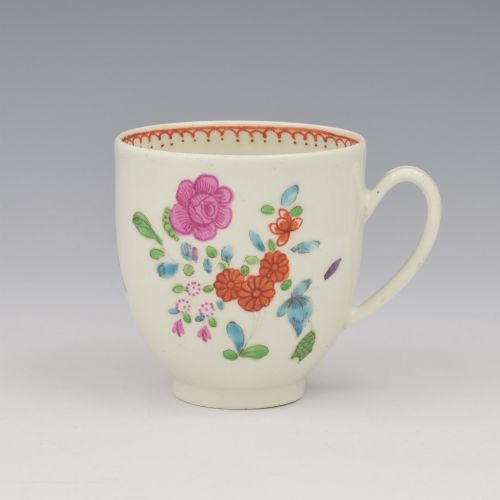
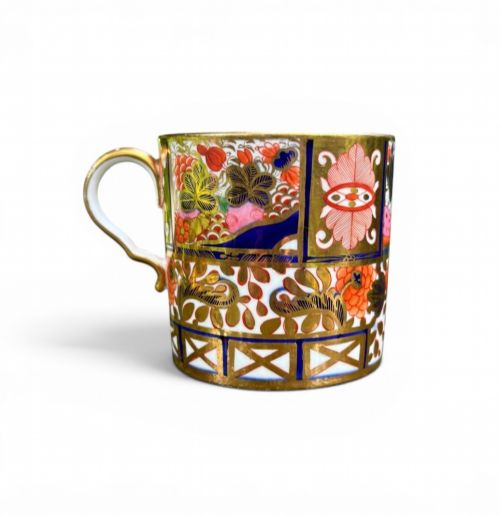
Many examples arrive with rich historical ornamentation, including hand-painted floral motifs, Chinoiserie scenes, and Imari palettes. The range extends from delicate First Period Worcester items to robust early twentieth-century Royal Worcester services.
How They Were Made
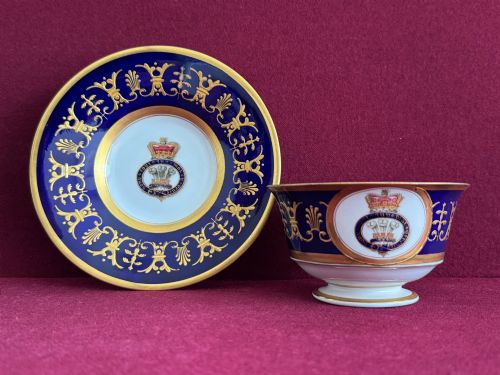
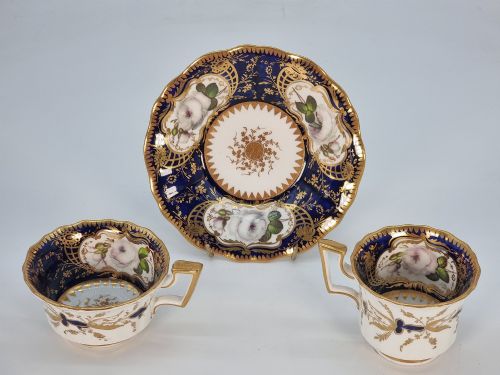
Potters utilised soft-paste porcelain and bone china bodies, shaping them into slender cans or fluted cups before applying intricate enamel colours. Artisans then enriched these surfaces with gold leaf and detailed gilding to accentuate the painted panels.
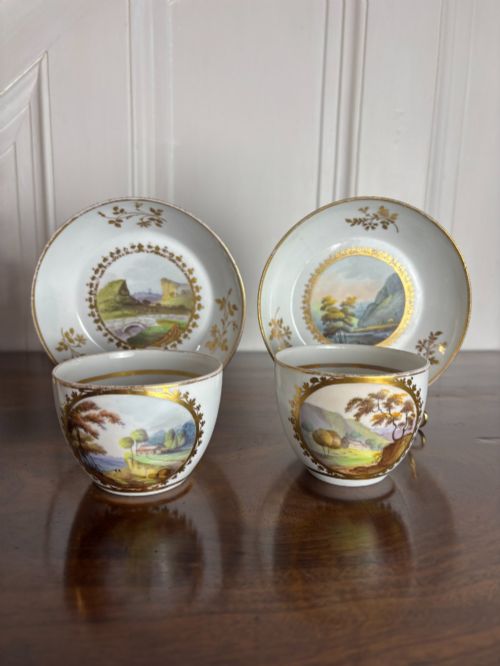
Decoration relied on meticulous hand-painting, featuring landscape paintings, fancy birds, and intricate Chinese figures executed by specialised factory artists. Kiln firing fixed the polychrome enamel pigments and gold details permanently into the glaze.
English Porcelain Coffee Cup Retail Price Guide 2026
Typical asking prices for english porcelain coffee cup among the pieces listed under this phrase on Sellingantiques today, from the lower quarter to the upper quarter. They describe what is for sale here now, not the wider market.
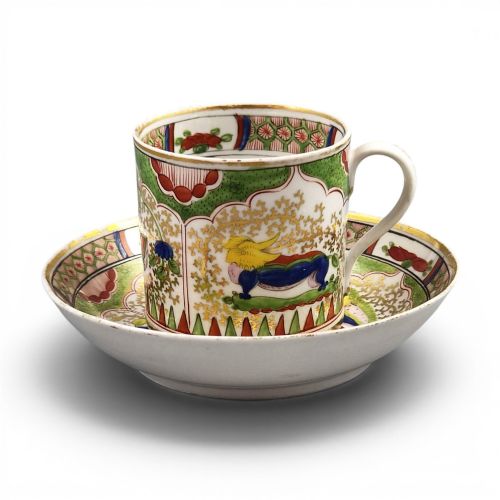
A charming Minton pattern recorded simply as the crazy cow or Bengal tiger brings whimsical animal art directly to early nineteenth-century coffee cans.
What Varies in Quality
Quality rests upon the crispness of the porcelain body, the translucency of the paste, and the precision of the hand-painted decoration. Finer pieces display expertly applied gilding and vibrant, stable enamel work without blurring or pooling.
The sophistication of the painted subject separates standard utilitarian ware from exceptional cabinet specimens. Pieces bearing recognisable factory patterns or identified artist hands command greater appreciation among collectors.
H & R Daniel·Chamberlain Worcester·Richard Chaffers·Coalport·Dr Wall Worcester·Flight & Barr Worcester·Rockingham·Yates Leeds·Derby·New Hall·Minton·Spode·Royal Worcester·Hadley Worcester·Davenport
The English Porcelain Coffee Cup Glossary
- Coffee can
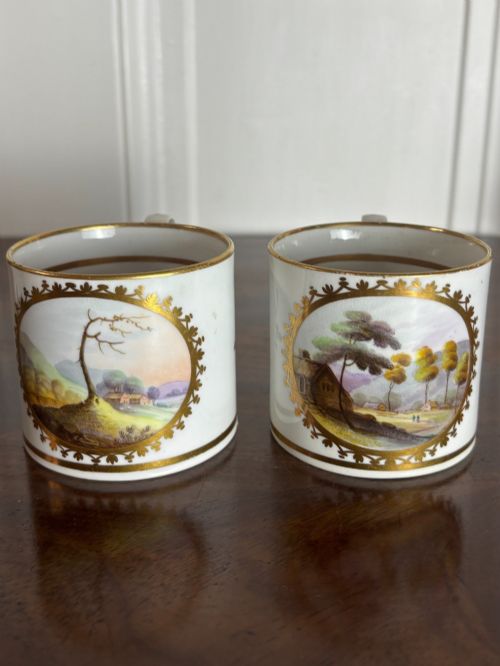
- A straight-sided cylindrical cup lacking a handle, designed specifically for consuming strong black coffee in the late eighteenth and early nineteenth centuries. This shape helps maintain the heat of the beverage.
- Trio
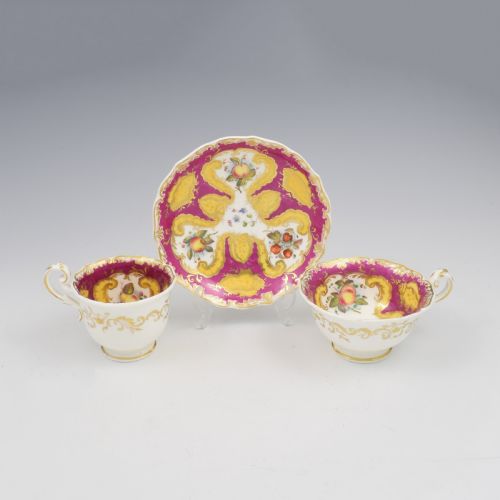
- A matched set consisting of a teacup, a coffee cup, and a saucer. These combinations became popular during the Regency period for versatile entertaining.
- Soft-paste porcelain
- An artificial ceramic composition fired at lower temperatures than hard-paste porcelain, producing a warm, creamy body common in eighteenth-century English factories. It absorbs enamel colours with a distinct softness.
- Bone china
- A durable ceramic paste incorporating animal bone ash, developed in England to create a whiter and stronger body. It allowed potteries to form thinner walls for delicate cups.
- Imari
- A decorative style inspired by Japanese export wares, featuring rich underglaze blue combined with iron red and abundant gilding. English factories adapted this palette enthusiastically during the Georgian era.
English Porcelain Coffee Cup: Frequently Asked Questions
What is a coffee can?
A coffee can is a cylindrical cup without a traditional curved handle, built to hold strong dark coffee during the Georgian and Regency periods.
These vessels often accompanied saucers in matching trios and cabinet sets.
How do I date a porcelain cup?
Dating relies on identifying factory marks, paste compositions, and stylistic indicators such as hand-painted Chinoiserie or Imari patterns.
Early pieces feature soft-paste bodies and hand-pencilled blue or polychrome details characteristic of the eighteenth century.
Are these cups safe for daily use?
Historic porcelain pieces require careful hand washing and gentle handling due to their age and delicate enamel decoration.
Many collectors prefer to use them for special occasions or display them safely within cabinets.
What is a trio?
A trio is a matching three-piece set comprising a teacup, a coffee cup, and a saucer.
This format allowed households to serve different hot beverages using a unified decorative pattern.