

English Pastoral Artwork
English pastoral artwork captures the quiet charm of the countryside through rural scenes of farmworkers, cattle, and rivers.
English Pastoral Artwork
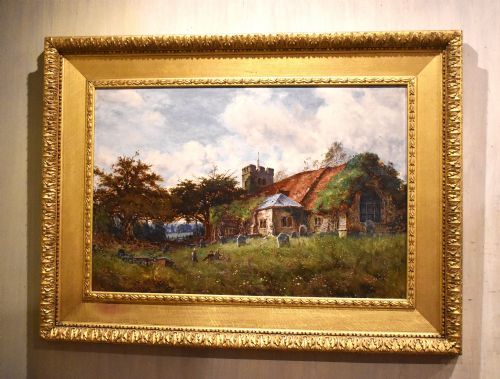
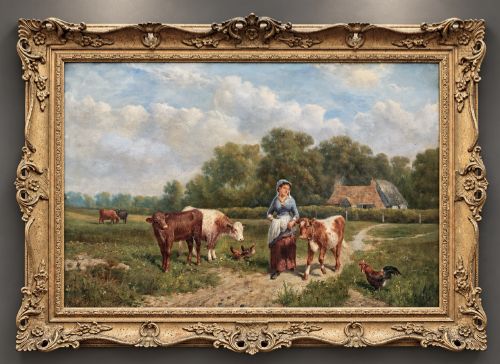
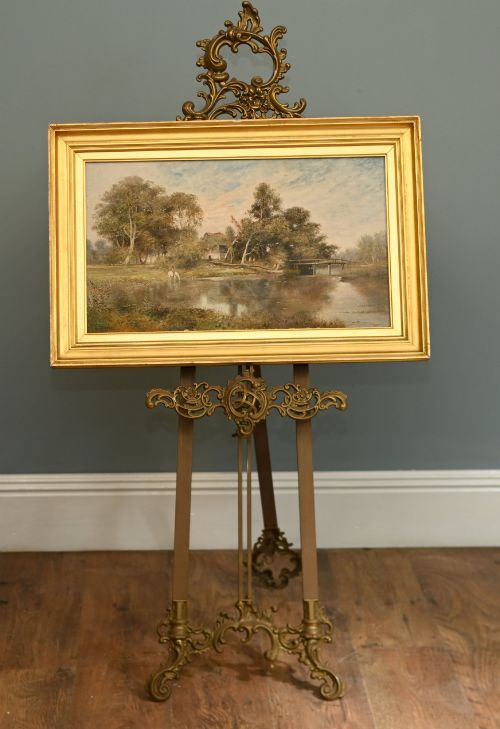
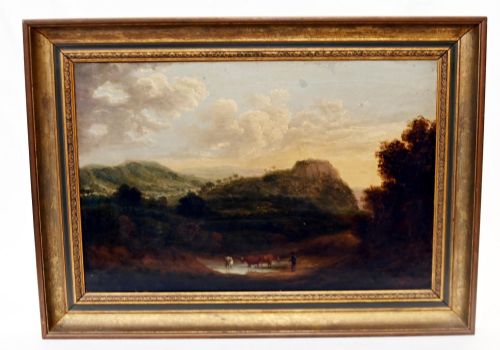
When searching for English pastoral artwork, collectors encounter framed paintings and watercolours depicting traditional rural life. These pieces primarily date from the nineteenth century into the early twentieth century, spanning Victorian and Edwardian periods.
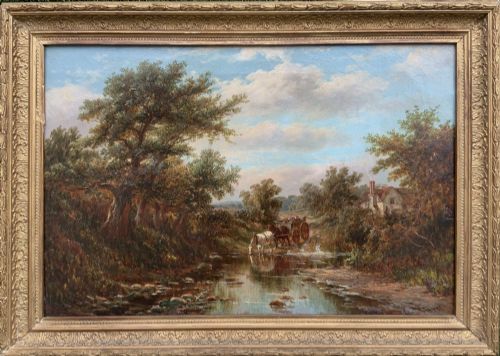
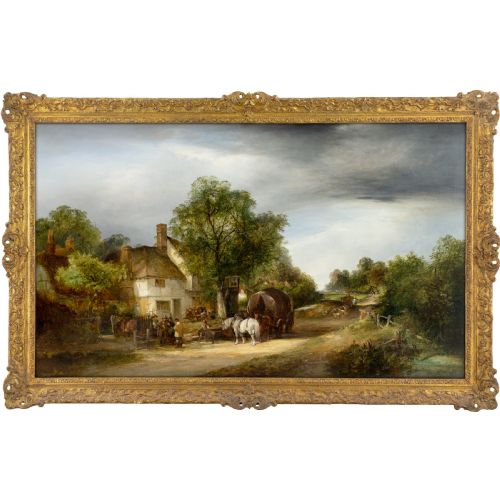
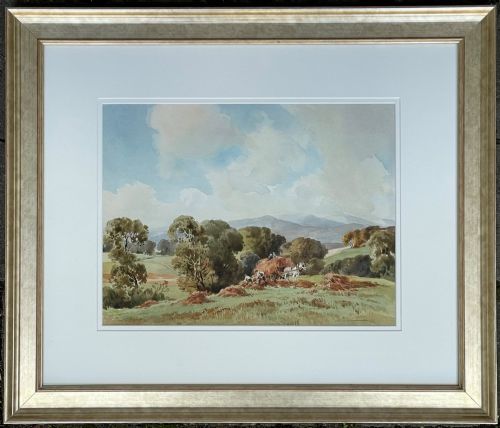
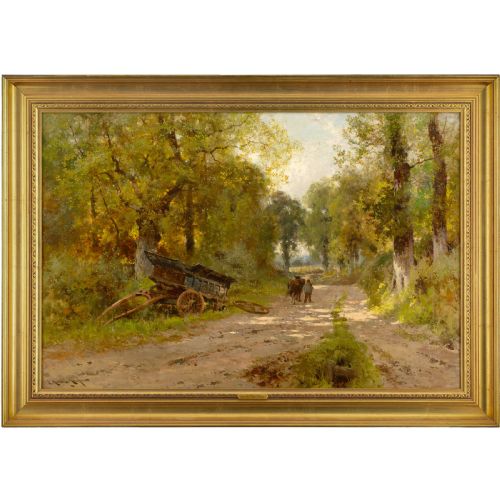
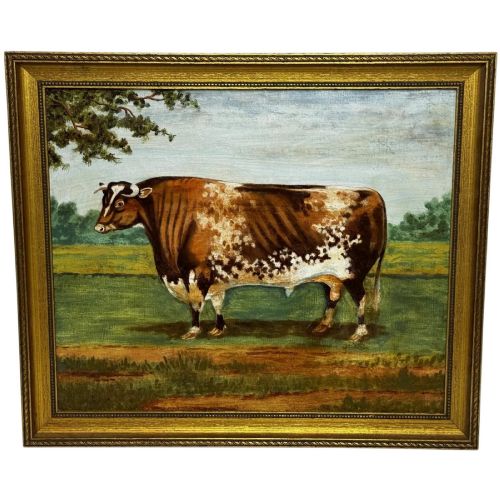
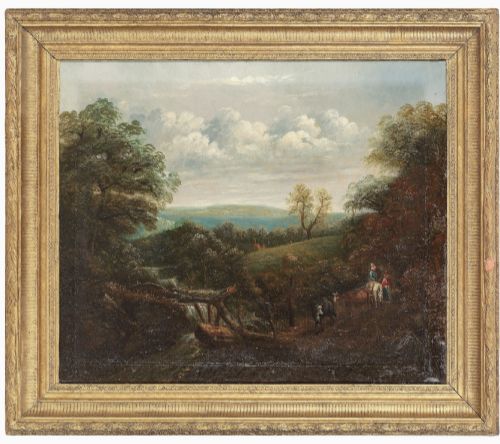
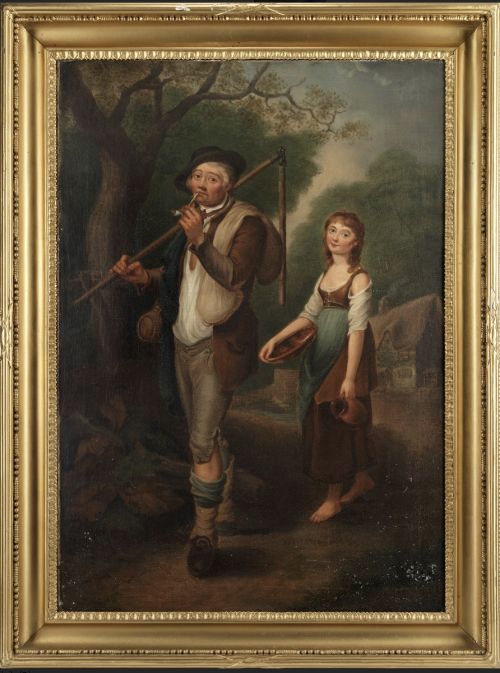
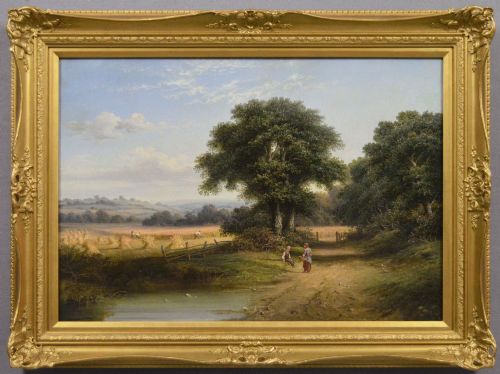
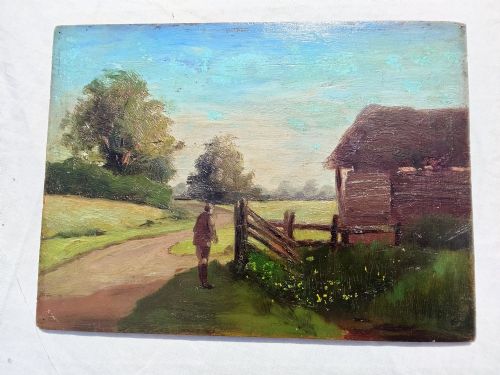
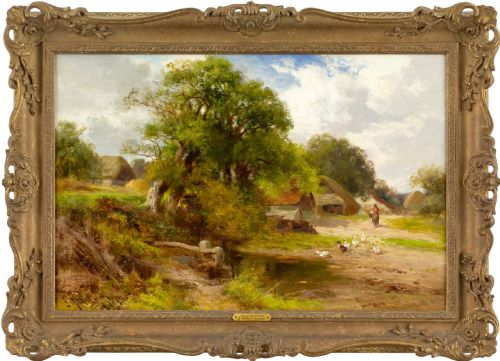
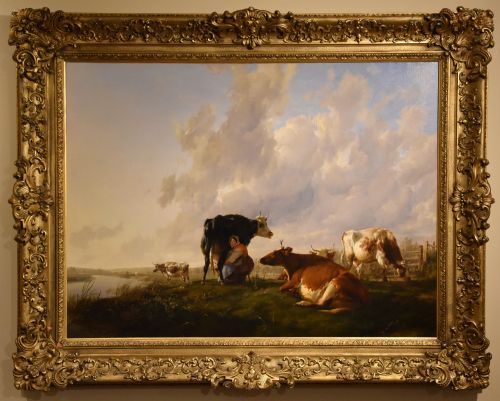
The most common subjects on this page are oil paintings and watercolours on canvas, paper, or wooden boards. They frequently portray figures near harvest fields, river landscapes, cottages, and cattle by ponds or rivers.
Makers and regional schools represented include the Norwich School and various named British artists working within traditional British and Victorian pastoral styles. The works range from intimate watercolour studies to large framed canvas landscapes.
Materials and techniques
Artists created these rural scenes using oil paint or watercolour applied to canvas, prepared paper, or wooden boards. Support materials often show the natural ageing characteristic of nineteenth and early twentieth-century works.
Many pieces retain their original or period-appropriate gilt wood frames, sometimes complemented by glass protection for paper watercolours. The combination of oil on canvas or board remains the dominant medium for larger landscape compositions.
Listings feature oil paintings and watercolours spanning the Victorian and Edwardian eras, executed on canvas, paper, and wooden boards.
Assessing quality in pastoral pieces
Quality in these rural compositions rests on the artist's handling of light, atmospheric perspective, and naturalistic detail within the landscape. Works by established named painters often demonstrate superior draftsmanship in rendering figures and livestock.
The integration of the subject matter into the surrounding countryside distinguishes finer works from more formulaic decorative pieces. Original framing and good preservation of the pigment layer also contribute to the standing of an individual artwork.
Percy Lancaster·John Horace Hooper·Thomas Sidney Cooper·Richard Redgrave·George Oyston·David Bates·Walter Heath Williams·Thomas Baker of Leamington·Henry Charles Fox·James William Booth
The English Pastoral Artwork Glossary
- Watercolour
- A painting method where fine pigment is suspended in a water-based solution, typically applied to paper.
- Oil on Canvas
- Pigment mixed with drying oil applied to stretched fabric, which became the standard medium for substantial landscape paintings.
- Norwich School
- A regional group of artists inspired by the Norfolk landscape, notable for painting local scenery directly from nature.
- Gilt Wood
- Wooden framing treated with a thin layer of gold leaf or metallic gilding, commonly found surrounding antique artwork.
English Pastoral Artwork: Frequently Asked Questions
What subjects define pastoral art?
Pastoral art focuses on rural life, featuring agricultural scenes, farm animals, shepherds, and picturesque countryside views. These compositions often depict idealized or traditional views of farming and village existence.
Common motifs include cattle near rivers, figures harvesting crops, thatched cottages, and tranquil riverbanks. The genre emphasises harmony between people, animals, and the natural environment.
How do I date an antique painting?
Dating relies on examining the stretcher frames, canvas type, paper quality, and stylistic markers of the period. Signatures, inscriptions on the reverse, and artist biographical dates offer precise chronological anchors.
Framing styles and pigment analysis also assist in determining whether a work originates from the Victorian era or the later Edwardian period. Archival records of exhibited works help confirm exact creation years.
Where should I hang these watercolours?
Watercolours require careful placement away from direct sunlight to prevent the fading of delicate pigments on paper. Displaying them in rooms with stable humidity levels protects both the paper support and the gilt frame.
Using UV-protective glazing helps preserve watercolours when hung in domestic living spaces. Proper spacing from direct heat sources ensures the longevity of the framing materials.
What is the English School style?
The English School encompasses generations of painters working within British traditions, particularly focusing on landscape and genre painting. It reflects a national interest in topography and natural scenery.
Works attributed to the English School often display a direct observation of British weather, rural architecture, and pastoral life. This broad classification connects anonymous or follower works to established national artistic traditions.