



English Panelled Chair
An english panelled chair brings solid timber and centuries of vernacular joinery directly into a room.
English Panelled Chair
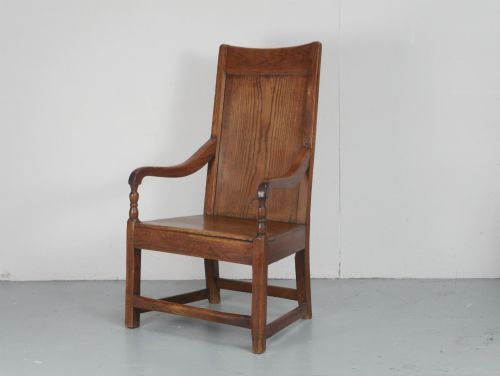
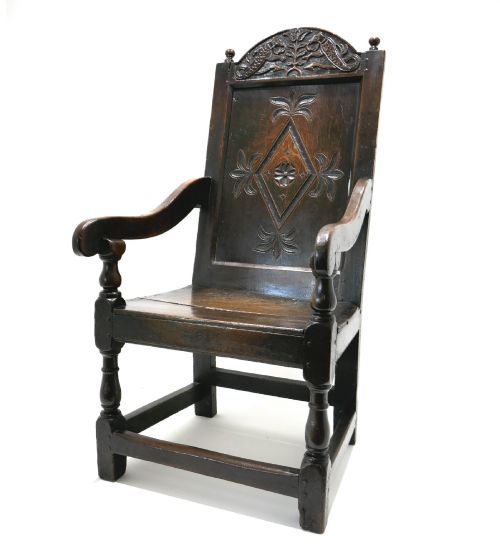
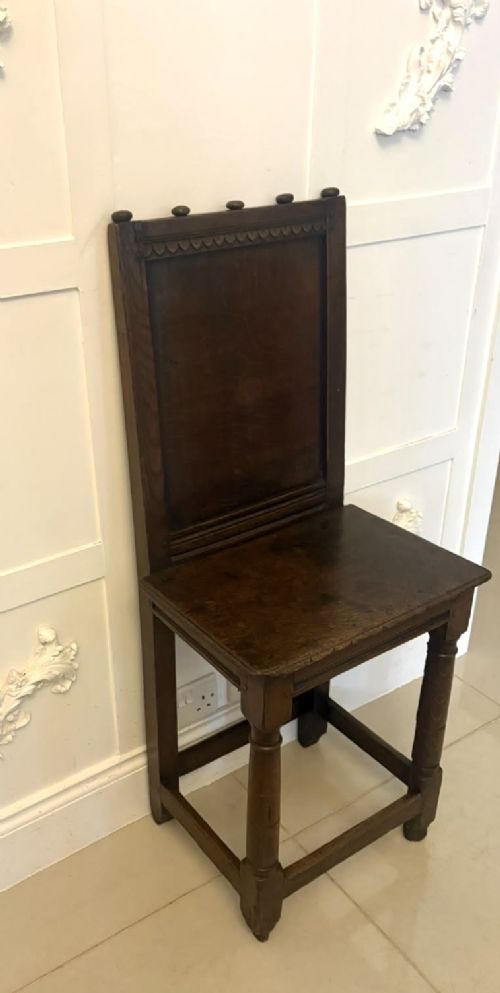
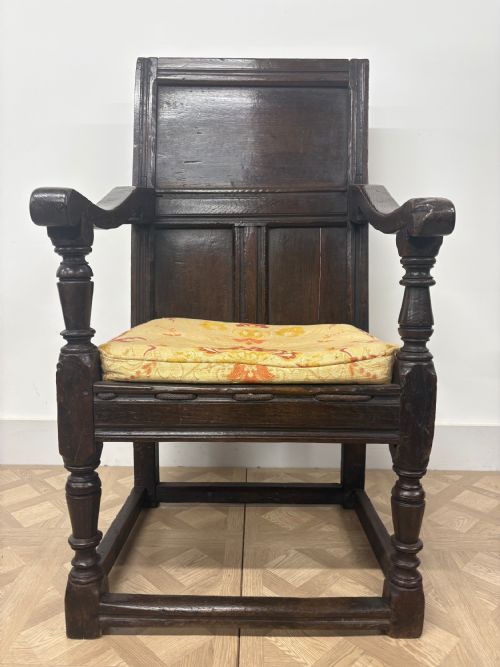
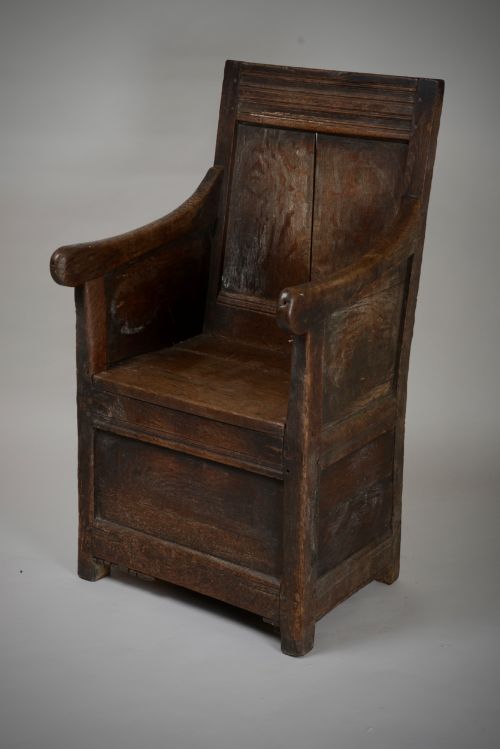
When searching for an english panelled chair, buyers encounter robust wooden seating rooted primarily in the seventeenth and eighteenth centuries, alongside later revivals. These pieces frequently manifest as wainscot armchairs, box chairs, and hall or side seating constructed with rigid timber backs.
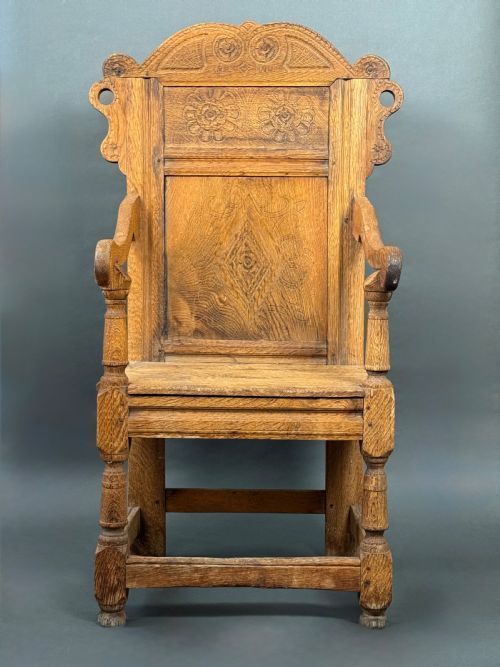
Regional variations appear across localities such as Lancashire, Cheshire, Yorkshire, and the West Country, displaying distinct regional carving patterns and proportions. Master armchairs and schoolmaster desks chairs also populate the category, showing how utilitarian forms adapted to domestic and institutional life.
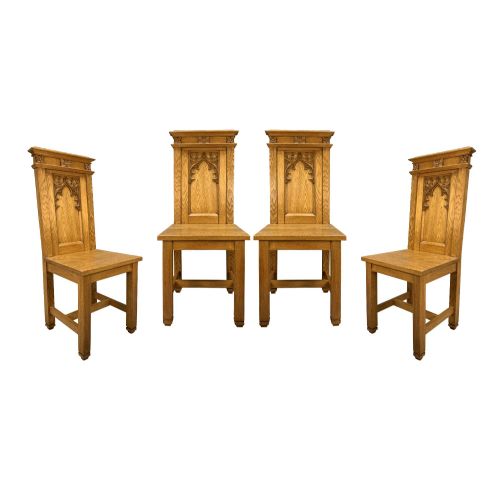
While earlier examples date back to the late sixteenth century and the Elizabethan period, later nineteenth- and twentieth-century interpretations, including Gothic revival pieces, also surface. Solid oak forms the baseline of these historical items, creating a heavy, architectural presence within any interior.
Determinants of Quality
Quality rests heavily on the proportion of original timber remaining in the frame, as many pieces have undergone extensive timber replacement or board consolidation over the centuries. The crispness and depth of hand-carving on the back panels distinguish skilled regional joinery from cruder vernacular output.
Structural integrity depends on the tightness of the original pegged joints and the preservation of the solid oak seat boards. Pieces retaining their original patination and surface colour command greater interest than those stripped down and aggressively refinished.
English Panelled Chair Retail Price Guide 2026
Typical asking prices for english panelled chair among the pieces listed under this phrase on Sellingantiques today, from the lower quarter to the upper quarter. They describe what is for sale here now, not the wider market.
Listings span periods from the sixteenth century through the Victorian era and the 1920s, predominantly utilising solid English oak alongside occasional brass and fabric elements.
The English Panelled Chair Glossary
- Wainscot chair
- A heavy wooden armchair constructed primarily of oak with a panelled back, common in seventeenth-century domestic interiors. This form evolved from chests and benches, providing sturdy seating before upholstered furniture became widespread.
- Stile
- A vertical framing member in a panelled chair back or structure. It provides the main structural vertical support alongside horizontal rails.
- Rail
- A horizontal framing member fitted between stiles to hold panels in place. Rails create the upper and lower borders of a panelled back.
- Vernacular furniture
- Domestic objects made by local craftsmen using regional traditions and native materials rather than following high court styles. These pieces reflect the practical needs of rural communities.
- Box chair
- An early seating form where the base is enclosed like a chest beneath the seat. This design offered storage space and blocked floor drafts.
English Panelled Chair: Frequently Asked Questions
What is a wainscot chair?
A wainscot chair is a heavy wooden armchair made predominantly of oak, featuring a panelled back and solid seat. These sturdy seats date largely from the seventeenth century and reflect early domestic joinery traditions.
Such chairs were prestigious items in their early period, often reserved for the head of the household. Their rigid panel construction provided insulation against draughts in large, cold rooms.
How do I spot a later revival chair?
Later revival pieces, such as those from the nineteenth or twentieth centuries, often display machine-cut timber marks and overly uniform carving. The wood colour and surface wear may appear artificial compared to genuinely old timber.
Examining the peg construction and the underside of the seat helps reveal the true age. Older examples show irregular tool marks and shrinkage consistent with centuries of natural drying.
How were these chairs used historically?
These chairs served as principal seats in the hall, parlour, or bedchamber of seventeenth-century homes. Their solid wooden construction made them durable for daily domestic tasks.
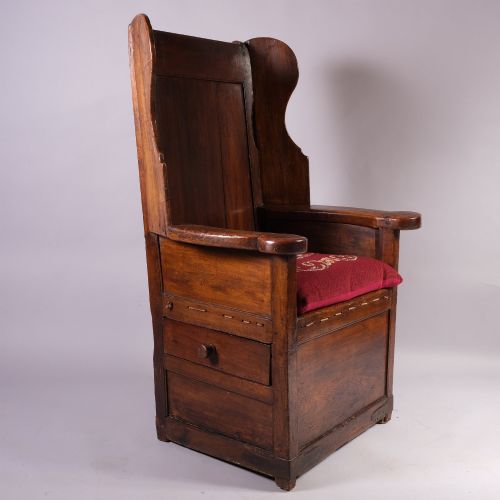
Over time, forms adapted to specific environments, including school rooms, offices, and churches. Some variants like lambing chairs provided sheltered seating near open hearths.
Where did regional styles originate?
Regional styles developed according to local workshop traditions and the availability of English oak. Areas like Lancashire, Cheshire, and Yorkshire developed distinct carving motifs on their panelled backs.
Local joiners passed down specific moulding patterns and construction habits within families and guilds. This creates identifiable differences between pieces from the West Country and northern counties.