

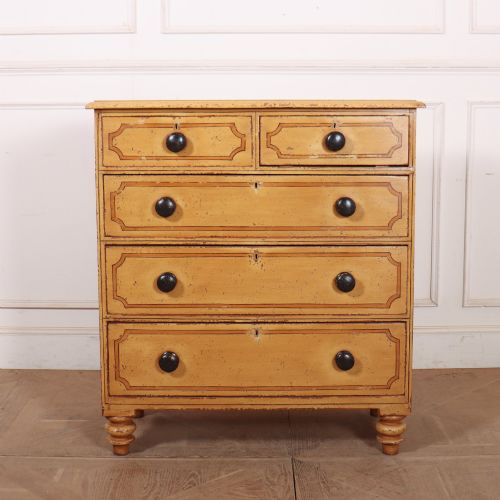


English Painted Bureau
An english painted bureau brings functional writing workspace and decorative surface work together in one historic piece.
English Painted Bureau
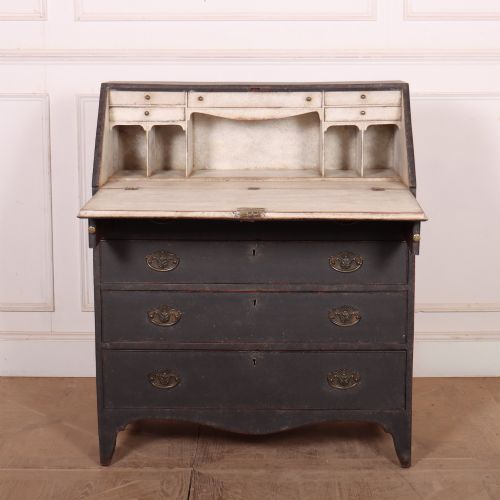
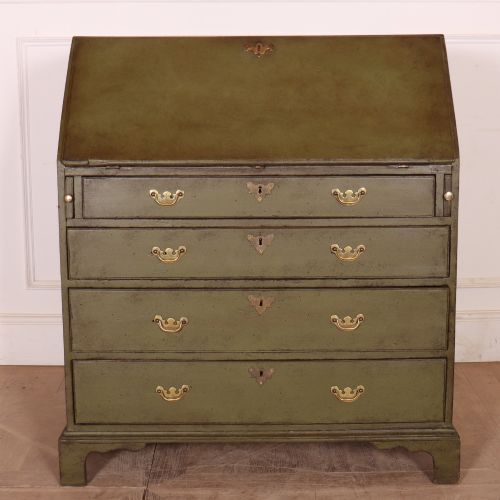
An english painted bureau combines a fitted writing slope with storage drawers underneath, often taking the form of a freestanding cabinet or bookcase. When you search for an english painted bureau, you encounter examples ranging from 18th-century pieces to later Victorian interpretations.
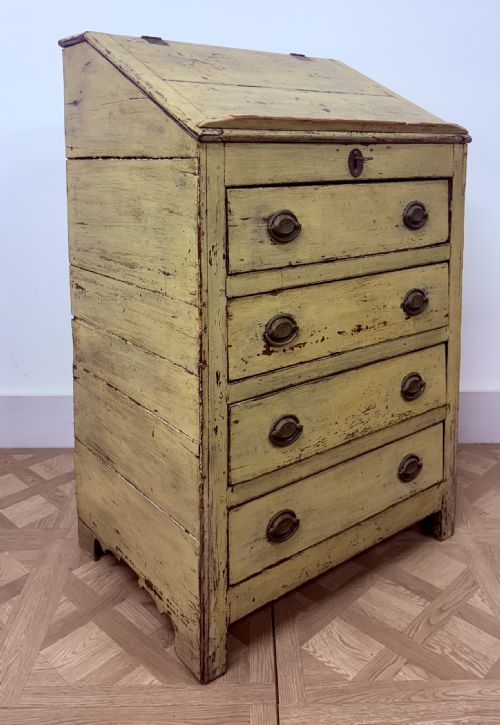
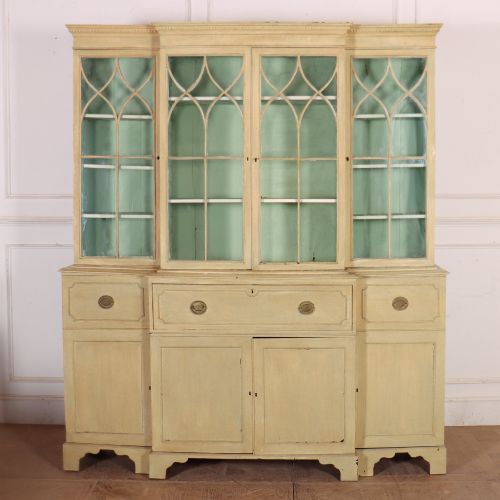
The selection on this page includes bureau bookcases, secretaire bookcases, and provincial chests of drawers with writing slopes. These objects reflect various periods such as Georgian, Victorian Gothic Revival, and Sheraton Revival.
Most items you meet here originate from the 18th and 19th centuries, utilising woods like pine, satinwood, and other painted timber.
How they were made
Joiners and cabinetmakers constructed these pieces using solid timbers such as pine and satinwood, applying painted finishes directly to the wood. Surface decoration ranges from simple hand-painted treatments to red lacquered work.
English Painted Bureau Retail Price Guide 2026
Typical asking prices for english painted bureau among the pieces listed under this phrase on Sellingantiques today, from the lower quarter to the upper quarter. They describe what is for sale here now, not the wider market.
Listings span the 18th century, 19th century, Georgian, and Victorian periods, utilising paint, brass, glass, pine, and satinwood.
What varies in quality
The integrity of the painted surface work sets apart standard examples from finer ones, particularly where hand-painted details or lacquering survive intact. Original painted finishes carry greater visual depth than later restorations.
Construction methods and timber selection also define the tier of a piece, with well-figured satinwood or robust 18th-century pine carcases showing superior craftsmanship compared to plain utility builds.
The English Painted Bureau Glossary
- Bureau
- A desk featuring a sloping hinged lid that drops down to reveal a writing surface and small interior compartments. This form evolved during the late 17th century and remained popular through the Georgian and Victorian eras.
- Bureau Bookcase
- A tall piece combining a lower desk section with an upper shelving or display cabinet enclosed by doors. These often feature glass panes in the upper section.
- Secretaire
- A piece of furniture containing a drawer or compartment that pulls out or folds down to serve as a writing desk. The term often applies to bookcases fitted with a dedicated writing drawer.
- Sheraton Revival
- A late 19th-century design movement inspired by the neoclassical furniture of George Sheraton. Pieces from this revival typically utilise satinwood and delicate painted decoration.
- Queen Anne Style
- A revival style referencing early 18th-century English design, noted here in red lacquered finishes. It emphasises curved lines and decorative painted motifs.
English Painted Bureau: Frequently Asked Questions
What is an english painted bureau?
An english painted bureau is a traditional writing desk featuring a sloping lid over drawers, finished with paint or lacquer. These pieces serve as both functional workspaces and decorative storage cabinets.
They appear in various forms, including standalone desks and larger bureau bookcases dating from the 18th and 19th centuries.
How were bureau bookcases used?
Bureau bookcases served dual purposes for writing correspondence and storing or displaying books and papers. The drop-down slope provided a private surface for letters and accounts.
The upper glass doors allowed owners to display library volumes while keeping them free from dust.
How do I identify a Georgian bureau?
Georgian bureaux typically date from the 18th century and show characteristic period construction in timbers like pine and satinwood. They often feature brass handles and fitted interior pigeonholes.
Comparing the structural joinery and surface finish helps distinguish these earlier examples from later Victorian revivals.
What distinguishes Victorian revival pieces?
Victorian revival pieces reference earlier historical periods, such as the Sheraton Revival using satinwood around 1890. These items adapt 18th-century forms to late 19th-century tastes.
Examining the paintwork, secondary woods, and hardware style helps clarify the actual period of manufacture.