

English Oak Seat
Selecting an english oak seat brings centuries of solid craftsmanship and practical domestic history straight into a room.
English Oak Seat
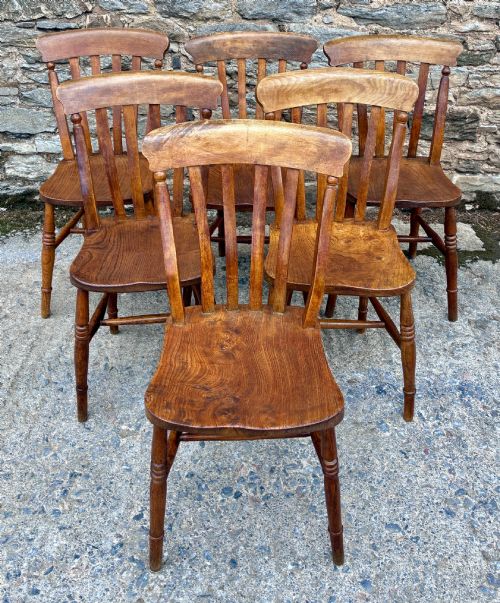
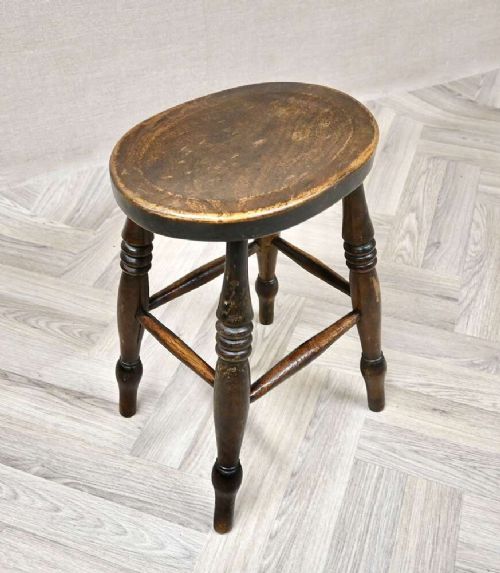
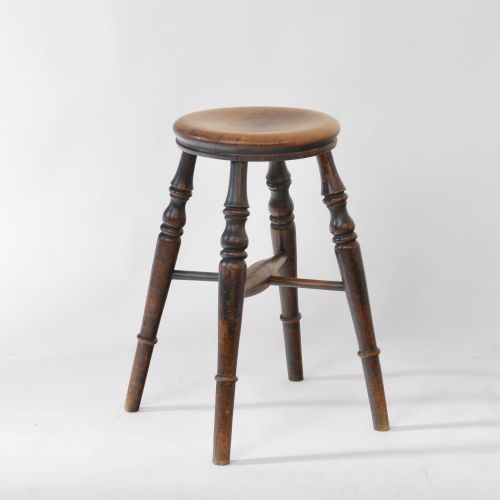
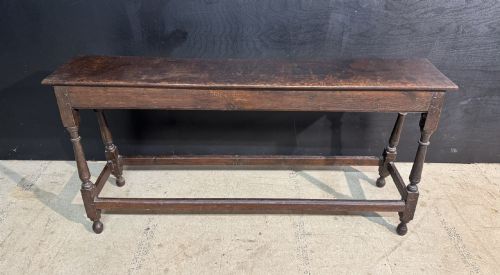
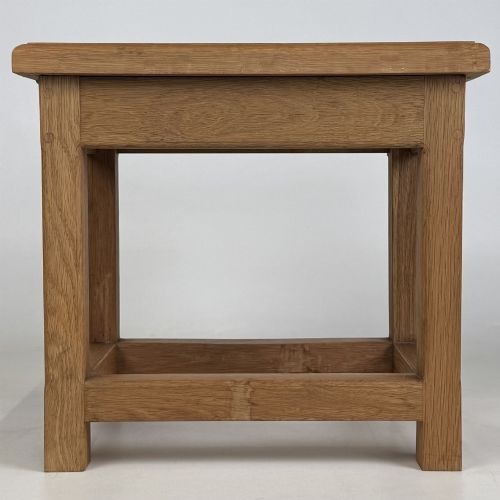
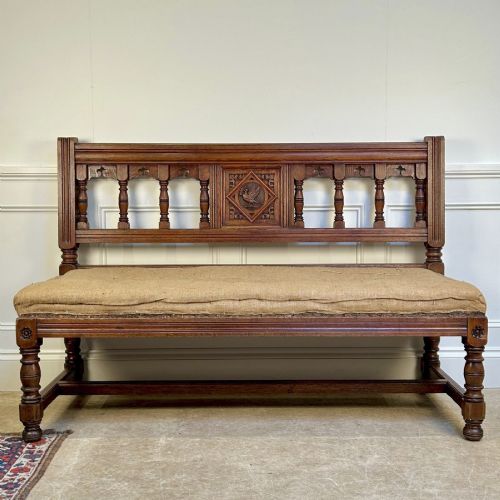
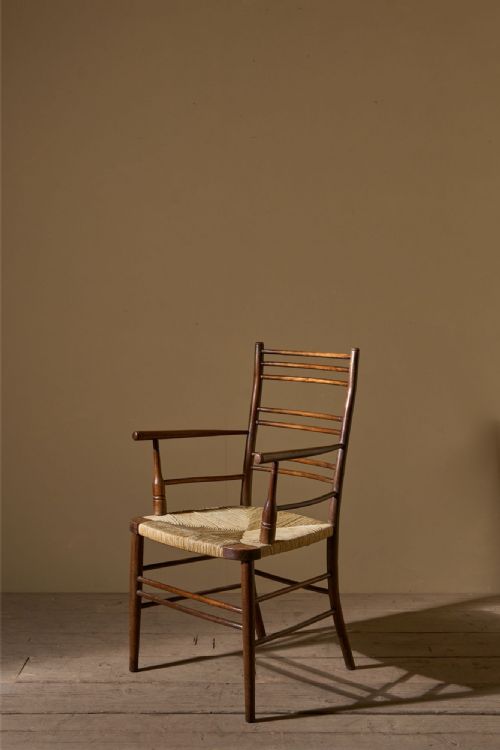
The term english oak seat covers a remarkably wide family of historic furniture, ranging from simple provincial joint stools and ladder-back kitchen chairs to elaborate wainscot armchairs and long box settles. Buyers searching this phrase typically encounter robust domestic seating designed for utilitarian longevity, spanning centuries of British interior history.
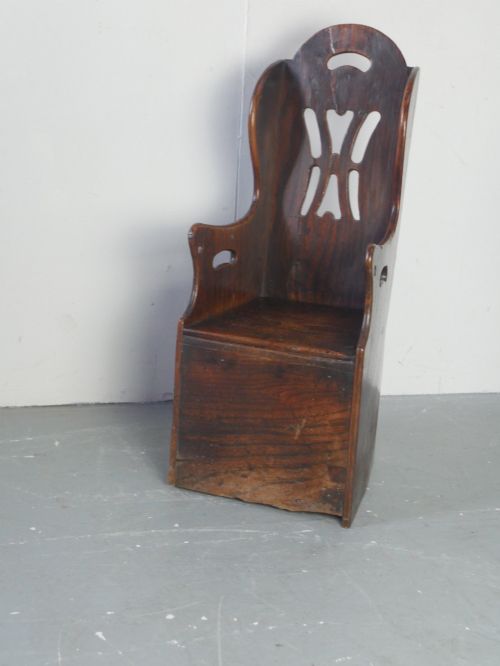
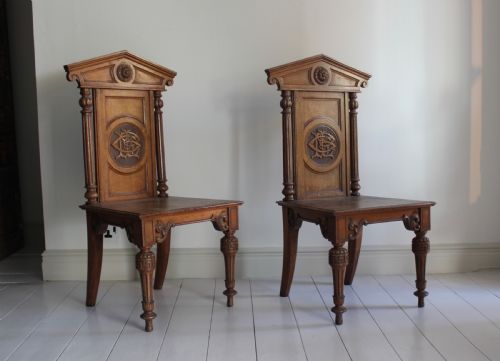
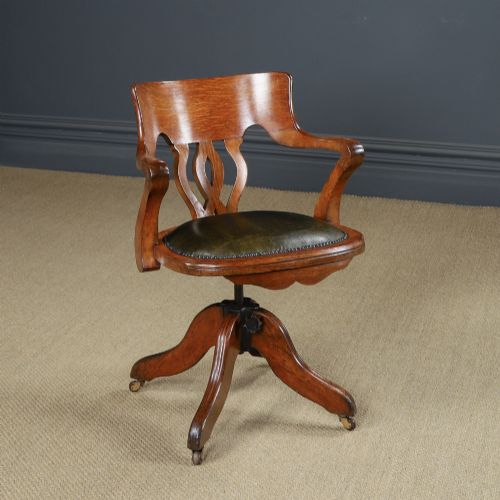
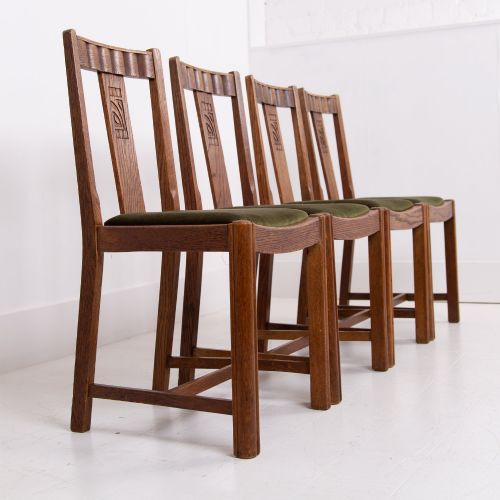
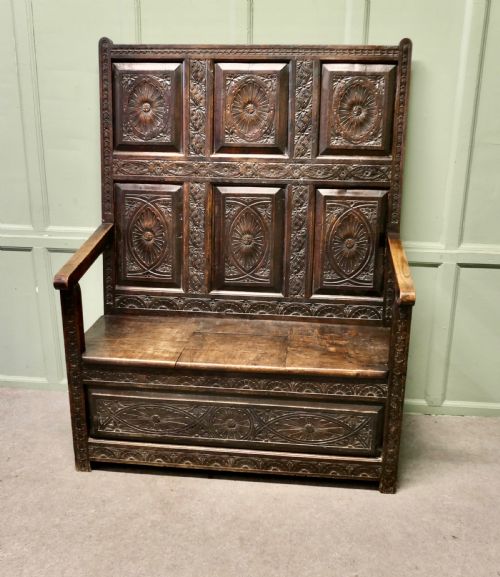
The surviving pieces on offer include sturdy 17th-century wainscot chairs, 18th-century settle benches with integrated storage boxes, and various Victorian and Edwardian hall chairs or window seats. While formal dining sets and office armchairs appear alongside rustic stools, oak remains the primary material linking these diverse forms.
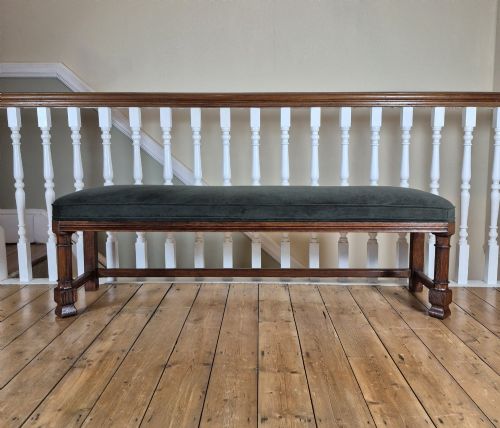
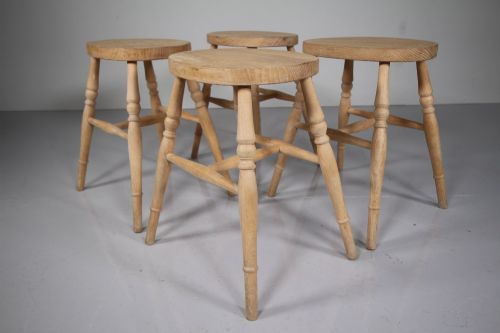
Many examples display the distinct characteristics of English country manufacture, featuring solid timber construction and traditional joining methods that have endured heavy daily use. Whether selecting a narrow hallway bench or a low fireside stool, the buyer secures a functional piece of vernacular heritage.
Materials and Construction
Makers relied primarily on native timber, pairing solid oak frames with supporting elements of elm, ash, beech, and fruitwood depending on the region and the specific demands of the chair component. Seats were frequently fashioned from single planks of oak or elm, occasionally supplemented with woven rush, leather, or velvet squabs for added comfort.
Joinery techniques relied heavily on mortise and tenon joints secured with wooden pegs, creating rigid frames that avoided the need for modern adhesives. Turned elements, carved panels, and board construction demonstrate the straightforward carpentry methods employed by provincial and urban workshops alike.
Some historic box settles doubled as secure indoor storage chests for family valuables while keeping people warm near the hearth.
Indicators of Quality
Superior quality in these items often reveals itself through the integrity of the timber selection and the depth of the natural patina accumulated over generations of use. Master makers chose quarter-sawn oak displaying prominent medullary rays, which provided both structural stability and a handsome visual grain.
The proportion of the form and the crispness of any hand-carving distinguish standard provincial production from finer workshop output. Original timber surfaces unmarred by aggressive modern intervention retain the subtle textures and rich colour valued by experienced collectors.
GIllows·Harry & Lou Epstein
The English Oak Seat Glossary
- Joint Stool
- A sturdy wooden stool constructed with pegged mortise and tenon joints rather than turned legs socketed into a seat. These pieces served versatile domestic functions in early households.
- Wainscot Chair
- An early wooden armchair featuring a panelled back and solid wooden seat, typically constructed entirely from oak during the seventeenth century or earlier. They represented substantial status within a household.
- Box Settle
- A high-backed wooden bench incorporating a storage compartment beneath the hinged seat. This design sheltered occupants from cold drafts in historic halls and kitchens.
- Lathe Back
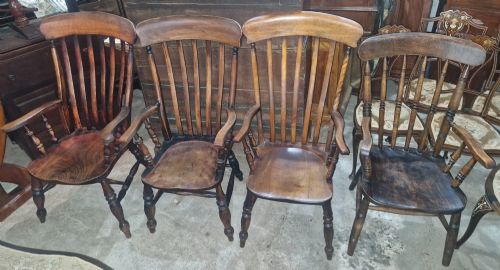
- A chair style characterised by turned vertical spindles supporting the upper backrail. This vernacular design appeared frequently in nineteenth-century country kitchens.
- Smoker's Bow
- A low wooden armchair with a continuous curved armrail supported by multiple spindles, often featuring a deeply saddled solid seat. These comfortable elbow seats became staples of country houses and inns.
English Oak Seat: Frequently Asked Questions
How do I date an early oak seat?
Dating relies on examining the construction methods, tool marks, and joinery style visible beneath and behind the piece. Peg placement, panel construction, and timber shrinkage all provide clear chronological indicators.
Changes in turning styles and the evolution of chair backs from heavy wainscot panels to lighter ladder-backs help narrow down the period of manufacture.
How should I care for an oak seat?
Maintaining historic oak requires keeping the timber away from direct heat sources and sudden temperature fluctuations that cause wood to split. Regular dusting with a dry cloth and occasional application of appropriate wax preserves the finish.
Avoiding harsh chemical cleaners ensures the natural surface patination accumulated over generations remains undisturbed.
What is a saddle seat?
A saddle seat is a solid wooden seat base sculpted with deep depressions shaped to fit the human body. This ergonomic carving provided comfort before upholstered cushions became common.
Cabinetmakers and chair bods utilised adzes and drawknives to hollow out thick elm or oak planks for Windsor and office chairs.