




English Oak Display
An English oak display brings together timber and glass to hold books, plates and curiosities.
English Oak Display
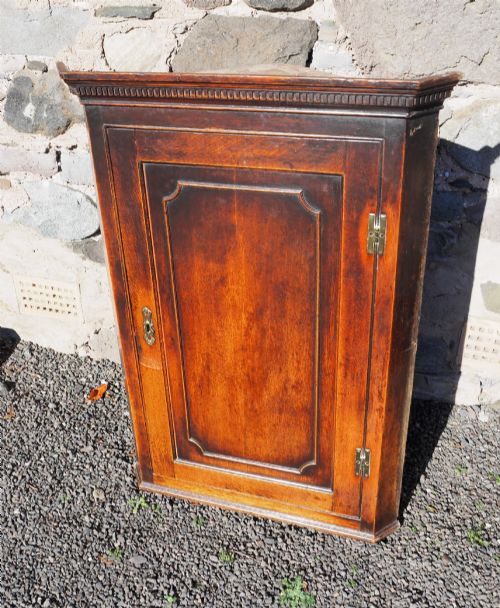
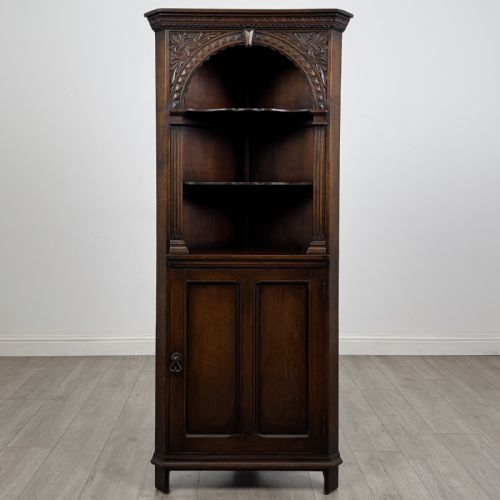
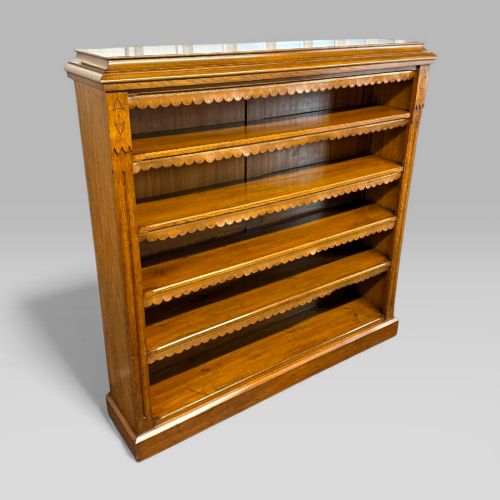
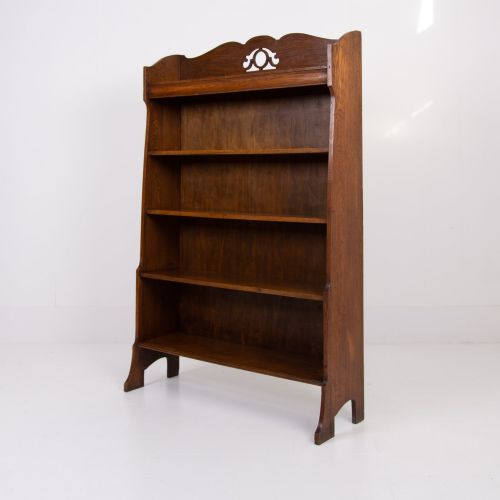
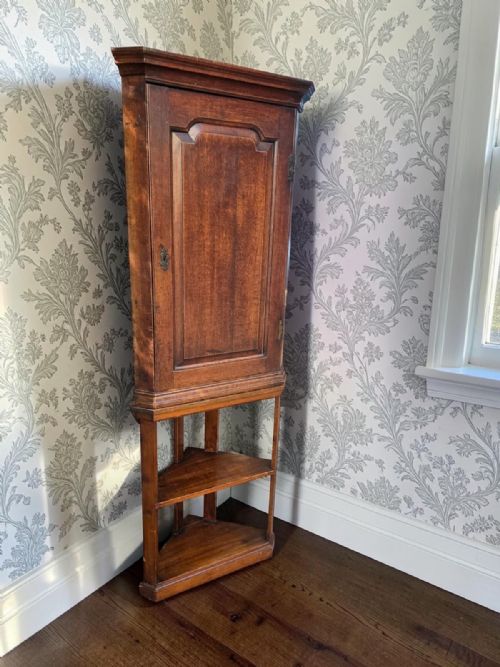
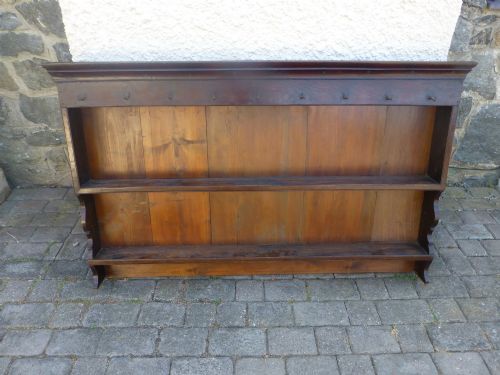
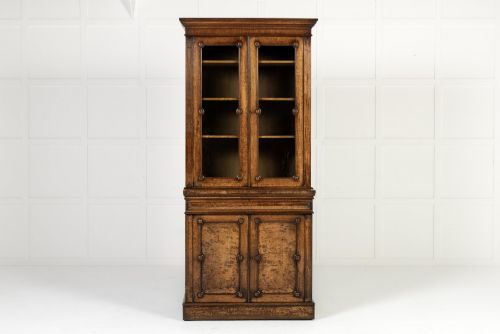
An English oak display piece ranges from tall glazed bookcases and library cabinets to hanging corner cupboards and wall-mounted plate racks. These items emerge from various periods spanning the eighteenth century through to the early decades of the twentieth century, encompassing Georgian, Victorian, Edwardian and revival styles.
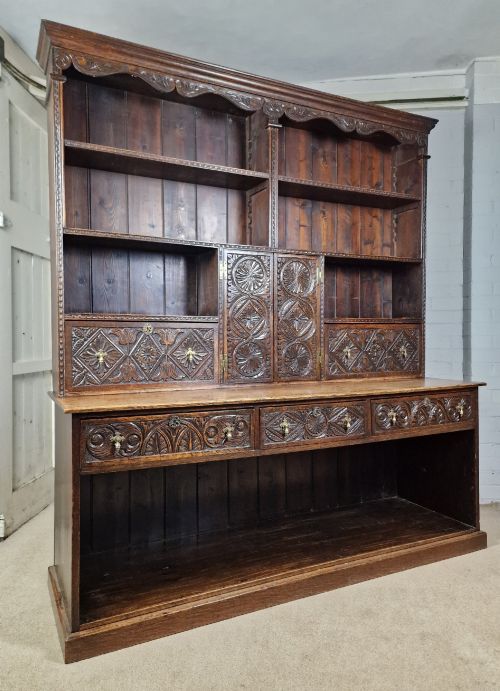
The most common formats met here are corner cabinets with glazed doors, open bookcases, and kitchen dressers fitted with upper racks. Smaller items such as tabletop display domes, plant stands and side tables also appear within the selection, built primarily from solid oak alongside secondary timbers like pine and mahogany.
Materials and construction
Construction relies heavily on solid oak, frequently paired with glass panels for doors and display windows, brass hardware for hinges and escutcheons, and occasional contrasting details in pollard oak, ebonised wood or mahogany crossbanding. Iron fittings support structural stability in larger items like library bookcases and heavy dressers.
Cabinet makers utilised traditional joinery methods, incorporating panelled doors, carved bases, turned barley twist legs and pegged joints. Glazed sections use timber framing to secure individual glass panes, while hanging cupboards incorporate sturdy backboards and mounting brackets for wall stability.
English Oak Display Retail Price Guide 2026
Typical asking prices for english oak display among the pieces listed under this phrase on Sellingantiques today, from the lower quarter to the upper quarter. They describe what is for sale here now, not the wider market.
Listings feature oak display items spanning the 18th century, 19th century, Regency, Victorian, Edwardian periods and the 1920s.
Craftsmanship and proportion
Quality separates pieces through the selection of timber grain and the precision of the cabinet work, such as tightly fitted doors, clean crossbanding, and crisply carved ornamentation on friezes and bases. Superior examples maintain balanced proportions and harmonious integration of brass hardware and glass panes.
The integrity of the timber and the condition of the original glass panels dictate the standing of a piece. Finer items exhibit thoughtful detailing like inlaid woodwork, well-executed revival styling, and robust internal shelving that sustains structural soundness over centuries of use.
The English Oak Display Glossary
- Crossbanding
- A strip of veneer applied across the grain of the primary timber on furniture borders. This technique creates a decorative frame around drawer fronts and cabinet doors.
- Delft rack
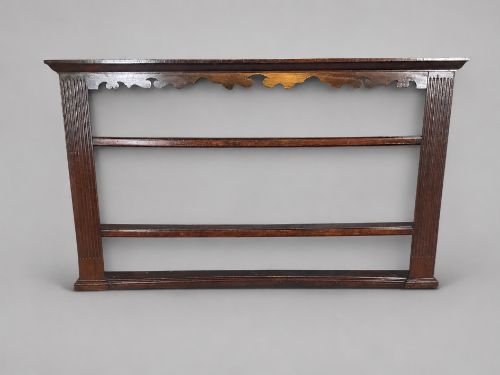
- An open wooden shelving unit designed to display ceramic plates and platters against a wall. These units frequently form the upper portion of a traditional kitchen dresser.
- Barograph
- A meteorological instrument housed in a wooden and glass case that records atmospheric pressure onto a rotating chart. They often feature bevelled glass and a small drawer for spare charts.
- Pollard oak
- Timber taken from trees that have been pollarded, producing a highly figured grain pattern with clustered knots. Furniture makers utilised this wood for decorative veneering on statement panels.
English Oak Display: Frequently Asked Questions
Where should an oak corner cabinet go?
An English oak display cabinet fits neatly into empty room corners, utilising vertical space that standard rectangular furniture leaves vacant. They suit dining rooms, living areas and hallways for holding tableware or books.
Ensure the wall angles match the cabinet structure securely, particularly for hanging models. Placing them away from direct heat sources protects the timber joints and glass settings.
How do I maintain glazed display doors?
Clean the glass panes using standard window cleaner applied to a cloth rather than sprayed directly, preventing moisture from seeping into the timber frame. Check the brass hinges and latches periodically for secure alignment.
Keep the oak timber conditioned with suitable furniture wax to prevent the wood from drying out. Avoid placing heavy items on shelves beyond their intended load capacity.
What is the difference between an open bookcase and a glazed cabinet?
Open bookcases provide direct, unobstructed access to books and objects, making them practical for everyday reading collections and frequently encountered in Arts and Crafts or Aesthetic Movement styles. Glazed cabinets enclose the contents behind glass doors, shielding books and ceramics from dust.
Glazed versions often feature lockable doors and fine architectural details such as arched alcoves or decorative cornices. Both forms utilise solid oak frames but serve distinct display and storage needs.
How can I identify Georgian oak from later revival pieces?
Georgian oak items, dating through the eighteenth century, display period construction methods such as hand-cut dovetails, pegged joints and timber patination developed over centuries of use. Revival pieces from the Victorian era and the 1920s imitate styles like Jacobean or Chippendale but utilise machine-cut elements and later hardware.
Examine the backboards, interior timber consistency and secondary woods like pine to determine the period of origin. Revival pieces often combine older styling cues with proportions typical of early twentieth-century interiors.