




English Oak Carvers
English oak carvers bring substantial vernacular presence into a room, offering robust seating built to endure centuries of daily domestic use.
English Oak Carvers
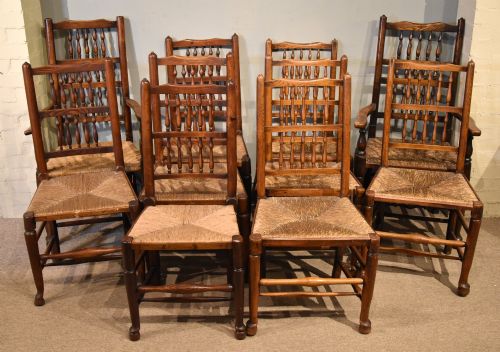
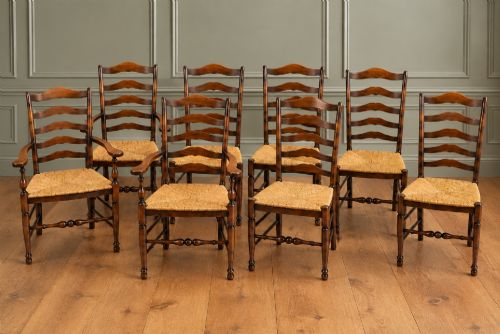
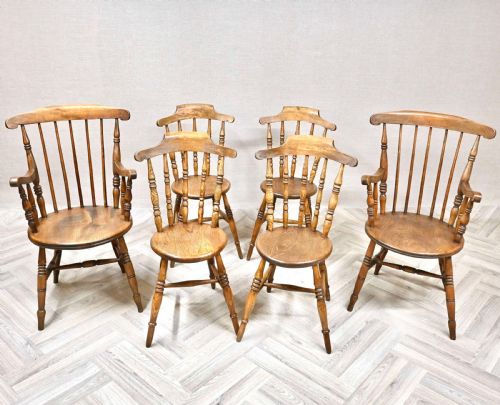
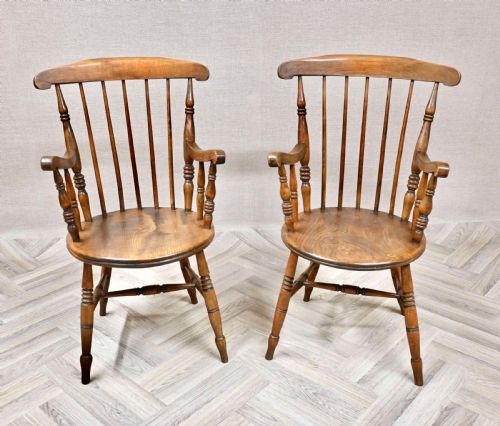
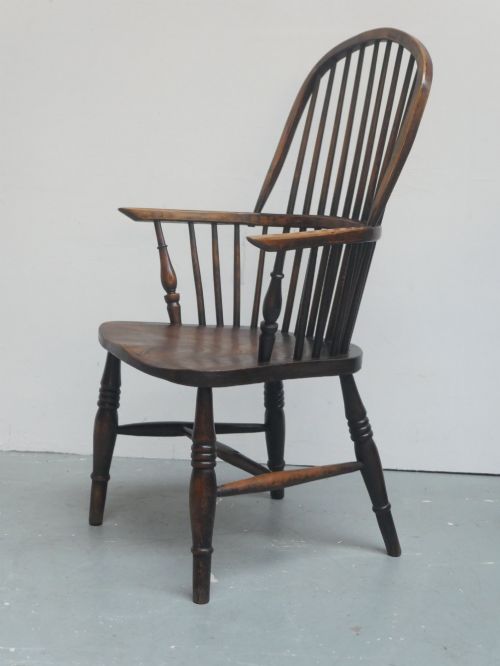
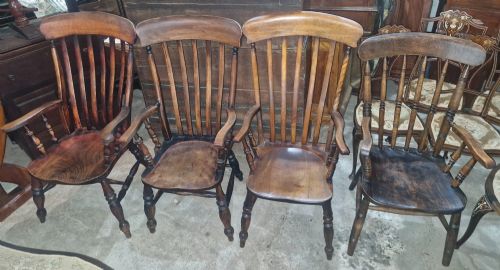
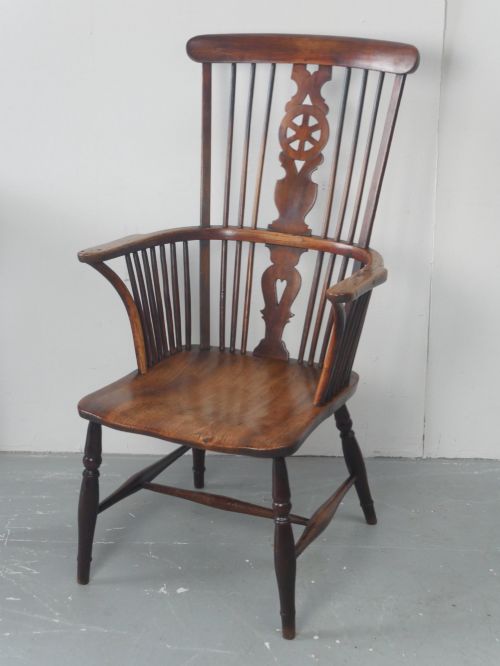
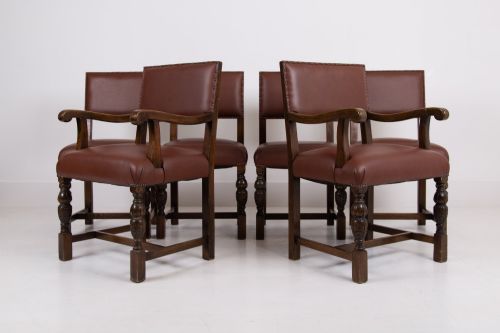
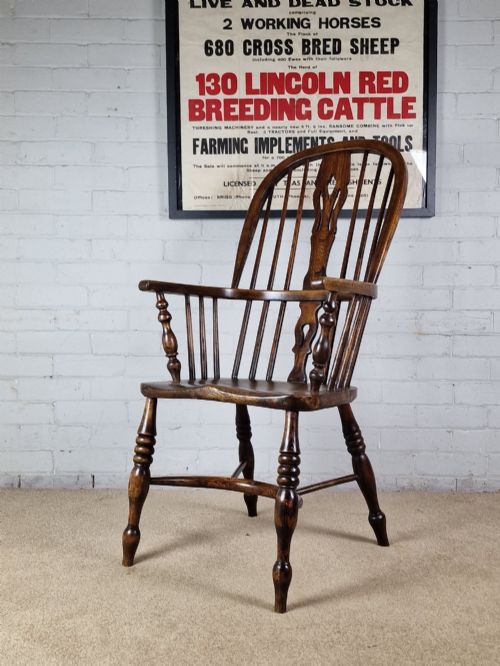
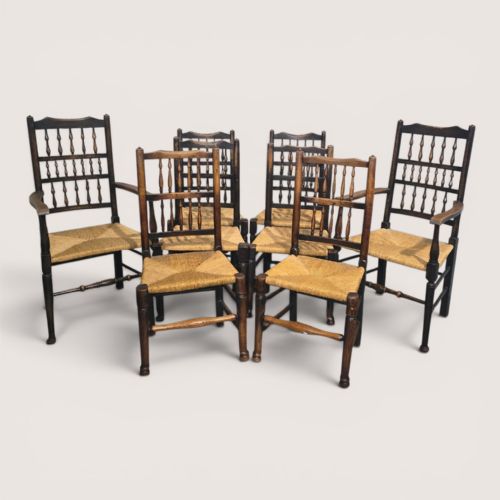
English oak carvers encompass substantial seating and architectural elements, ranging from early joined armchairs and Lancashire ladderbacks to country Windsors and Victorian Gothic revival pieces. The version most commonly encountered on this page is the sturdy farmhouse or kitchen armchair, often featuring a combination of woods alongside the primary timber.
The objects span multiple centuries, touching the seventeenth century through to the Edwardian period, with notable representation from the Victorian era and the Arts and Crafts movement. Regional forms appear frequently, including Thames Valley wheelbacks, South Yorkshire joined armchairs, West Country master armchairs, and Lincolnshire or East Anglian variants.
How they were made
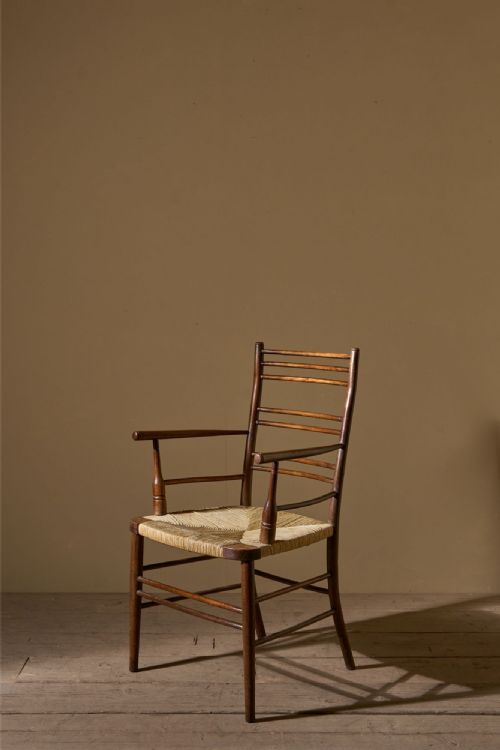
Construction relies heavily on native timbers such as oak, elm, ash, and beech, utilising traditional joinery like mortise and tenon frames alongside steam-bent components for Windsor bows. Seats are frequently shaped from a single solid plank of elm, or woven using natural rush to provide a resilient surface.
Details include turned spindles, carved overdoor panels, splat lathe backs, and barley twist supports, reflecting both vernacular simplicity and revivalist ambitions. Secondary materials such as leather, fabric, and brass hardware occasionally supplement the timber frames.
English Oak Carvers Retail Price Guide 2026
Typical asking prices for english oak carvers among the pieces listed under this phrase on Sellingantiques today, from the lower quarter to the upper quarter. They describe what is for sale here now, not the wider market.
What varies in quality
The distinction between ordinary and exceptional examples rests upon the integrity of the timber, the depth of regional character, and the preservation of original surfaces. Early joined pieces from the seventeenth century command attention through structural honesty and period-correct pegged joints.
Subtleties in turning quality, the sculptural shaping of elm seat dishes, and the balance of proportions in Windsor bows separate standard vernacular utility from finer workshop output.
Master Carver Edward Pearce
The English Oak Carvers Glossary
- Joined armchair
- A sturdy seventeenth-century seat constructed using mortise and tenon joints secured with wooden pegs rather than metal nails. These frames demonstrate early carpentry skills.
- Windsor chair
- A vernacular form featuring a solid wooden seat into which the legs and back spindles are directly bored. The design evolved into distinct regional variations such as wheelbacks and lathe backs.
- Spindleback
- A chair back constructed with a series of slender turned uprights. This lightweight structural approach appears across Lancashire and general country dining chairs.
- Rush seat
- A seating platform woven from dried marsh grass twisted into cords. It offers a resilient and pliable surface commonly found on country vernacular and Arts and Crafts chairs.
- Vernacular
- Objects made by local artisans following regional traditions rather than strict academic design patterns. These pieces prioritise practical utility and local material availability.
English Oak Carvers: Frequently Asked Questions
What defines an english oak carver?
An english oak carver is a substantial armchair intended for domestic or hall use, typically constructed with solid timber frames and supportive armrests. These pieces range from early joined seventeenth-century chairs to nineteenth-century farmhouse Windsors.
They reflect regional woodworking traditions across England, incorporating local timbers like elm, ash, and beech alongside primary oak structures to achieve durable everyday seating.
How were these chairs used?
These armchairs served primary roles at the head of dining tables, beside hearths, or as authoritative seating within country houses and farmhouses. Their robust construction accommodated heavy daily use by family heads or guests.
Many examples functioned as fireside or parlor chairs, where solid wooden seats and high backs offered protection from drafts in older buildings.
How do I live with them?
Integrating these chairs into modern interiors works best by treating them as sculptural focal points around a plain dining table or as standalone reading seats. Their natural timber tones complement neutral walls and textured fabrics.
Protecting the wood from direct heat sources and sudden humidity changes ensures the timber and traditional joinery remain stable over time.
How do I tell periods apart?
Seventeenth-century pieces display rigid rectilinear joined frames with pegged mortises and often feature carved panels or simpler geometric mouldings. Victorian and later revival pieces frequently adopt softer curves, barley twist turnings, or steam-bent Windsor components.
Examining the tool marks, timber shrinkage, and wear patterns on the seat undersides helps distinguish authentic early production from later nineteenth-century revival interpretations.