





English Naive Art
English naive art captures domestic animals, rural street scenes and provincial portraits with charmingly direct perspective, offering a refreshing break from academic polish.
English Naive Art
When you search for English naive art, you encounter a delightful variety of provincial oil paintings, timber carvings and framed wall art spanning several centuries.
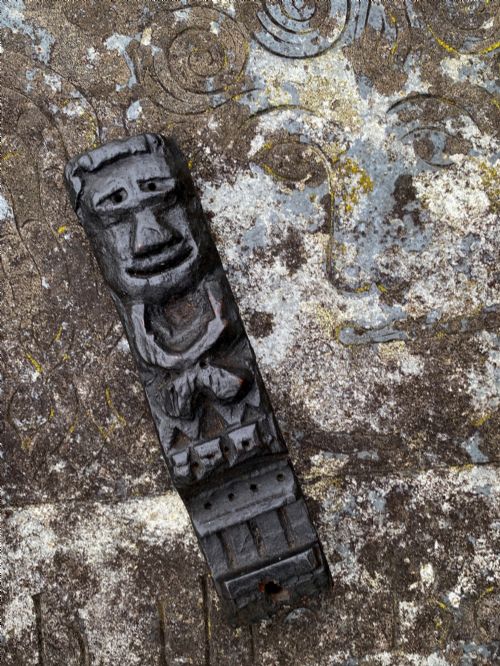
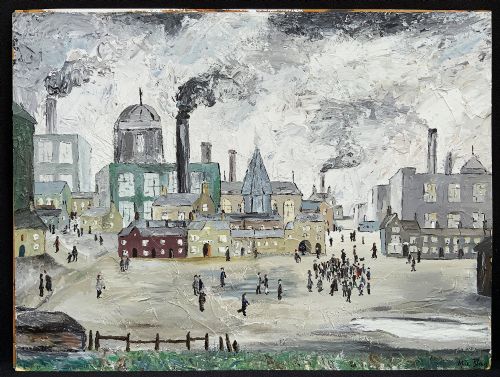
The pieces on this page lean heavily towards nineteenth century primitive works, alongside earlier Tudor folk art carvings and mid twentieth century industrial townscapes.
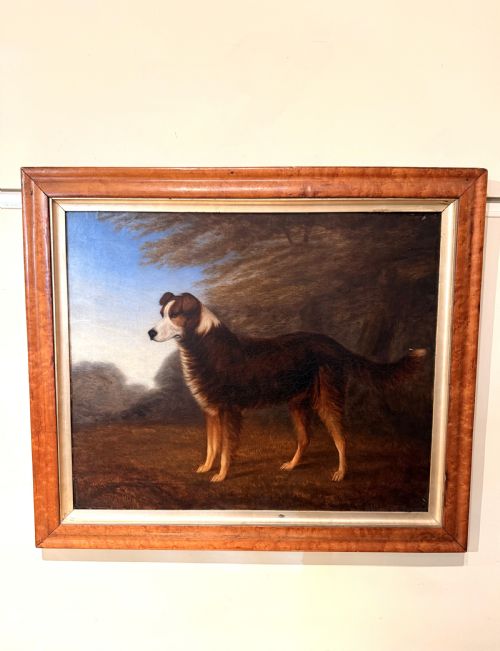
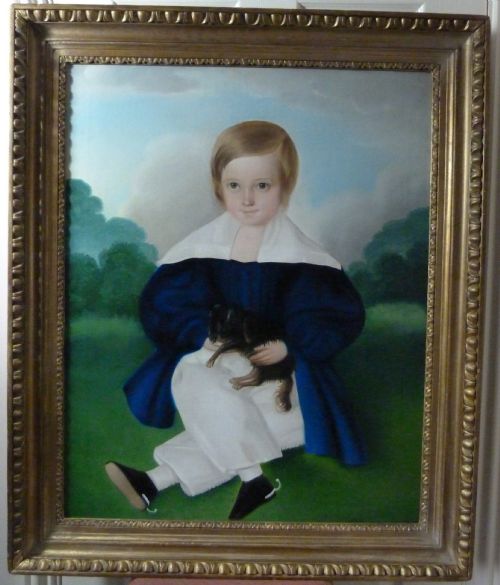
Subjects range from equestrian portraits and cattle in stables to topographical views of Sussex and intimate depictions of children with their pets.
Materials and Construction
Makers utilised oil paint applied directly onto canvas or wooden panels, creating textured surfaces that endure across the generations.
Architectural salvage pieces and timber carvings often feature solid oak, sometimes accented with gesso and gilt to add decorative weight.
English Naive Art Retail Price Guide 2026
Typical asking prices for english naive art among the pieces listed under this phrase on Sellingantiques today, from the lower quarter to the upper quarter. They describe what is for sale here now, not the wider market.
A border collie stares out from one canvas with such intensity that you might feel compelled to check if the sheep need rounding up.
Judging Quality
Quality rests upon the strength of the composition and the confident handling of paint rather than strict adherence to classical proportion.
Stronger works capture character and movement with immediacy, whereas lesser pieces can feel stiff or overly formulaic in their execution.
Gertrude Halsband·Fred Yates
The English Naive Art Glossary
- Primitive
- A descriptive term for art created outside academic traditions, often characterised by flat perspective and honest observation. It reflects a straightforward approach to form and space.
- Topographical
- Pertaining to the accurate representation of a specific place or landscape. These paintings serve as historical records of towns and villages.
- Provincial
- Originating from the regions rather than the capital, carrying local character and materials. It denotes regional independence in artistic style.
- Gesso
- A plaster mix used as a base for paint or gilt on wood and canvas frames. It provides a smooth surface for decorative details.
English Naive Art: Frequently Asked Questions
What is English naive art?
English naive art comprises paintings and carvings made by self-taught or provincial artists working outside mainstream academic traditions. These pieces focus on direct observation and local subjects rather than classical rules of perspective.
You will find everything from nineteenth century dog portraits to rural street scenes and architectural wood carvings among these listings.
How do I date these paintings?
Dating relies on the materials used, the style of clothing in portraits, and framing techniques. Canvas types and stretcher frames also change across the centuries.
Paintings from the nineteenth century often show distinct regional palettes and subject matter compared to earlier Tudor or Georgian examples.
Where should I hang these pieces?
These works suit country kitchens, dining rooms, and studies where their unpretentious charm can anchor a room. They mix well with both period antiques and modern minimalist interiors.
Ensure you keep them away from direct sunlight to protect the oil paint and canvas over time.
Are frames original?
Some pieces retain their period frames, such as ornate gilt surrounds from the nineteenth century, while others have been reframed later.
Examining the back of the frame and the canvas edges reveals whether the pairing is longstanding or a recent addition.