



English Lighting Fixture
An English lighting fixture brings period character to a room, combining functional illumination with traditional craftsmanship from the nineteenth and twentieth centuries.
English Lighting Fixture
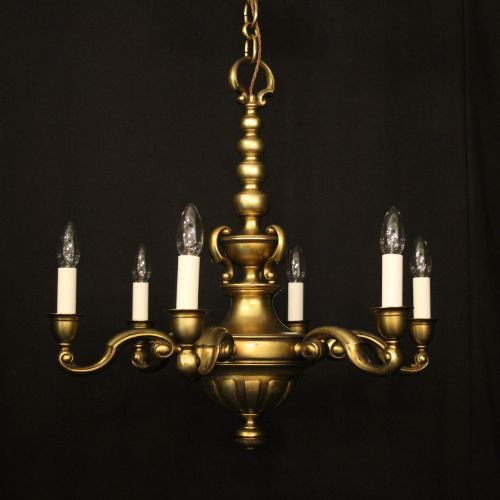
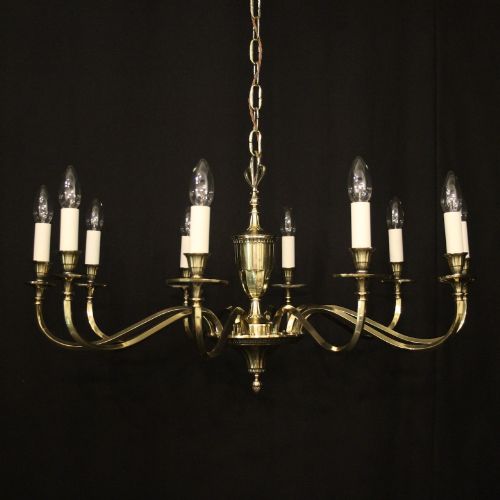
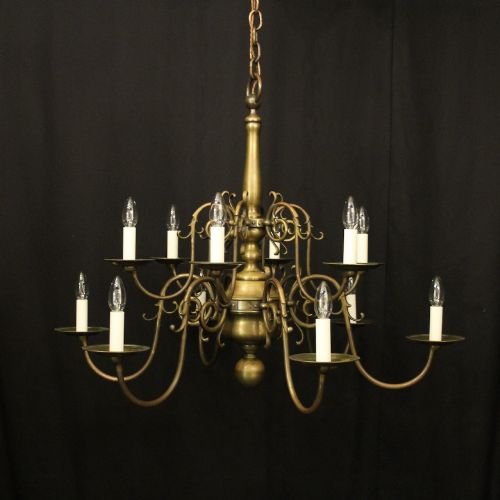
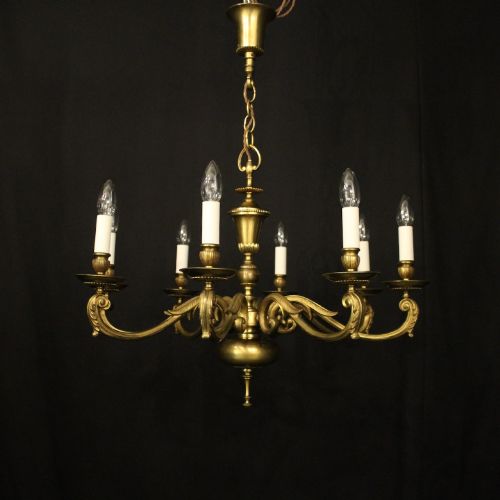
When you search for an english lighting fixture, you encounter a diverse array of chandeliers, pendant lights, wall lights, and lanterns spanning from the nineteenth century through the mid-century period. The selection on this page relies heavily on nineteenth-century pieces alongside early twentieth-century examples, incorporating styles such as Edwardian, Victorian, Regency, and Mid-Century Modern.
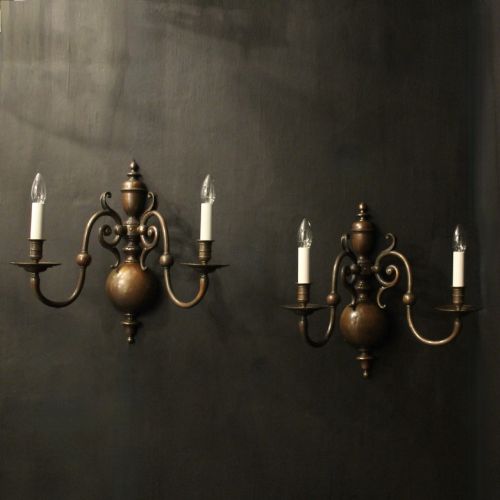
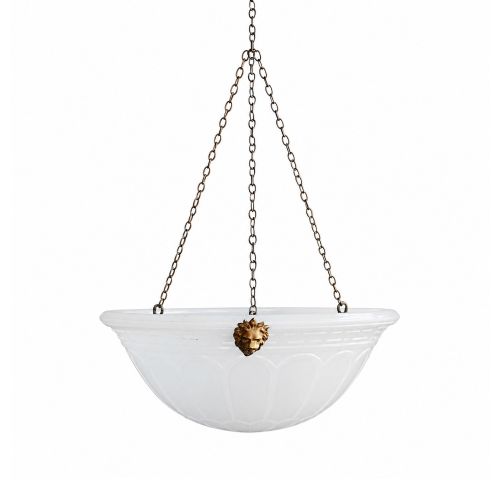
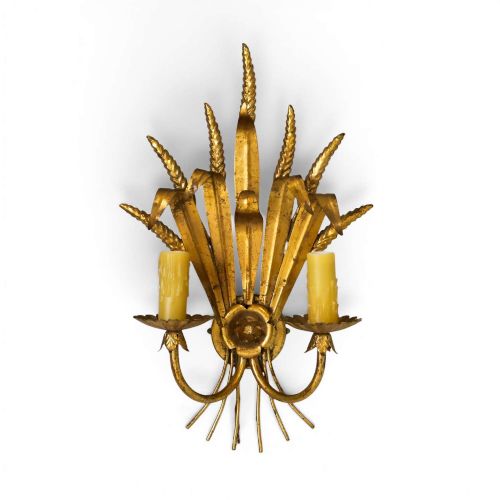
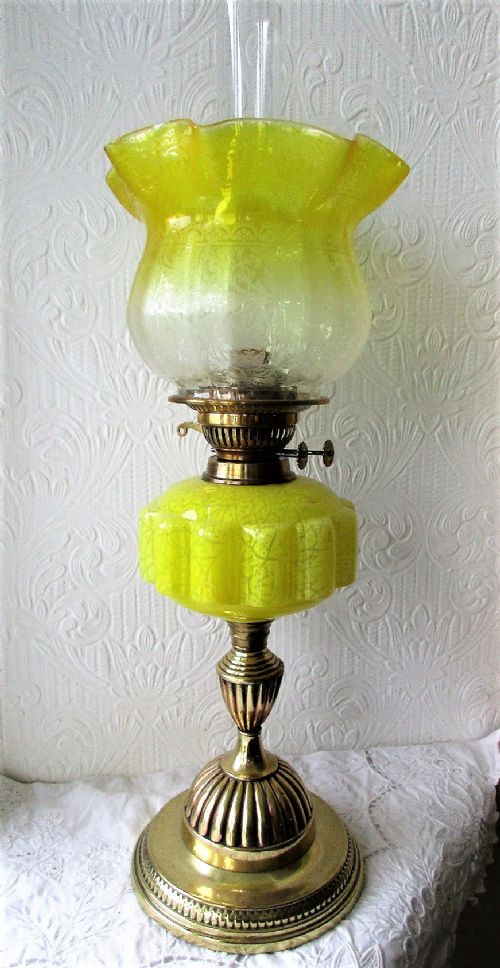
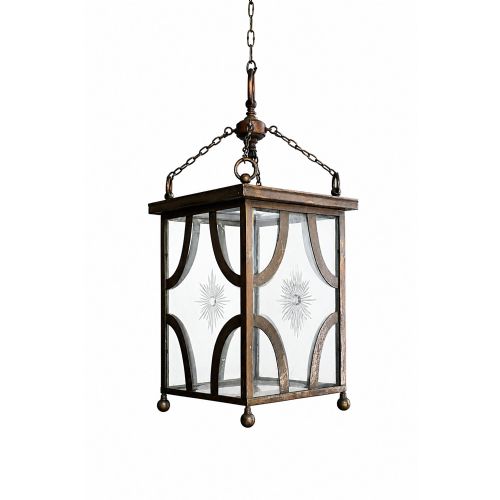
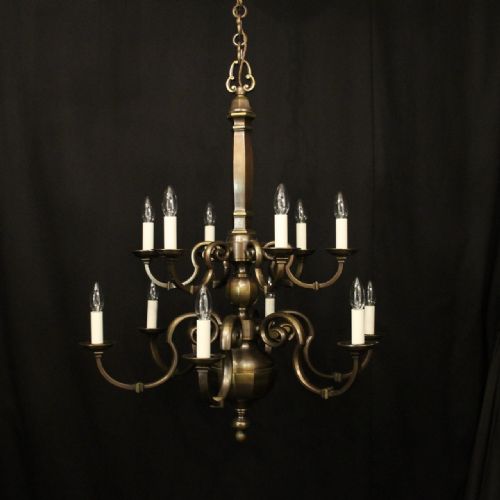
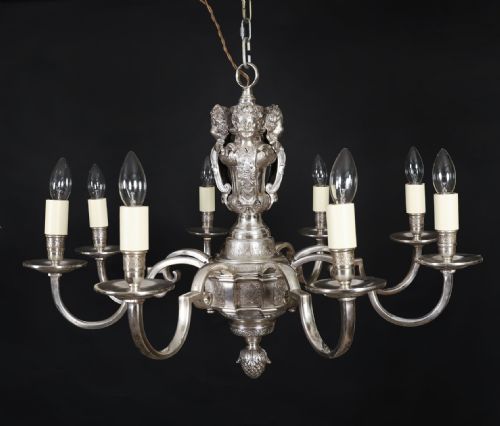
Chandeliers and multi-light fixtures dominate the offerings, ranging from modest twin-arm wall sconces to massive ballroom crystal chandeliers holding forty-one lights. Alongside these grand pieces, buyers frequently find specialised forms including pharmacy moonstone pendants, hallway lanterns, oil lamps, and dish ceiling lights.
The materials reflect a high degree of craftsmanship across domestic and public lighting solutions. Gilded brass, bronze, silver plate, cut glass, crystal, and moonstone glass appear repeatedly, grounding each piece in its specific period of manufacture.
How they were made
The construction of these pieces relies on metalworking techniques applied to brass, bronze, gilt metal, and silver plate to form structural frames, arms, and backplates. Foundries cast and chased these metals to produce multi-light chandeliers and wall sconces featuring detailed decorative elements.
Glass production played a vital role, utilising cut glass, lead crystal, and moonstone glass to diffuse or refract light. Artisans shaped glass into prismatic drops for tent and bag chandeliers, delicate bowls for dish lights, and robust shades for pharmacy pendants.
English Lighting Fixture Retail Price Guide 2026
Typical asking prices for english lighting fixture among the pieces listed under this phrase on Sellingantiques today, from the lower quarter to the upper quarter. They describe what is for sale here now, not the wider market.
Several grand fixtures manage to squeeze an astonishing forty-one lights into a single ballroom crystal chandelier.
What varies in quality
The calibre of metal casting and finishing distinguishes different tiers of these fixtures. Heavier bronze and gilded brass frames with finely chased details represent a higher standard of production than simpler stamped or plated metal alternatives.
The clarity and cutting of the glass components create a distinct hierarchy among pieces. Deeply cut crystal and high-grade lead glass refract light with greater brilliance than plain or pressed glass variants.
The English Lighting Fixture Glossary
- Chandelier
- A branched ceiling-mounted lighting fixture designed to hold multiple lamps or candles. These pieces often incorporate crystal drops or glass bowls to enhance illumination.
- Sconce
- A wall-mounted lighting fixture attached directly to a vertical surface. Examples in this inventory feature twin arms in brass or gilt metal.
- Moonstone glass
- An opaque, milky-white glass type used for shades and pendants. It diffuses light softly across spaces like pharmacies or hallways.
- Gilt bronze
- Bronze metal treated with a thin layer of gold. This technique provides a durable, lustrous surface finish seen on nineteenth-century chandeliers and lanterns.
English Lighting Fixture: Frequently Asked Questions
How do I choose the right size fixture?
Consider the scale of the room and the height of the ceiling when selecting between a massive ballroom chandelier and a compact wall sconce.
Matching the number of lights to the spatial requirements ensures adequate illumination without overwhelming the interior.
What periods do these fixtures cover?
The inventory spans the nineteenth century up to the mid-century modern era.
Common stylistic eras represented include Victorian, Edwardian, Regency, and Flemish Renaissance designs.
Are these fixtures wired for electricity?
Many period pieces have been adapted for modern electrical use while retaining their original aesthetic form.
Some items preserve earlier configurations, such as oil lamps or candle-branch setups, requiring careful inspection of the fitting details.
What materials are most common?
Brass, bronze, and silver plate form the primary structural frameworks for most of these antique lights.
Glass elements range from cut crystal drops and waterfalls to white alabaster and moonstone shades.