




English Landscape Platter
An english landscape platter brings the scenic views of nineteenth-century countryside directly to the table.
English Landscape Platter
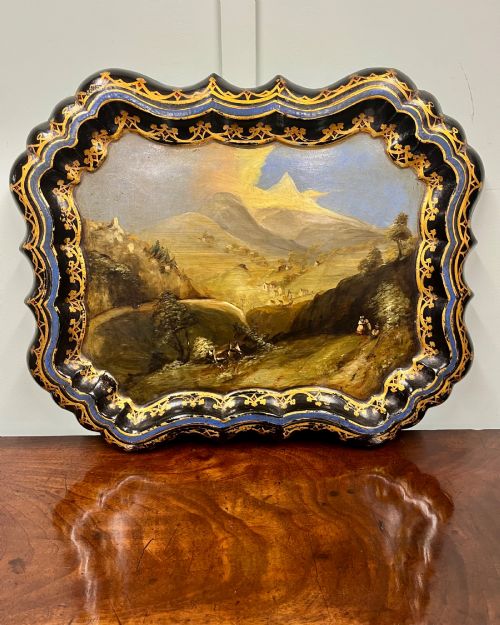
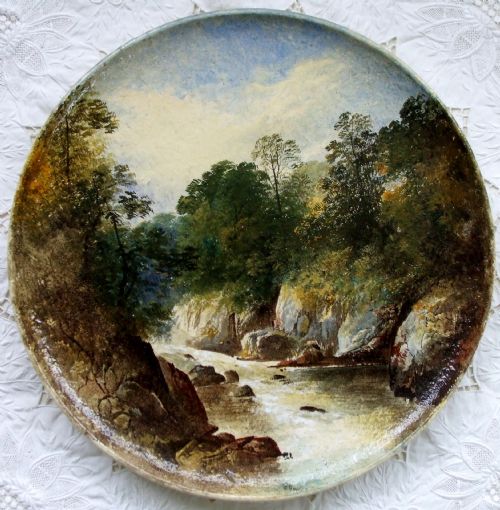
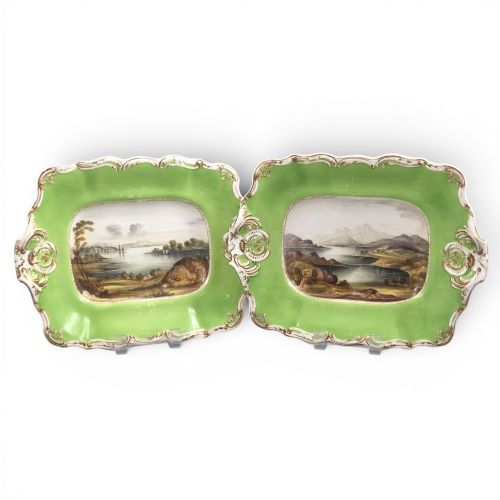
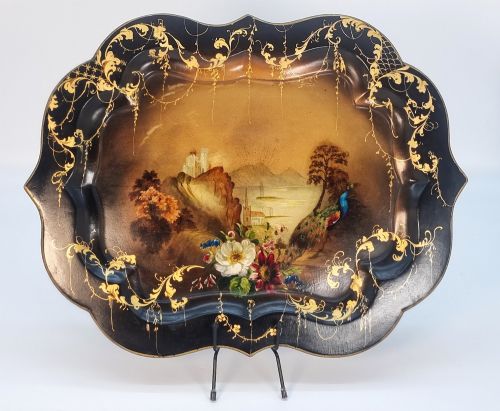
An english landscape platter combines functional tableware with pictorial scenes, capturing rural views upon ceramics and papier-mâché. Buyers seeking an english landscape platter will most commonly encounter nineteenth-century blue and white pottery and painted transferware.
The objects span serving dishes, platters, and decorative trays depicting specific geographical locations and architectural landmarks. Makers recorded these topographical views in detail, turning utilitarian dining pieces into pictorial records of the British landscape.
Materials and construction
Pottery pieces utilise earthenware and porcelain bodies finished with transfer-printed or hand-painted enamel decoration. Glaze seals the porous ceramic surface beneath intricate landscape scenes.
Alternative forms employ papier-mâché substrates built up from paper layers, then painted with detailed hunting scenes and highlighted with gold leaf.
English Landscape Platter Retail Price Guide 2026
Typical asking prices for english landscape platter among the pieces listed under this phrase on Sellingantiques today, from the lower quarter to the upper quarter. They describe what is for sale here now, not the wider market.
Assessing quality and execution
Quality rests upon the clarity of the transfer print or the skill of the hand-painted brushwork within the landscape. Crisp topographical detail and well-balanced composition distinguish superior pieces.
The precision of the ceramic body and the richness of the underlying glaze contribute significantly to the overall presence of the dish.
Copeland Pottery·Copeland and Garrett·Coalport Porcelain·Hicks Meigh and Johnson·Spode·Royal Doulton·Minton·Mason·Jennens and Bettridge
The English Landscape Platter Glossary
- Transferware
- Pottery decorated by applying a printed design from an engraved copper plate onto the ceramic surface. This technique allowed for intricate landscape scenes to be replicated consistently.
- Papier-mâché
- A durable composite material made from paper pulp or sheets mixed with glue, moulded and painted. It served as a lightweight base for decorative serving trays.
- Sauce tureen stand
- A small dish designed to support a gravy container and catch drips. These often shared the landscape patterns of larger platters.
- Earthenware
- A permeable type of pottery fired at lower temperatures, commonly glazed to ensure it held liquids. Many nineteenth-century serving dishes relied on this practical ceramic body.
English Landscape Platter: Frequently Asked Questions
How do I clean an antique platter?
Wash ceramic platters gently by hand using lukewarm water and mild soap to protect the glaze and painted decoration.
Avoid soaking papier-mâché pieces entirely, wiping them carefully with a dry or barely damp cloth instead.
Are these platters safe for food use?
Nineteenth-century glazes can contain components that are unsuited for modern food contact, particularly acidic items. It is generally safer to display these items or use them solely for dry presentation.
Examine the surface glaze closely for wear before considering any culinary use.
How do I date an english landscape platter?
Examine the maker marks stamped or printed on the underside, alongside the characteristics of the ceramic body. Stylistic clues within the landscape painting also help narrow down the decade.
Transfer-printed patterns often correspond to specific registration dates or operational periods of the pottery.
Can I hang these trays on a wall?
Platters and plates can be displayed using specialised wall hangers that distribute the weight evenly without damaging the rim. Ensure the mounting hardware is securely fixed.
Papier-mâché trays require particular care with hanging due to their lighter, composite structure.