




English Keepsake Chest
These English keepsake chest pieces span centuries of fine timber and metalwork, offering a secure home for your most treasured personal belongings.
English Keepsake Chest
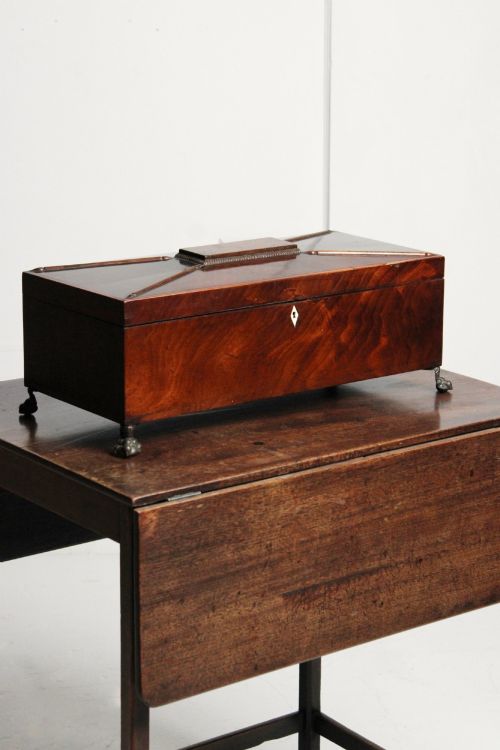
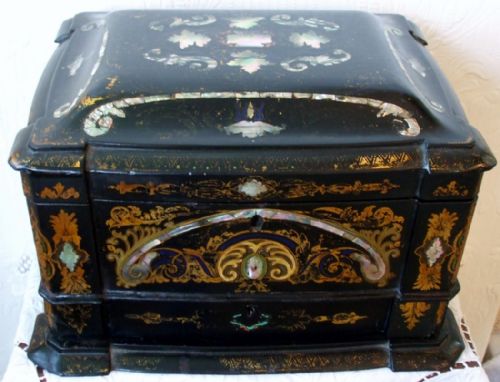
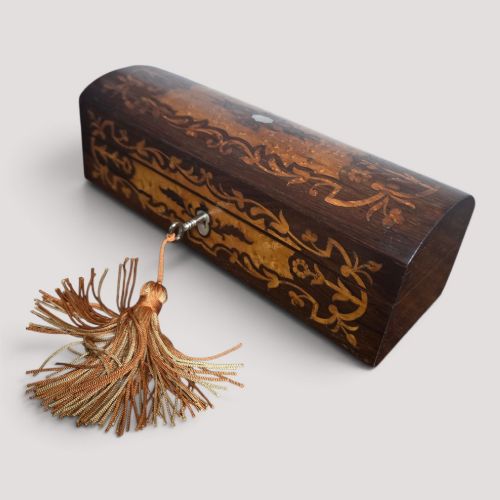
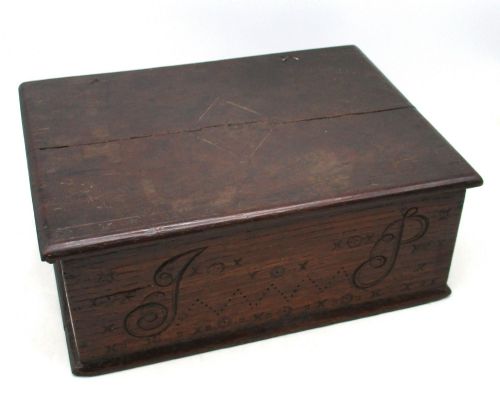
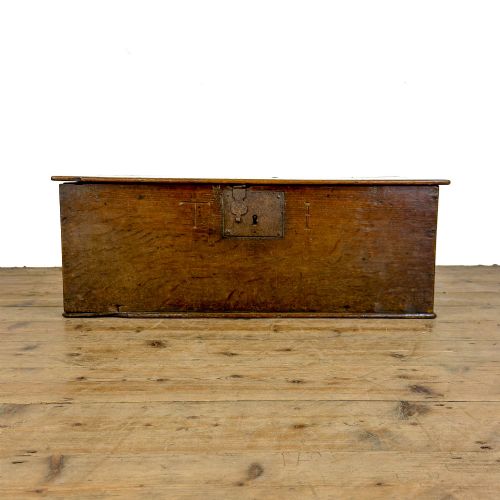
An English keepsake chest gathers a rich variety of small storage forms, from early carved oak bible boxes to Regency coromandel stationery cases and Victorian Tunbridge ware trinket boxes. You will frequently encounter compact wooden document cases and specialised containers designed to hold letters, jewellery, or personal valuables.
The materials reflect centuries of British craftsmanship, utilising sturdy timbers like oak alongside exotic woods such as coromandel, mahogany, and rosewood. Metal examples in steel, brass, and sterling silver provide robust alternatives for deed storage and secure domestic organisation.
Dated pieces trace a fascinating evolution through the seventeenth, eighteenth, nineteenth, and early twentieth centuries. Each period brings distinct construction methods and decorative styles, ranging from austere early oak to ornate mosaic inlay and hand-painted surfaces.
Materials and Construction Techniques
Joinery relies heavily on solid timber construction, particularly oak panels, mahogany, and richly grained walnut. Artisans also employed decorative veneers and intricate inlays using boxwood and mosaic work to adorn the exterior surfaces.
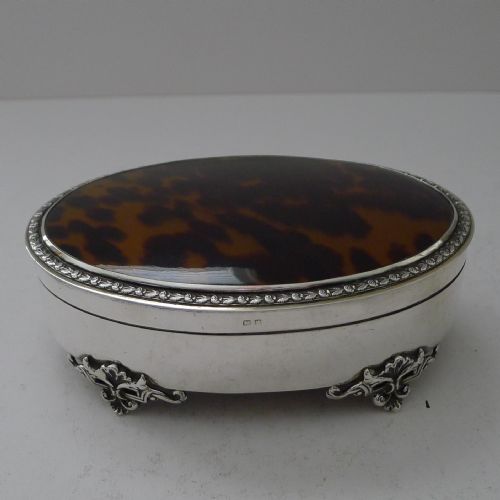
Metal components such as brass, bronze, iron, and steel provide both structural integrity and secure locking mechanisms. Sterling silver and tortoiseshell additions elevate select pieces into luxury items meant for prominent display.
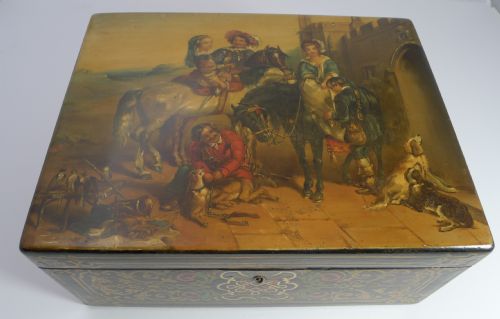
Surface decoration encompasses hand-carved detailing, painted finishes, and specialised micro-mosaic techniques like Tunbridge ware. Interior fittings are frequently lined and divided to accommodate specialised items like jewellery and documents.
English Keepsake Chest Retail Price Guide 2026
Typical asking prices for english keepsake chest among the pieces listed under this phrase on Sellingantiques today, from the lower quarter to the upper quarter. They describe what is for sale here now, not the wider market.
Some nineteenth-century boxes include hidden secret drawers, designed to outsmart inquisitive guests and safeguard truly private notes.
Factors That Distinguish Quality
The refinement of the surface decoration and the precision of the inlay set superior examples apart from simpler utilitarian boxes. Fine execution in mosaic work, carving, or hand-painted detail indicates skilled workmanship.
The integrity of the construction and the preservation of original internal fittings significantly influence the character of each piece. Intact secret compartments, original locks, and well-preserved linings demonstrate careful historical stewardship.
The choice of materials also marks gradation in tier, moving from utilitarian iron and steel deed boxes to luxurious coromandel, tortoiseshell, and sterling silver creations.
Jennens & Bettridge
The English Keepsake Chest Glossary
- Bible box
- A sloping-lidded wooden container originally made to store sacred texts and writing materials. These sturdy oak pieces date predominantly to the seventeenth and eighteenth centuries.
- Tunbridge ware
- A distinct form of British woodworking featuring intricate mosaic patterns made from tiny wood blocks of various natural colours. It reached great popularity during the Victorian era on small boxes.
- Coromandel
- A dense, heavily grained tropical Asian hardwood prized for its dark brown colour and dramatic figuring. It was frequently used for luxury nineteenth-century stationery and keepsake cases.
- Caddy
- A small box or chest originally designed for storing tea leaves under lock and key. Many surviving examples display fine wood veneers and partitioned interiors.
- Deed box
- A robust storage container, often fashioned from steel or oak, built to protect legal documents and important family papers. They frequently feature fall-front designs and reliable locking mechanisms.
English Keepsake Chest: Frequently Asked Questions
What were keepsake chests used for?
These boxes served multiple domestic purposes, acting as secure receptacles for family bibles, private correspondence, legal deeds, and personal currency. Their internal compartments allowed owners to keep small valuables organised and protected from dust and damage.
Over time, many evolved into decorative dressing table accessories or specialised cases for holding delicate jewellery and keepsakes. They combined practical daily utility with the display of fine craftsmanship in private rooms.
How do I care for wooden keepsake boxes?
Keep wooden boxes away from direct sunlight and extreme fluctuations in temperature or humidity to prevent timber warping and veneer cracking. Gentle dusting with a dry, soft cloth preserves the polished surface without stripping historic patination.
Avoid using modern liquid polishes or harsh chemical cleaners on antique finishes, particularly those with delicate inlays or painted details. Wax polishing applied very sparingly can help maintain the moisture balance of older hardwoods.
How can I tell the period of a box?
Examine the construction methods, such as dovetailing, hinge types, and joinery, which changed noticeably from the seventeenth century through the Edwardian era. Early pieces often feature hand-sawn boards and pegged joints, while later nineteenth-century examples display more uniform machine-assisted work.
Material choices and decorative styles also provide strong chronological clues. For instance, heavy carved oak points toward the seventeenth or eighteenth centuries, whereas mosaic Tunbridge ware and coromandel firmly suggest the Victorian or Regency periods.
Where should I place a keepsake box at home?
These compact pieces fit well on dressing tables, mantelpieces, sideboards, or designated display desks where their decorative exteriors can be appreciated. Their modest footprint makes them versatile additions to both traditional and contemporary interiors.
Position them on stable surfaces away from active heat sources like radiators to safeguard sensitive materials such as tortoiseshell, ivory, or fine veneers. Using them to store modern treasures continues their original domestic function.