


English Hearth Basket
An English hearth basket holds solid fuel by the fireplace, offering a sturdy and practical vessel for logs or coal.
English Hearth Basket
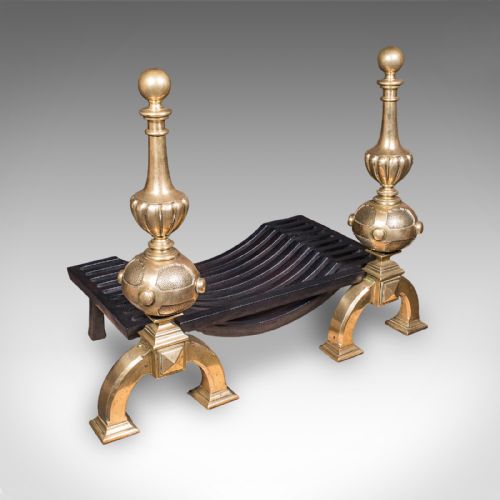
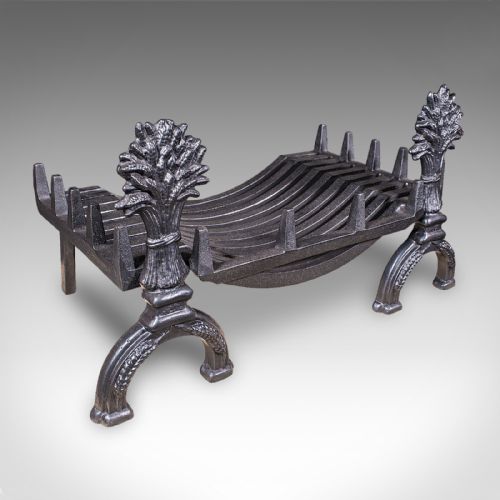
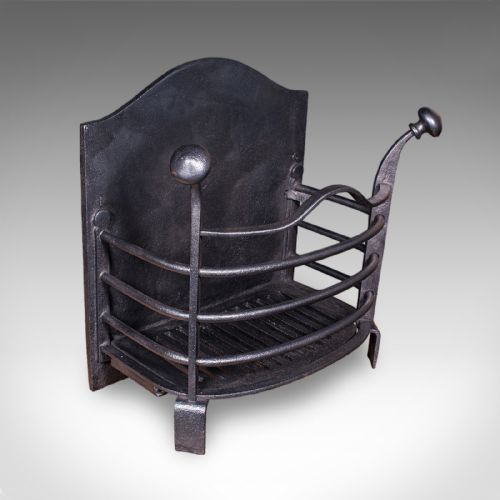
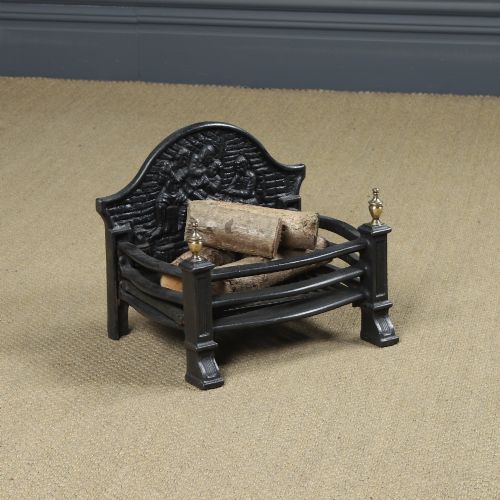
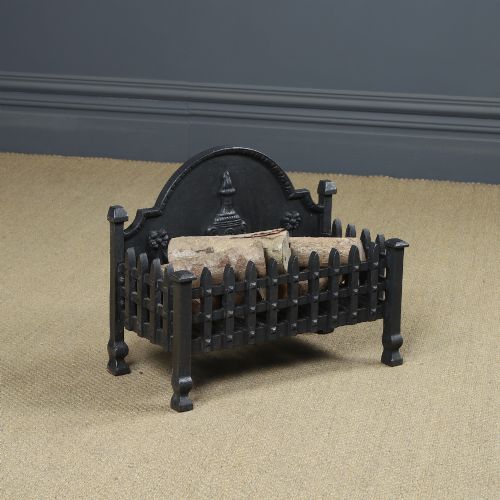
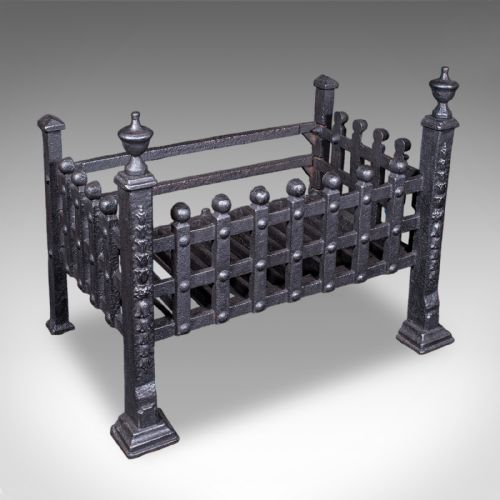
An english hearth basket serves the domestic fireplace, holding logs, coal, and kindling beside the fire. These functional pieces appear in various forms across this selection, including log baskets, coal bins, and open fire grates.
The pieces on this page span several periods, with Victorian examples appearing most frequently alongside Edwardian and Georgian items, plus later pieces referencing 18th-century styles. Object types range from freestanding grates and fireside accessories to coal scuttles and planters.
Makers and manufacturers are not named in the titles, leaving the focus entirely on the period materials and forms. Buyers encounter wrought iron, cast iron, brass, and copper constructions designed for daily hearthside use.
How they were made
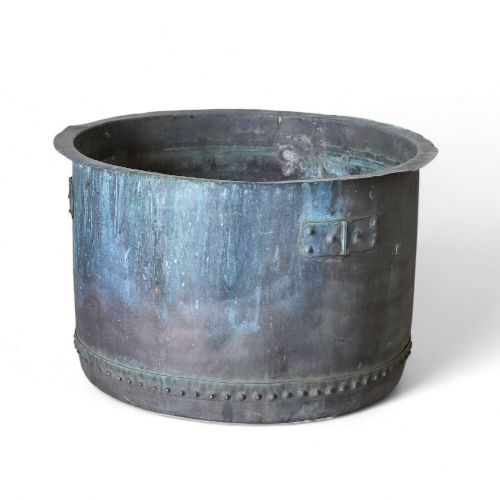
Blacksmiths and metalworkers shaped these objects using cast iron, wrought iron, brass, and copper. Pieces such as copper planters and scuttles often feature hand-riveted construction, while grates utilise heavy cast or wrought iron to withstand intense heat.
Materials like oak and firebrick appear alongside the metals, supporting the structural requirements of grates and fuel stores. Surfaces show natural patinas from age and use, particularly on the hand-riveted copper vessels.
Listings span the Victorian, Edwardian, and Georgian periods, alongside twentieth-century items built in earlier styles.
What varies in quality
Quality shows in the weight and thickness of the metal, from heavy cast iron grates to substantial hand-riveted copper bodies. Pieces with integrated sets, such as matching andirons or fire tools, display a more considered design unity.
The refinement of period styles, spanning Gothic Revival, Neoclassical, Regency, and Art Nouveau, dictates the visual sophistication of the metalwork. Finer examples maintain structural integrity across joints and handles while retaining honest surface patination.
The English Hearth Basket Glossary
- Cast iron
- Molten iron poured into a mould to create solid fire grates and baskets. This material handles high temperatures reliably.
- Wrought iron
- Iron beaten and worked by hand into structural shapes and decorative hearth baskets. It provides tough, fibrous strength.
- Andiron
- A horizontal metal support raised on legs, placed in a hearth to hold logs above the floor. They frequently accompany fire baskets.
- Coal scuttle
- A metal bucket or basket designed to hold and carry coal to the fire. Many examples utilise copper or brass.
- Gothic revival
- A design style drawing on medieval architectural motifs. This aesthetic influences several of the cast iron fire grates.
English Hearth Basket: Frequently Asked Questions
What is an english hearth basket used for?
These vessels hold fuel such as logs, coal, or kindling directly beside the fireplace for easy access during burning.
Some variations also function as open fire grates that sit within the hearth to contain the fire itself.
How do I clean a copper coal basket?
Cleaning depends on whether you prefer to keep the aged patina or polish the metal surface. Warm soapy water removes soot and dust safely.
Abrasive cleaners alter the natural finish, so gentle wiping preserves the historical character of the piece.
Are these baskets meant for open fires?
Pieces designated as fire grates or baskets are built from cast or wrought iron to hold burning fuel safely.
Other items like coal bins and scuttles are strictly storage containers and should not contain active fires.
How do I date a Victorian hearth basket?
Dating relies on the recorded period details, materials like hand-riveted copper, and stylistic cues such as Art Nouveau or Gothic Revival motifs.
Construction methods also provide clues, distinguishing mid-nineteenth-century wrought ironwork from later twentieth-century revivals.