




English Georgian Portraiture
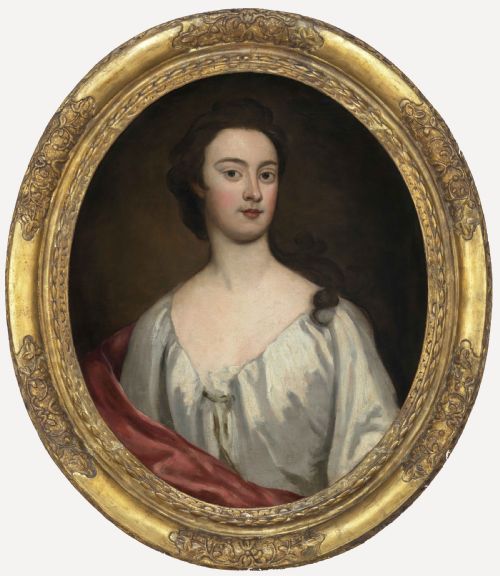
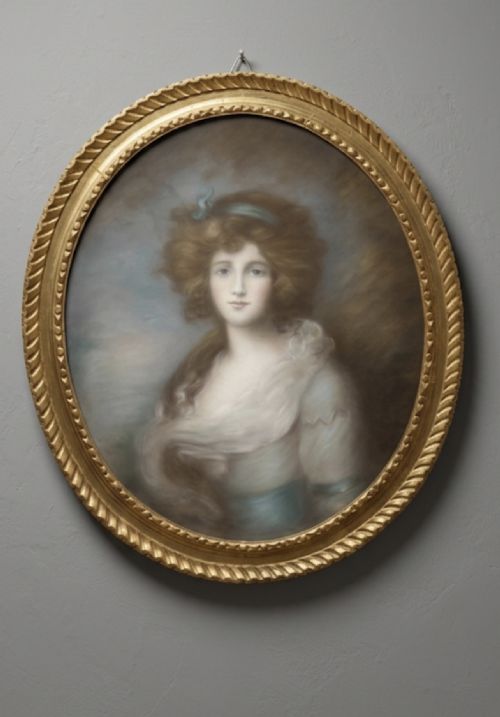
English georgian portraiture captures sitters from the eighteenth and early nineteenth centuries in oil on canvas, pastel, and watercolour.
English Georgian Portraiture
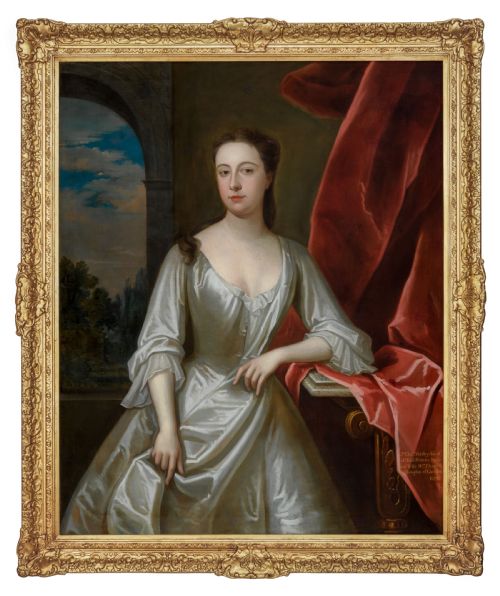
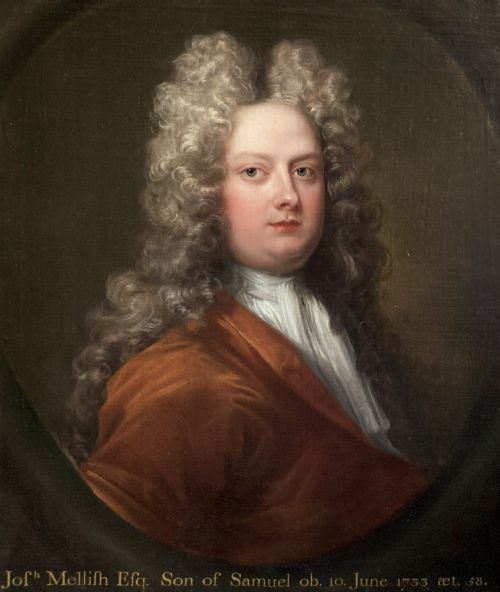
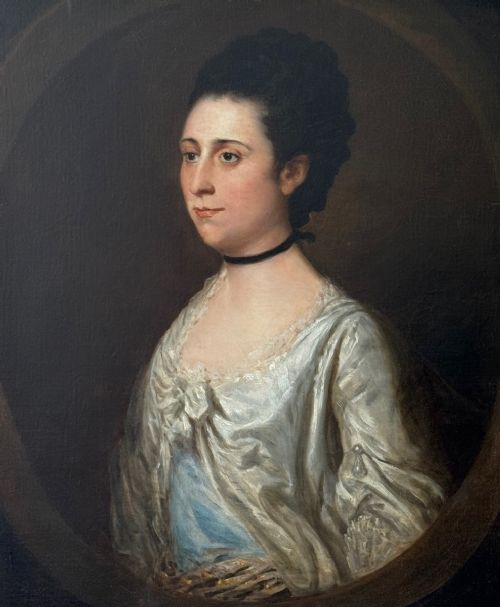
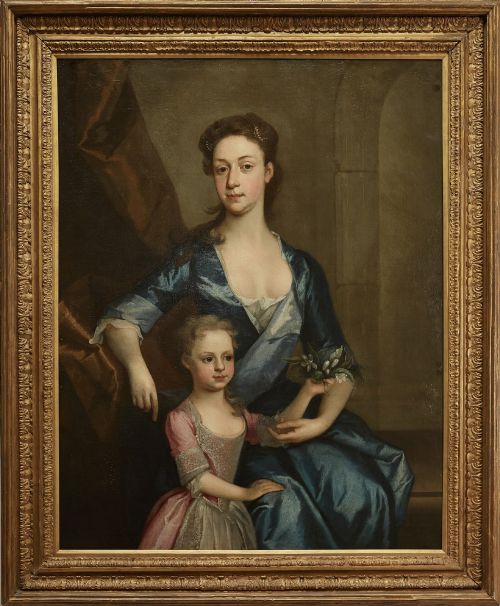
When you search for english georgian portraiture, you encounter oil paintings, watercolours, and pastels depicting gentlemen, ladies, and children from the seventeenth century through the regency period.
The works span British Baroque, English School, and Regency styles, ranging from intimate depictions of young family members to formal portrayals of named individuals.
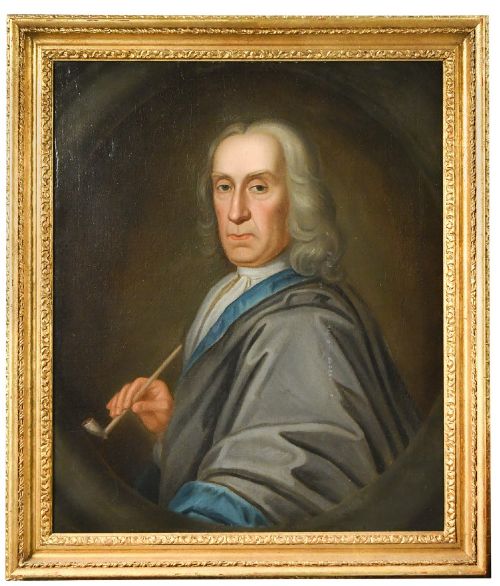
Most examples found here date from the eighteenth century, frequently rendered in oil on canvas and occasionally housed in period giltwood frames.
Materials and Technique
These portraits rely primarily on oil paint applied to woven canvas surfaces, though paper is utilised for works executed in pastel or watercolour.
Makers shaped compositions using traditional layering of pigments to capture the textures of crimson coats, white dresses, and silk bonnets.
Original surrounds typically consist of carved giltwood frames that complement the depth and presence of the painted canvas.
One gentleman here is immortalised holding a specialised pelican tooth extractor.
Assessing the Standard
The handling of drapery and background details, such as marble tables or landscape glimpses, dictates the visual weight of the composition.
Condition of the pigment layer and the survival of the original or period-appropriate frame influence the overall integrity of the piece.
Sir Godfrey Kneller·Charles Jervas·Thomas Beach·Jeremiah Davison·Joseph Highmore·John Hamilton Mortimer·Tilly Kettle·Robert Byng·Enoch Seeman·Francis Alleyne·George Henry Harlow·John E Fernley
The English Georgian Portraiture Glossary
- British Baroque
- A painting style prevalent in Britain from the late seventeenth to mid-eighteenth century, characterised by drama and grand scale. It often depicts sitters in rich attire with theatrical drapery.
- Canvas
- The heavy woven fabric stretched across a wooden stretcher to form the foundation for oil paintings. Linen was commonly utilised during the Georgian era.
- Giltwood
- Timber carved and coated with a thin layer of gold leaf. Frames of this material are frequently paired with eighteenth-century portraits.
- Regency
- The period of British history spanning the early nineteenth century, noted in portraiture for softer lighting and simpler, more naturalistic costume.
- Pastel
- A medium consisting of powdered pigment mixed with a binder and pressed into sticks. Pastels on paper offer a delicate surface requiring glass protection.
English Georgian Portraiture: Frequently Asked Questions
How do I date an antique portrait?
Dating relies heavily on the sitter's costume, hair styling, and the cut of their coat or dress. Inscribed dates, labels on the reverse, and stylistic markers of the school offer further confirmation.
Paint pigments and canvas preparation also shift over decades, helping to anchor works within the broader georgian and regency eras.
Where were these paintings displayed?
Georgian portraits hung primarily in the reception rooms, galleries, and staircases of country houses and town residences. They served to record lineage, status, and family alliances.
Smaller works on paper and pastel portraits were often kept in private parlours or bedchambers for more intimate viewing.
What is an English School painting?
The term English School denotes an artwork created by an artist working within Britain whose specific identity remains unrecorded or attributed by style. These pieces reflect the dominant techniques of their period.
Many fine portraits emerged from regional workshops operating under this umbrella designation without bearing a signature.
How should I care for oil on canvas?
Keep portraits away from direct sunlight, extreme temperature fluctuations, and damp environments to protect the canvas and paint layers. Dust gently with a soft, dry cloth without pressing on the surface.
Professional cleaning and conservation should be left to specialists when varnish yellows or canvas slackens.