
English Georgian Occasional Table
Discovering an original english georgian occasional table brings practical utility and period craftsmanship into a room.
English Georgian Occasional Table
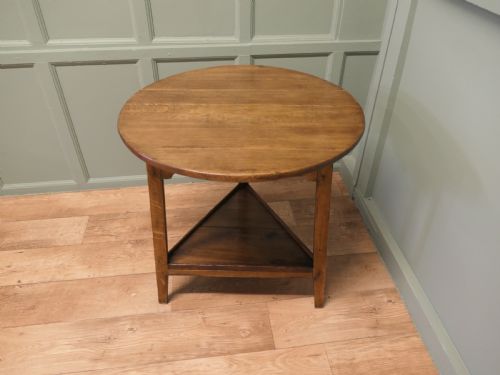
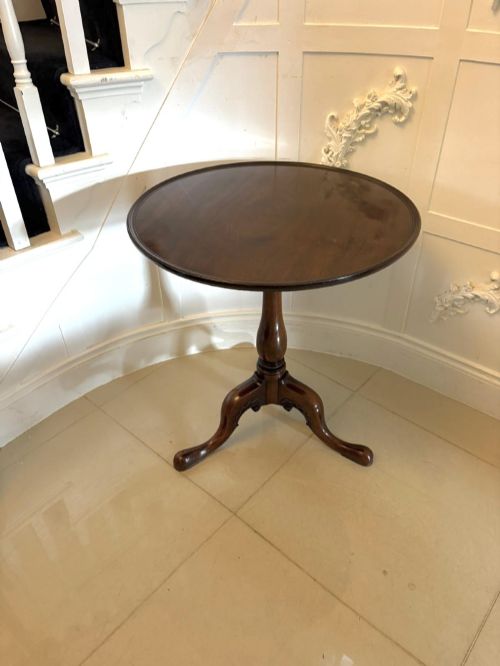
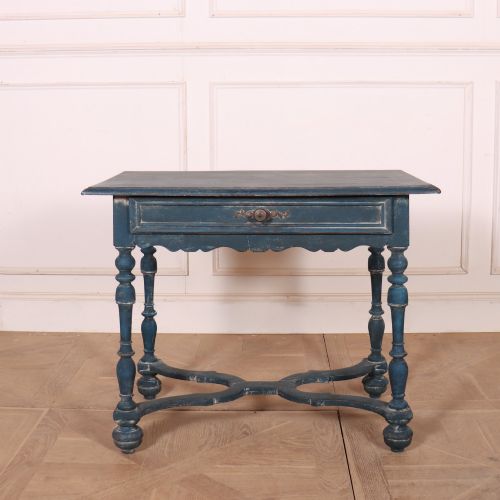
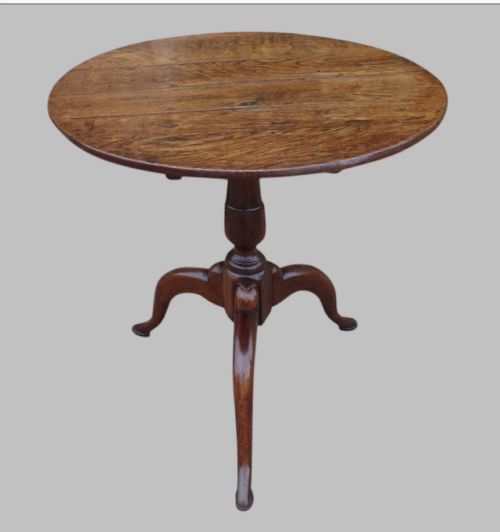
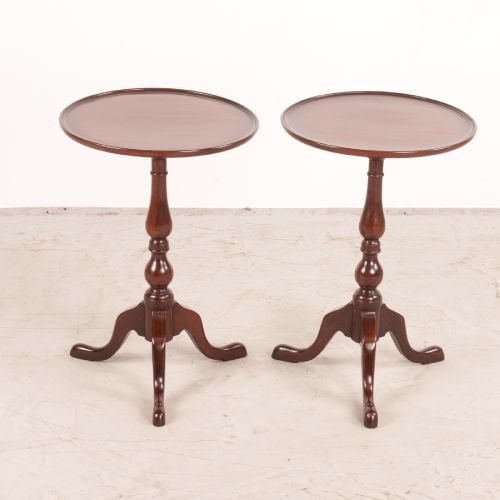
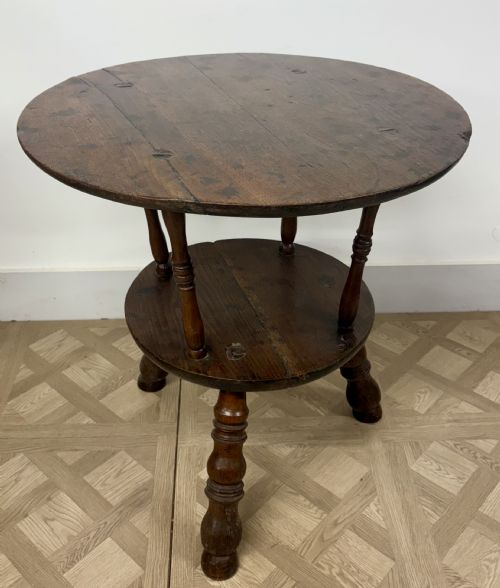
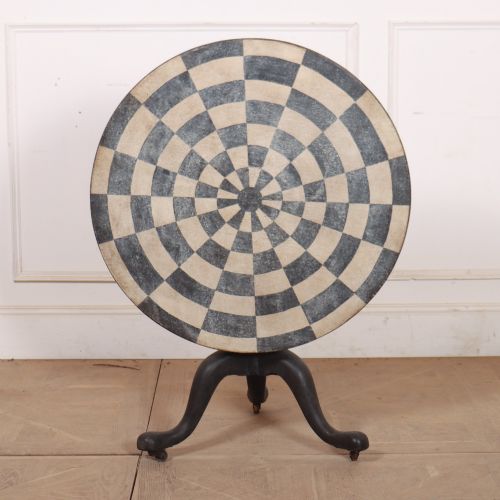
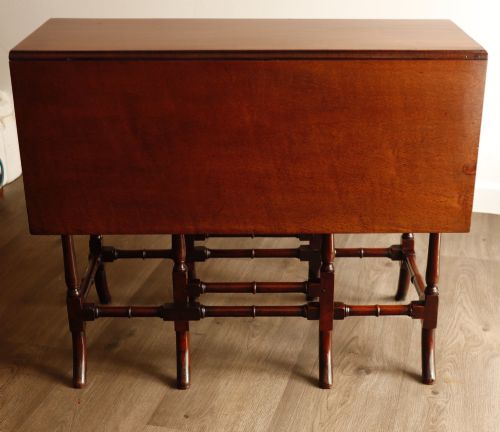
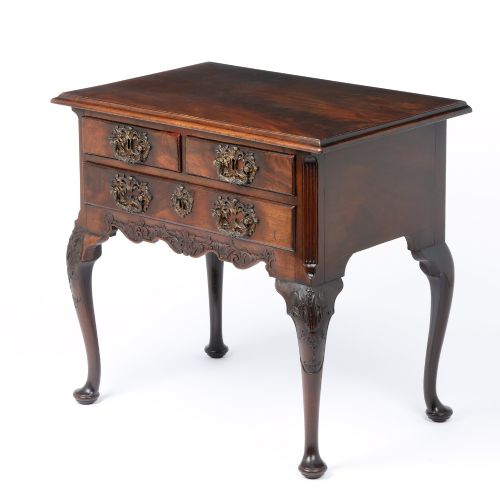
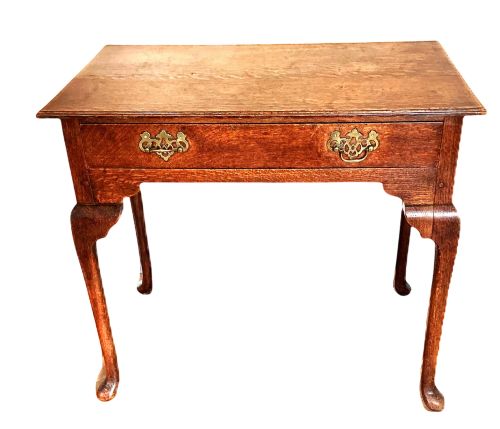
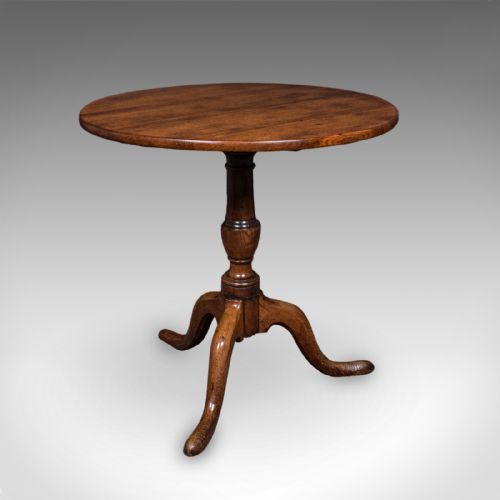
An english georgian occasional table encompasses a diverse group of portable furniture designed for specific domestic tasks throughout the eighteenth and early nineteenth centuries. The selection includes tripod wine tables, drop-leaf pembroke tables, multi-tiered cricket tables, and lowboys intended for writing or serving.
Materials and construction
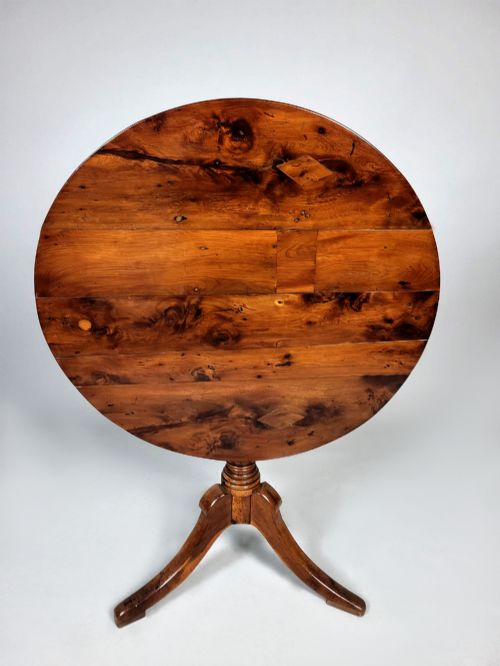
Cabinet makers utilised native timbers such as oak, elm, fruitwood, and yew alongside imported hardwoods including mahogany, rosewood, and satinwood. Secondary woods frequently included beech and pine for internal framing and drawer construction.
Joinery methods involved traditional techniques like mortise and tenon joints for provincial frames, dovetailing for drawer boxes, and specialised turning for pedestal columns and spider legs. Surface decoration incorporated tilt-top mechanisms, brass hardware, string inlay, cross banding, and paint.
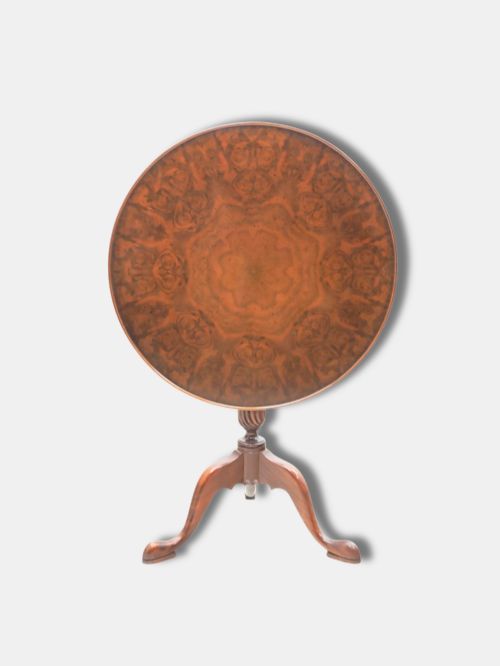
Many tripod wine tables feature clever birdcage mechanisms beneath the top, allowing the surface to both tilt and rotate.
Evaluating quality and proportion
Quality reveals itself in the selection of timber grain, such as figured flame mahogany or dense quartersawn oak, paired with balanced proportions and slender turning. Superior examples maintain original surface patination, tight joints, and functional mechanisms like smooth tilting actions or operating drawers with keys.
Lower tiers of the range often involve replacement hardware, heavy repairs to pedestals, or mismatched secondary timbers from later restorations. The integrity of the original construction and the crispness of carved details, such as pie crust edges or string inlay, dictate the standing of a piece.
The English Georgian Occasional Table Glossary
- Tripod table
- A small freestanding table supported by a central pillar and three splayed legs. These agile pieces functioned as tea, wine, or lamp stands.
- Pembroke table
- A drop-leaf table featuring hinged flaps on opposing sides and frequently a single drawer. They offered flexible surface area for writing or breakfasting in morning rooms.
- Cricket table
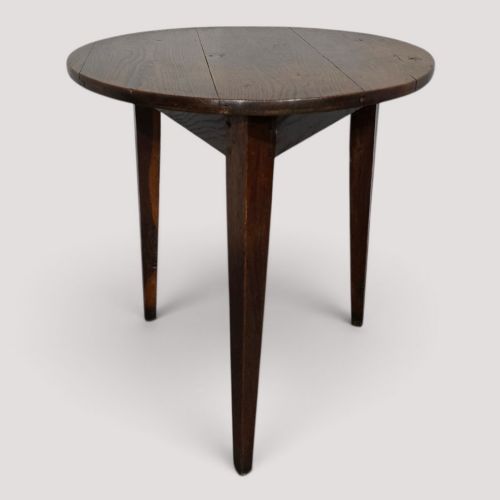
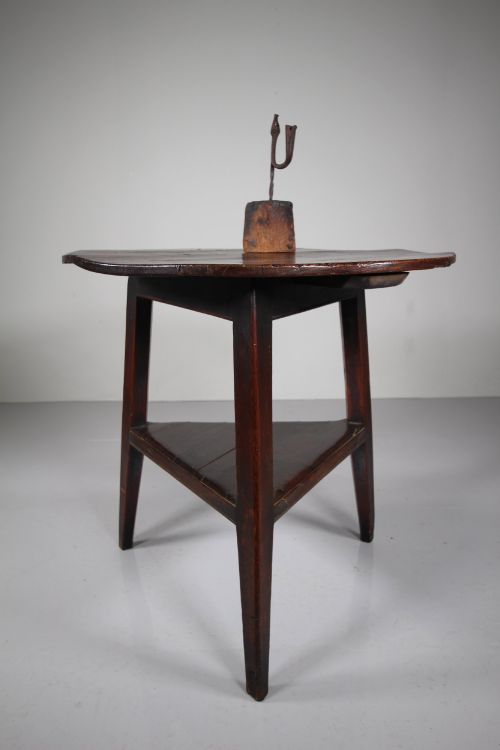
- A small circular wooden table supported by three high legs, traditionally associated with English country vernacular furniture. They often incorporate lower shelf tiers.
- Lowboy
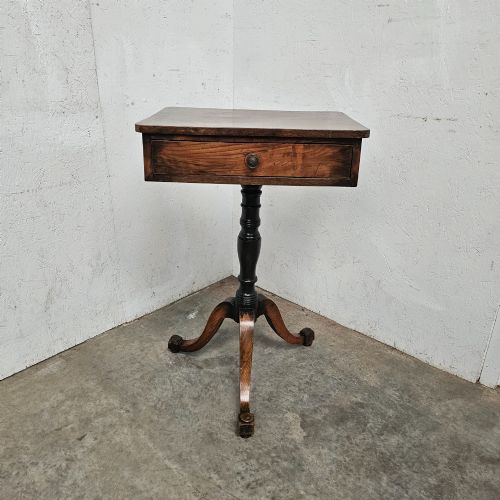
- A small side table or dressing table featuring one or more rows of drawers beneath the top surface. Provincial examples in oak or fruitwood served multiple hallway and writing functions.
English Georgian Occasional Table: Frequently Asked Questions
What is an english georgian occasional table used for?
These tables served flexible domestic purposes such as holding lamps, serving tea, or providing a temporary surface for reading and writing.
Today, they function well beside seating areas or in hallways as compact display surfaces.
How do I identify a georgian tripod table?
A georgian tripod table rests on a central turned pillar supported by three distinct legs, often featuring a tilt-top mechanism.
Inspect the underside of the top and the block connecting the pillar to the legs for original construction marks.
What is the difference between oak and mahogany tables?
Oak tables generally reflect earlier provincial country manufacture with sturdy legs and simple top boards, dating often from the mid eighteenth century.
Mahogany tables tend to represent urban cabinet making with finer grain, polished finishes, and decorative elements like inlay or pie crust edges.
How should I care for an antique occasional table?
Maintain stable humidity levels away from direct heat sources to prevent timber splitting or warping on solid wood and veneered surfaces.
Apply traditional wax polish sparingly to nourish the wood and preserve the natural patination built up over centuries.