




English Garden Painting
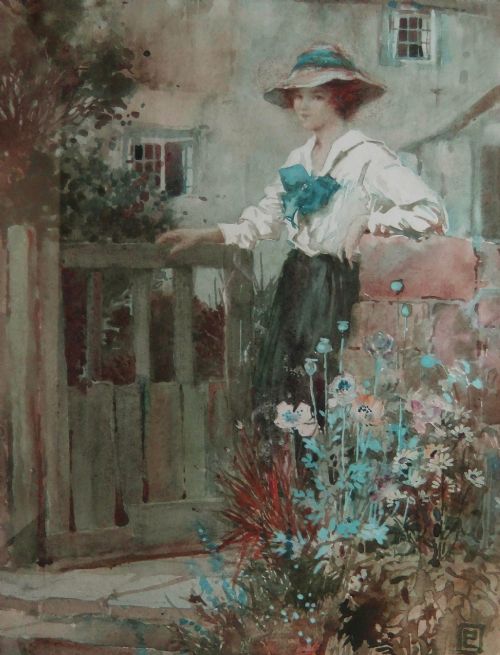
When you search for an english garden painting, you enter a visual record of cultivated lawns, floral borders and rustic brick cottages rendered in watercolour and oil.
English Garden Painting
An english garden painting captures the domestic flora and horticulture of country houses, vicarages and cottages through the nineteenth and twentieth centuries. These works reflect a sustained artistic interest in domestic planting, herbaceous borders and sunlit terraces.
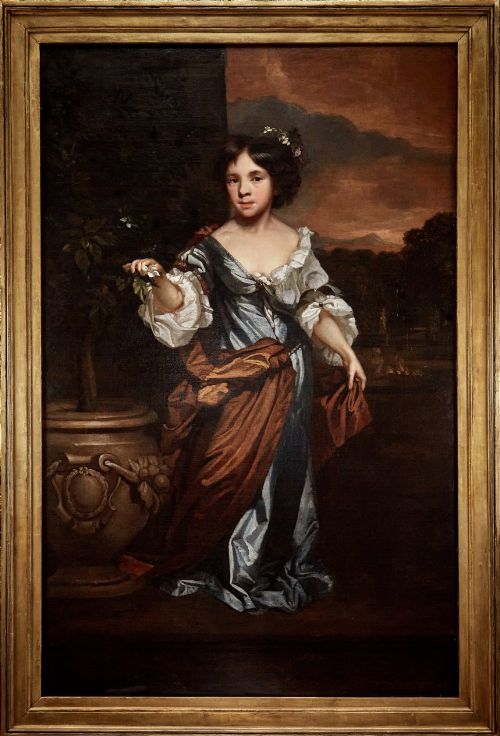
Watercolour on paper predominates among the surviving pieces, often produced by specialists who charted seasonal blooms across Edwardian and Victorian England. Oil paintings on canvas and panel appear alongside these works, offering heavier textures and deeper tones for architectural and landscape settings.
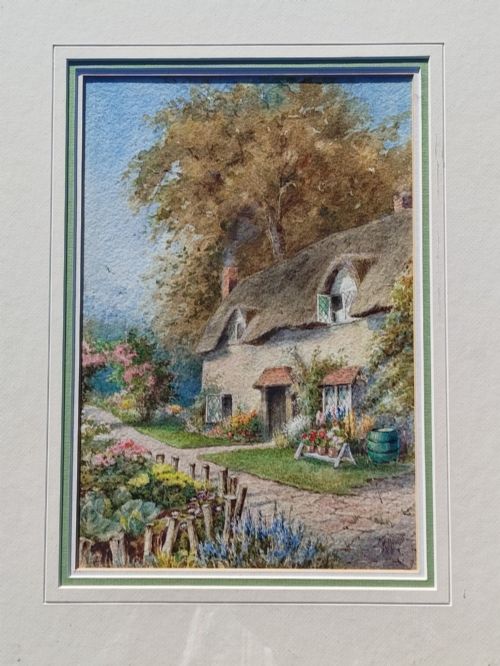
The subjects range from intimate cottage doors framed by hollyhocks to formal walled gardens and municipal green spaces. Works from the nineteen-tens and nineteen-twenties show a distinct preference for luminous palettes and naturalistic planting schemes.
How They Were Made
Painters utilised watercolour pigments suspended in water, applied in transparent washes onto heavy textured paper to capture the bright, diffused light of English summers. Gum arabic was frequently added to deepen tones and impart a subtle sheen to floral details.
Oil paintings relied on ground pigments mixed with linseed oil, applied with bristle brushes and palette knives onto stretched canvas or wooden panels. This technique allowed artists to build up thick impasto for sunlit paths and vibrant flower petals.
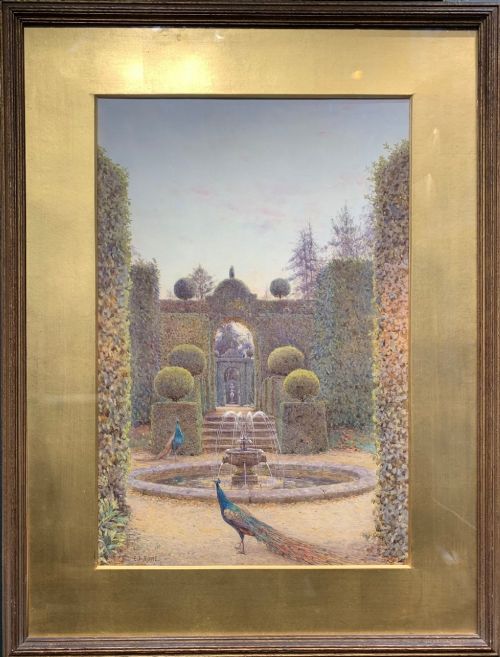
Framing typically involved gilt wood or moulded timber mouldings designed to protect the fragile paper edges or support heavy canvas supports.
English Garden Painting Retail Price Guide 2026
Typical asking prices for english garden painting among the pieces listed under this phrase on Sellingantiques today, from the lower quarter to the upper quarter. They describe what is for sale here now, not the wider market.
Several paintings include domestic pets and poultry wandering freely across the herbaceous borders.
What Varies in Quality
The competence of botanical draughtsmanship separates mass-produced topographical views from accomplished artistic studies. Superior works demonstrate an accurate understanding of plant growth, leaf structure and seasonal light rather than generic floral blobs.
Compositional balance determines the visual success of the piece, distinguishing static records from paintings with depth and atmospheric perspective. Stronger examples guide the viewer's eye along garden paths and through well-considered architectural framing.
The preservation of the paper support and the vibrancy of the original pigments directly influence the longevity and visual impact of watercolours. Unfaded sheets retain the sharp contrasts between shadowed foliage and sunlit blossoms intended by the painter.
Ernest Arthur Rowe·Percy Lancaster·John Riley·John Closterman·Harry Wanless·Theresa Stannard·Owen Bowen·Ernest Higgins Rigg·Lilian Stannard·David Woodlock·Herbert Royle·Arthur Claude Strachan·Thomas Nicholson Tyndale·Jane Utley·John Emms·Henry John Sylvester Stannard·Beatrice Parsons·Walter Dendy Sadler·Edgar Bundy·William Greaves·Mary Stevens·Sidney Valentine Gardner·Homer Wayland Colby·Amy Antill·Alan Longmuir
The English Garden Painting Glossary
- Watercolour
- A painting method where fine pigment powder is mixed with water-soluble binders for application on paper. The medium relies on the white of the paper to shine through translucent washes.
- Impasto
- Paint applied thickly to a canvas or panel so that the brush or palette knife marks remain visible. This technique adds tactile three-dimensional depth to floral highlights.
- Gilt Wood
- Timber carved or moulded and coated with a thin layer of gold leaf or metallic gilt paint. It provides a traditional reflective border for nineteenth-century oil paintings.
- Mixed Media
- An artwork utilising two or more distinct artistic materials, such as watercolour combined with bodycolour or ink. This approach allows artists to mix opaque and transparent effects.
- Canvas
- A heavy woven fabric stretched across a wooden frame to serve as a sturdy support for oil painting. It accommodates extensive layering and worked textures.
English Garden Painting: Frequently Asked Questions
What subjects appear in these paintings?
The compositions focus primarily on domestic horticulture, featuring cottage doorways, herbaceous borders, walled kitchen gardens and sunlit lawns. Artists frequently recorded specific regional flowers like sunflowers, delphiniums and rudbeckia.
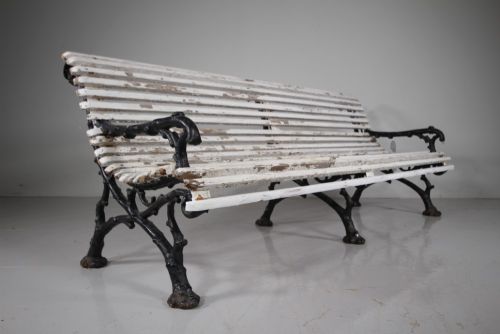
Architectural elements such as conservatories, stone terraces and garden benches also anchor the scenes, providing structure behind the profusion of seasonal blooms.
How do I care for antique watercolours?
Watercolours demand careful placement away from direct sunlight to prevent the fugitive pigments from fading and the paper from yellowing. Framing behind UV-protective glass shields the delicate washes from environmental degradation.
Humidity control remains essential because damp conditions encourage foxing spots and mould growth across nineteenth-century paper supports.
Are these paintings signed by the artist?
Many works bear the artist's signature or monogram, typically placed in one of the lower corners amidst the garden foliage or pathway stones. Some pieces include period inscriptions on the reverse detailing the specific garden or house location.
Unsigned examples are often attributed to regional schools or identified through stylistic comparisons with documented works from the same period.
How can I tell the period of a painting?
Stylistic markers, framing techniques and the clothing of any figures depicted offer primary clues to the decade of creation. Edwardian works often display brighter, impressionistic brushwork, while Victorian pieces lean toward tighter academic detail.
Backboards, old gallery labels and framing materials further confirm the age of the physical object.