


English Elm Armchair
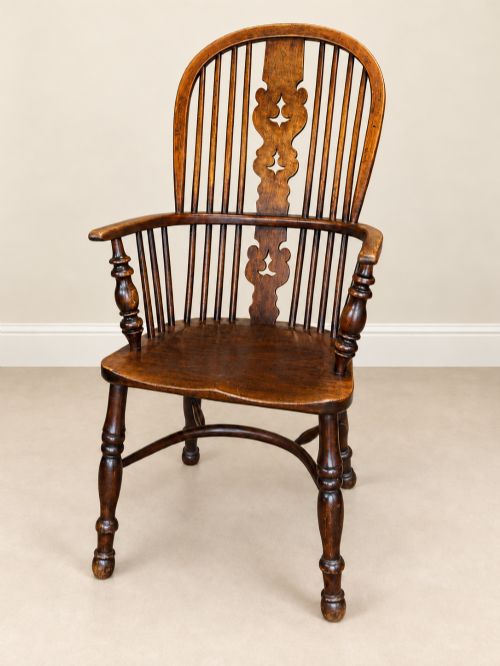
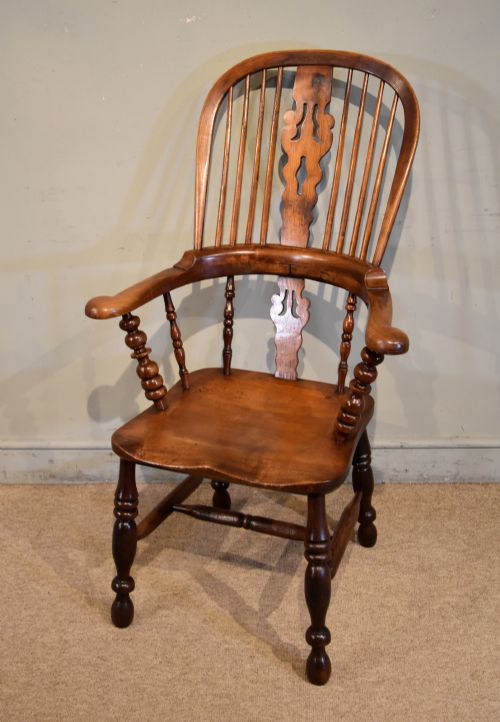
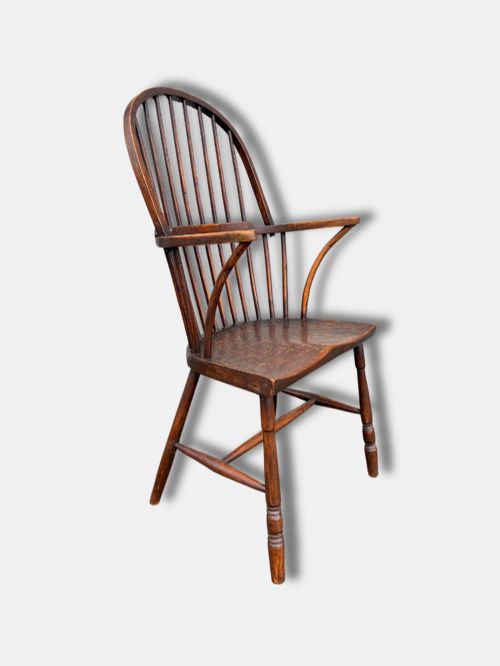
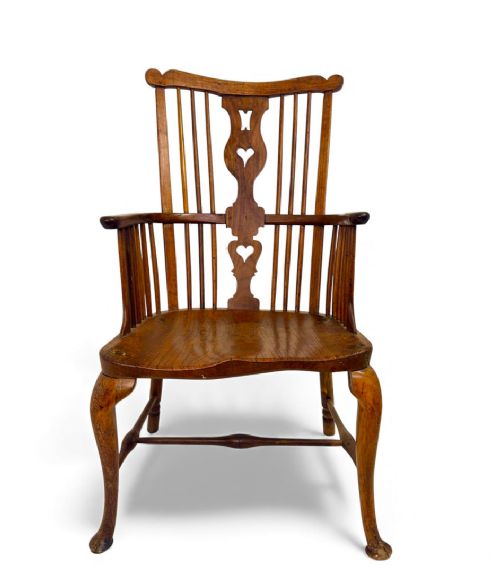
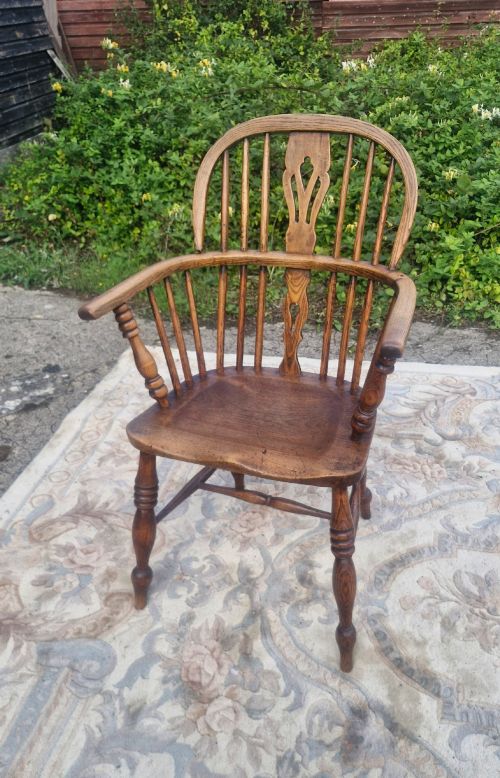
An english elm armchair brings together vernacular woodwork and deep, figured timber, offering robust country seating built for generations of farmhouse use.
English Elm Armchair
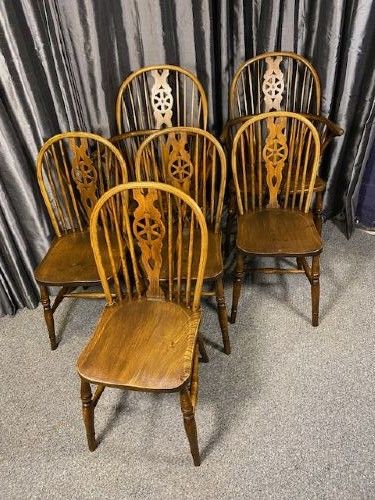
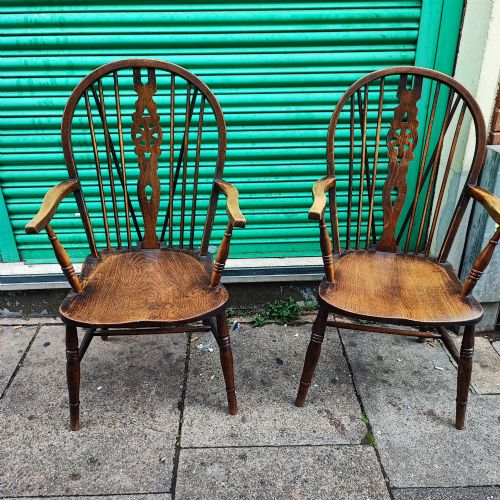
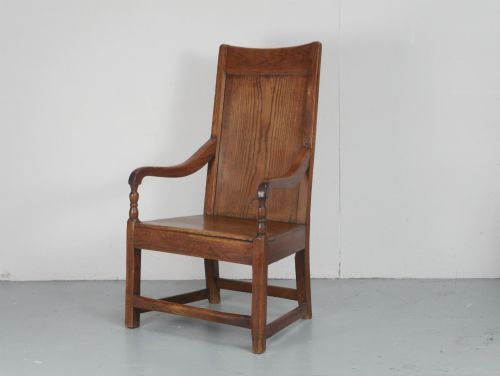
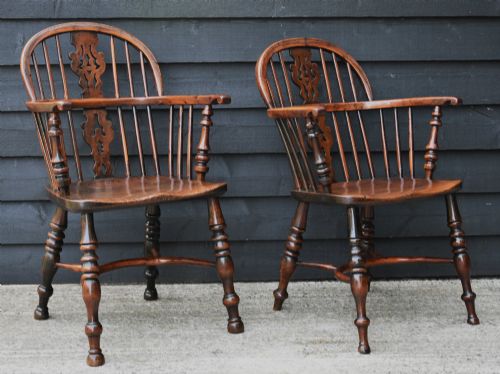
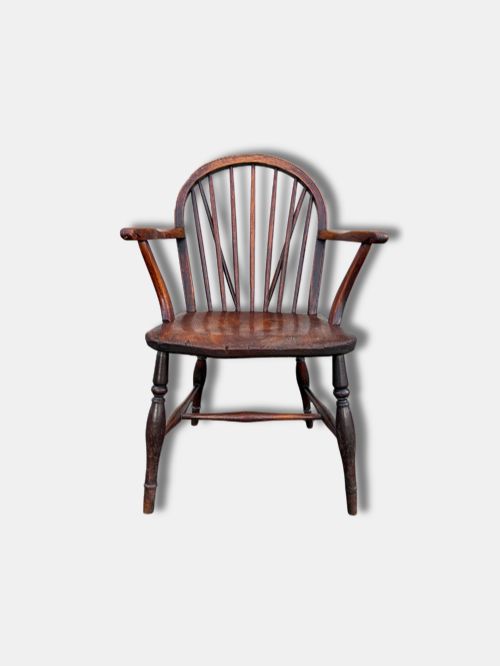
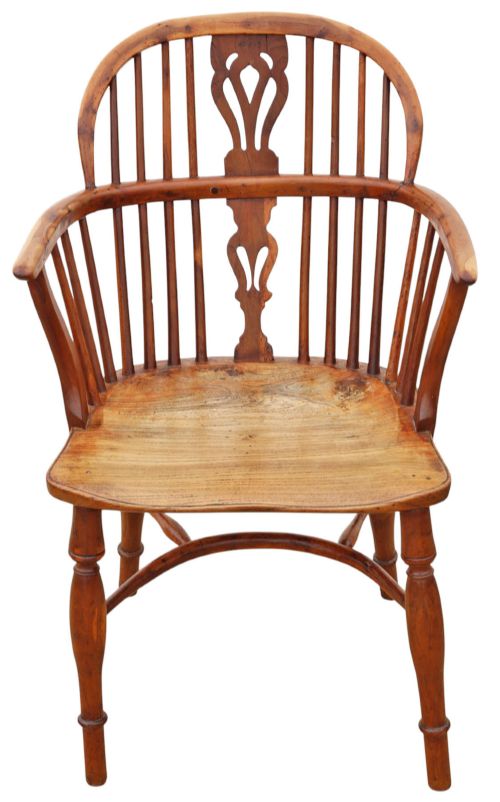
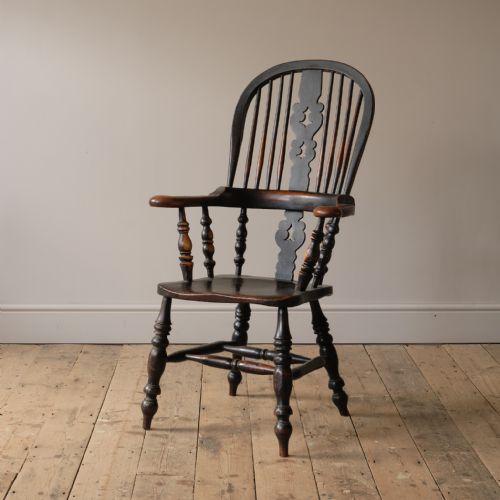
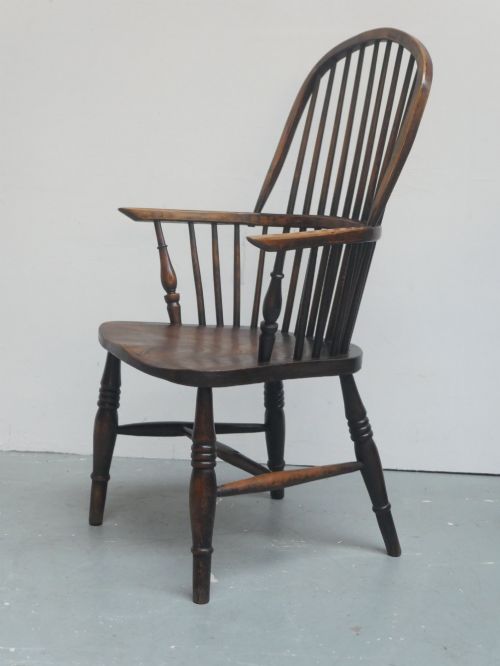
When a buyer searches for an english elm armchair, they encounter sturdy country seating fashioned by regional joiners rather than urban cabinet makers. The listings span the eighteenth and nineteenth centuries, taking forms such as the Windsor, the smoker's bow, and the low-back kitchen chair.
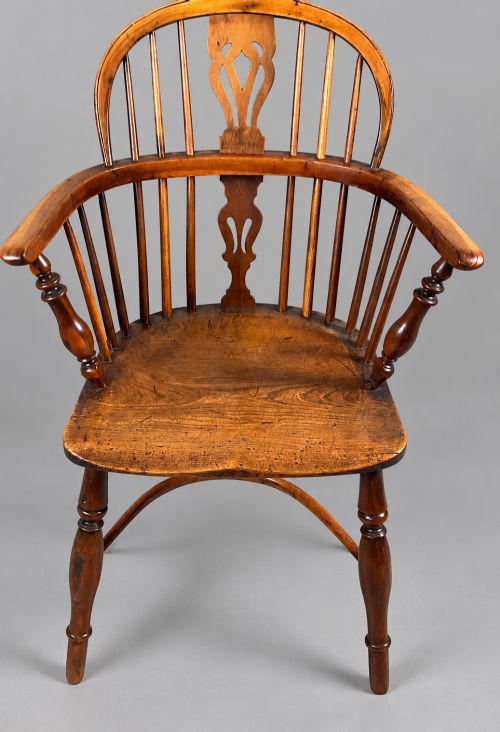
Most examples found here belong to the Victorian era or the Georgian period, often combining elm seats with ash, beech, or yew for spindles and legs. Regional variations such as Thames Valley or Lincolnshire chairs appear regularly across the selection.
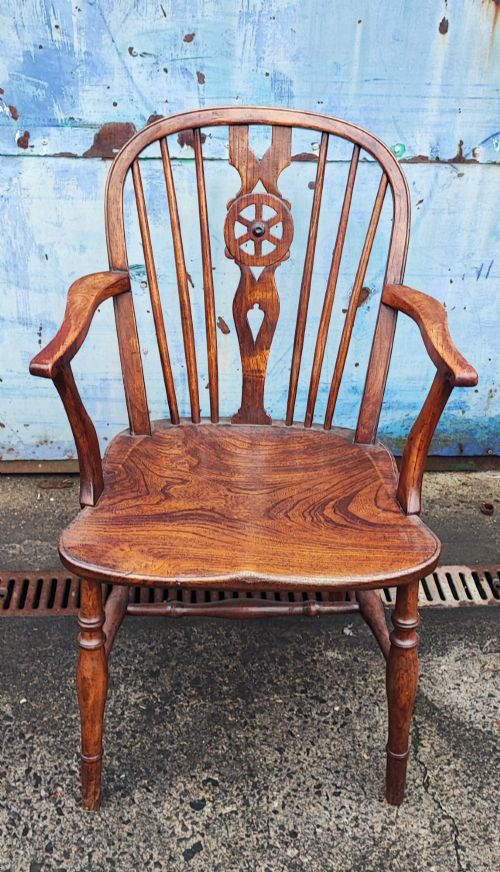
Forms range from broad armchairs and child's chairs to comb-backs, hoop-backs, and wheel-backs. These sturdy seats served kitchens, farmhouses, and country houses alike, prioritizing utility alongside solid construction.
How they were made
Makers selected elm for the thick, solid seats because the interlocking grain resists splitting under pressure, allowing craftsmen to carve comfortable depressions directly into the solid timber. Spindles and bow backs typically utilise ash, beech, or yew for the necessary bend and resilience.
Construction relies on traditional Windsor methods where turned legs and back spindles lock directly into a heavy plank seat using wedged tenon joints. Additional woods like laburnum, fruitwood, and oak appear in specific regional framing and decorative accents.
English Elm Armchair Retail Price Guide 2026
Typical asking prices for english elm armchair among the pieces listed under this phrase on Sellingantiques today, from the lower quarter to the upper quarter. They describe what is for sale here now, not the wider market.
The listings here feature oak, beech, ash, yew, fruitwood, laburnum, and elm across eighteenth and nineteenth-century forms.
What varies in quality
Quality rests in the harmony of the timber selection and the retention of original surfaces, where rich patination on the elm seat tells the story of prolonged use. Chairs displaying balanced proportions and crisp wheel-back or spindle turnings stand above heavier, clumsier country iterations.
The integrity of the structural joints and the subtlety of the arm shaping dictate the piece's standing. Finer examples maintain untouched timber depth without excessive modern intervention or unsympathetic repairs to the spindle work.
J SPENCER
The English Elm Armchair Glossary
- Windsor armchair
- A chair built with a solid wooden saddle seat into which the back and legs are independently inserted. These pieces rely on a heavy central plank for structural stability.
- Smoker's bow
- A low-backed Windsor variant featuring a continuous curved armrail supported by turned spindles above a deep seat. This form was common in nineteenth-century country houses and rural inns.
- Comb back
- A Windsor chair design where the vertical back spindles extend upward through a horizontal crest rail resembling the teeth of a comb. This style frequently dates to the eighteenth century.
- Hoop back
- A Windsor chair variation featuring a single bentwood piece forming both the back and the arms in one continuous curve. It provides structural strength while maintaining a clean profile.
- Vernacular furniture
- Domestic pieces made by local regional craftsmen using native timbers rather than following strict academic design rules. These items reflect local traditions and available regional materials.
English Elm Armchair: Frequently Asked Questions
What is an English elm armchair?
An english elm armchair is a traditional wooden seat featuring a solid carved elm plank base combined with turned spindles and legs made from native timbers like ash and beech.
These pieces were produced primarily by regional joiners for domestic and farmhouse use throughout the eighteenth and nineteenth centuries.
How do I identify a Thames Valley Windsor chair?
Thames Valley pieces often incorporate yew wood alongside elm, displaying refined craftsmanship and distinctive crinoline stretchers joining the legs.
These chairs usually date from the eighteenth or early nineteenth century and represent a more sophisticated rural aesthetic.
How were these armchairs used historically?
These sturdy chairs served as everyday seating around farmhouse kitchen tables, firesides, and country house drawing rooms.
Their robust construction was designed to withstand daily domestic labour and heavy rural use over generations.
How do I care for antique elm furniture?
Maintain the timber by keeping the chair away from direct heat sources and sudden humidity changes that can cause the solid elm seat to split.
Apply traditional wax polish occasionally to nourish the grain and preserve the natural patina developed over the centuries.