

English Drinking Glasses
English drinking glasses span centuries of tavern and table use, prized by collectors for their tactile weight and ingenious optical stems.
English Drinking Glasses
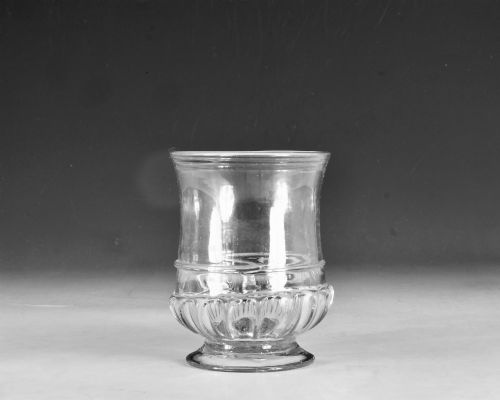
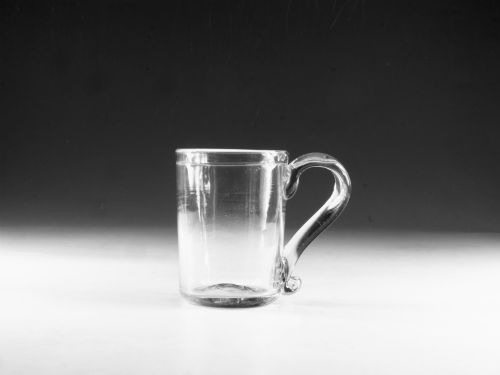
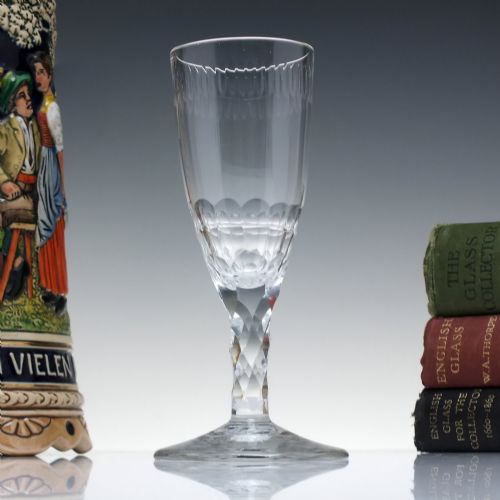
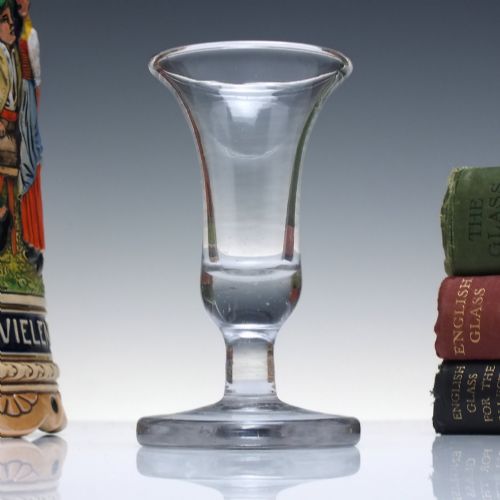
When you search for english drinking glasses, you encounter pieces primarily from the Georgian and eighteenth-century periods, alongside occasional Edwardian and twentieth-century examples. These items range from slender wine glasses and ale flutes to sturdy rummers and small jelly glasses.
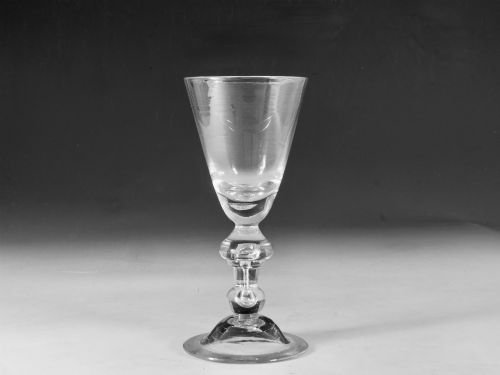
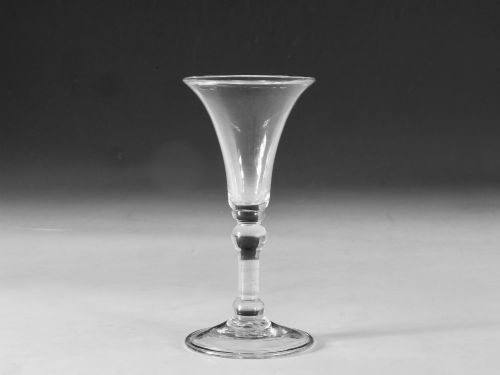
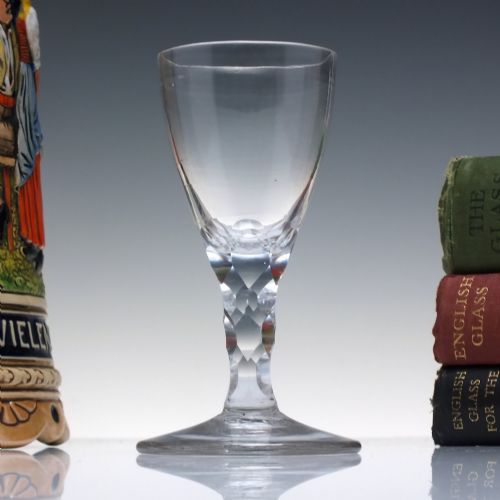
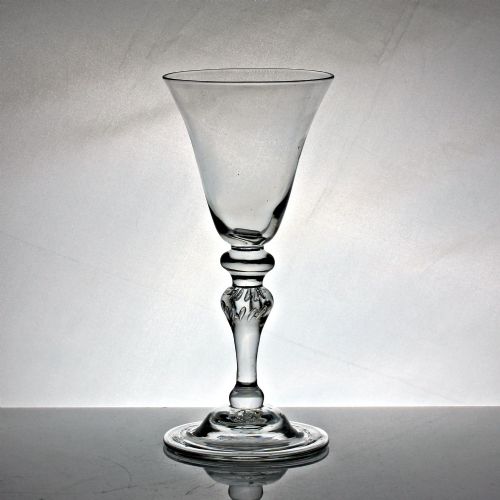
The most common forms on this page are eighteenth-century wine glasses featuring bell, ogee, or trumpet bowls. Alongside these, buyers frequently meet rummers and ale glasses shaped for specific historic beverages.
Materials and construction
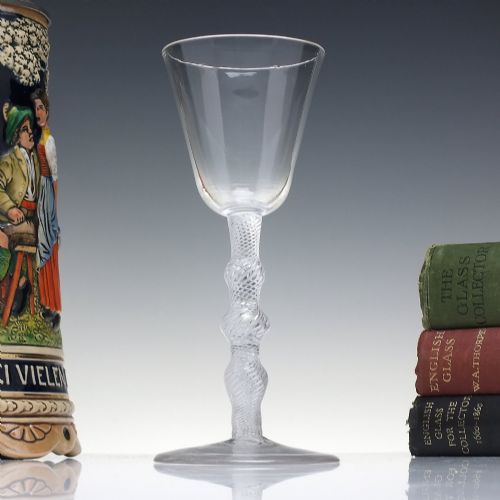
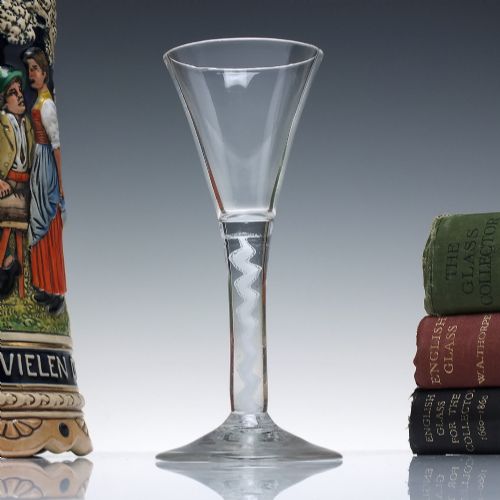
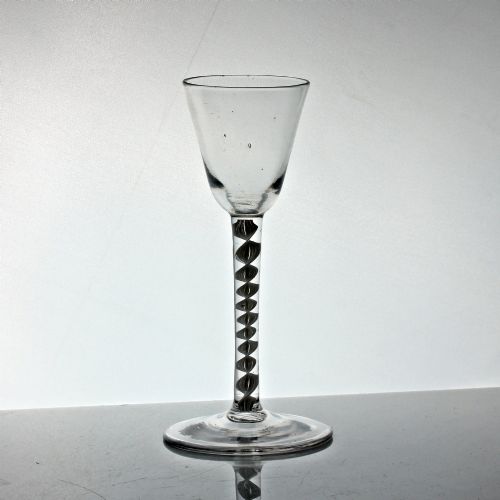
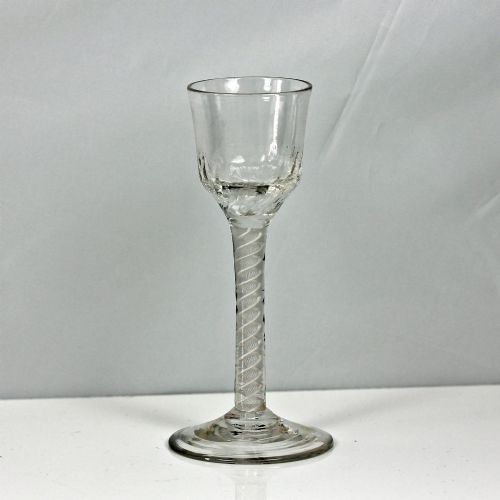
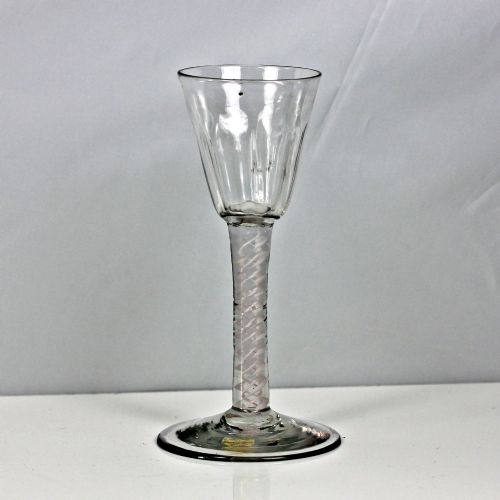
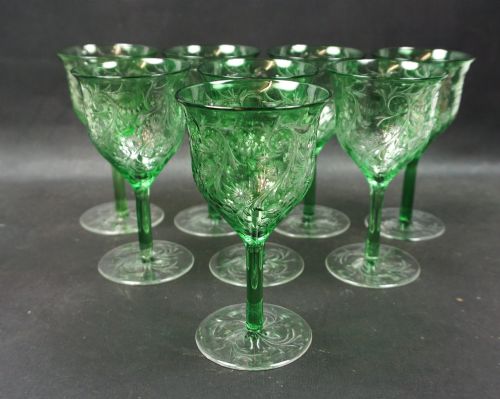
These vessels are fashioned from lead glass, lead crystal, and flint glass, yielding a heavy, resonant material capable of holding deep wheel-engraving. Artisans manipulated the molten metal to trap air bubbles, forming delicate air twists or incorporating white and coloured enamel threads.
Stems and bowls were often formed separately and joined while hot, with folded feet added to the base for stability and strength during daily use.
English Drinking Glasses Retail Price Guide 2026
Typical asking prices for english drinking glasses among the pieces listed under this phrase on Sellingantiques today, from the lower quarter to the upper quarter. They describe what is for sale here now, not the wider market.
Listings feature lead glass, clear flint glass, and enamel alongside periods spanning from the eighteenth century to the nineteen thirties.
Judging quality and proportion
Quality rests upon the crispness of the twist within the stem and the harmonious proportion between bowl, stem, and foot. A well-balanced vessel displays clear metal without excessive cloudiness or heavy mould seams.
The presence of skilled wheel-engraving or gilding elevates a piece, as does an unusual bowl form or a documented colour twist.
The English Drinking Glasses Glossary
- Air twist
- A stem formation created by drawing out internal air bubbles into spiral threads. This technique produces delicate optical channels within the lead glass stem.
- Opaque twist
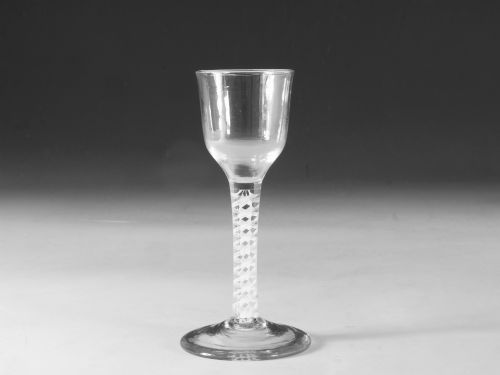
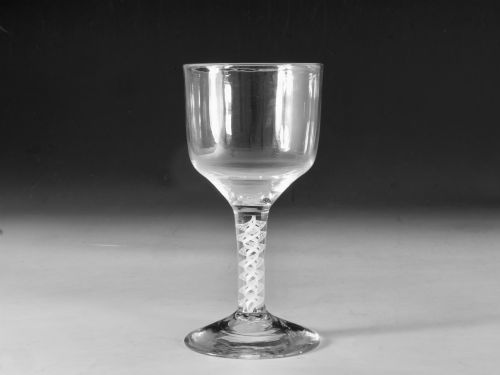
- A stem containing white or coloured enamel glass rods twisted into complex internal threads. These threads create solid white or polychrome patterns inside the clear metal.
- Rummer
- A heavy, large-bowled drinking vessel popular for punch, beer, or wine during the late Georgian era. They typically feature short stems and thick, rounded feet.
- Baluster
- A heavy, swelling stem shape reminiscent of architectural pillars found on early Georgian glasses. These robust stems often incorporate knops and internal air tears.
- Folded foot
- A base edge turned underneath during manufacture to create a smooth, thickened rim. This method adds weight and resilience to the foot.
- Jelly glass
- A small, thick-walled vessel designed for serving sweet jellies and syllabubs at table. They frequently feature ribbed or moulded bowl patterns.
English Drinking Glasses: Frequently Asked Questions
How do I identify an eighteenth century glass?
Look for heavy lead metal that displays a dark ring when struck gently, combined with rough pontil marks underneath the foot where the iron rod was snapped off.
Eighteenth century pieces also exhibit specific stem formations, such as air twists or baluster knops, which differ markedly from later machine-made or Victorian pressed tableware.
What is the difference between an air twist and an opaque twist?
An air twist contains elongated spiral bubbles trapped within the clear glass stem, creating a subtle internal shimmer.
An opaque twist incorporates solid white or coloured enamel rods drawn into threads during the forming process, making the internal pattern starkly visible.
Were these glasses used daily or kept for display?
Georgian drinking glasses served as functional tableware for dining rooms, taverns, and formal banquets. Households used them regularly for wine, ale, spirits, and sweetmeats.
Their robust lead glass composition made them practical for dining despite their delicate appearance.
Why do some rummers have square bases?
Square or pedestal bases appeared on later rummers and decanters to prevent tipping on crowded tables or rolling during carriage travel.
This practical shift in design occurred as dining styles and glassware forms evolved into the nineteenth century.