



English Dressing Mirror
An English dressing mirror is a practical and decorative piece of furniture designed for grooming, spanning centuries of craftsmanship.
English Dressing Mirror
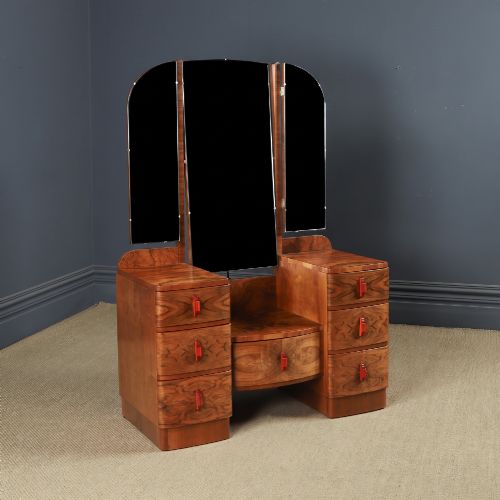
An english dressing mirror encompasses a variety of forms designed for personal grooming and interior reflection. Buyers examining this page will encounter both tabletop toilet mirrors and large freestanding cheval mirrors.
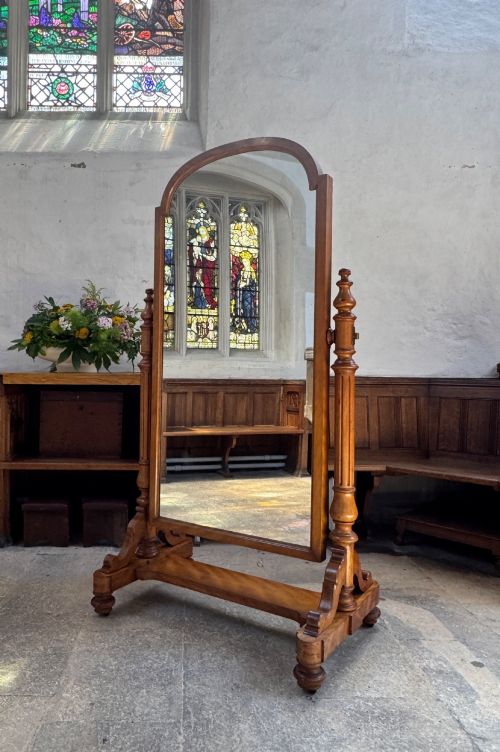
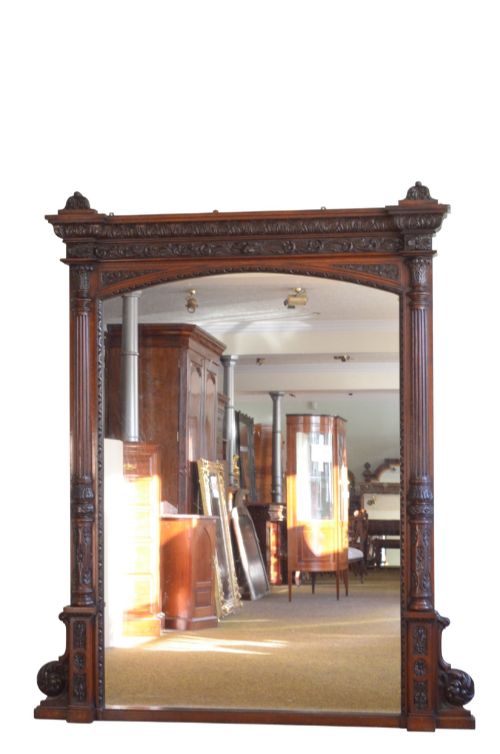
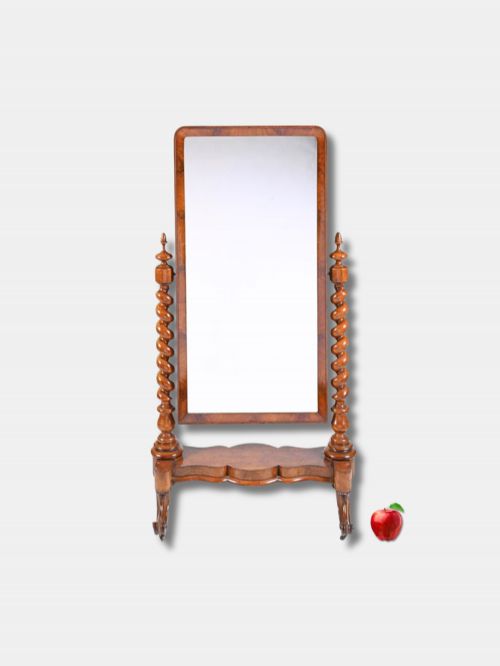
The selection ranges from compact Georgian box base toilet mirrors to grand Victorian cheval glasses mounted on barley twist supports. Materials such as mahogany, walnut, and giltwood appear frequently across the periods.
Originating from workshops across different eras, these pieces serve functional roles in bedrooms and dressing rooms while displaying distinct stylistic traits of their respective decades.
How they were made
Cabinet makers utilised dense timbers like mahogany, walnut, and oak to construct sturdy frames and supportive stands. These woods were often polished to highlight natural grain patterns or shaped into pedestals and barley twist supports.
Decorative elements involve carved details, giltwood, and gesso applied to wood frames, alongside sterling silver casings for smaller vanity pieces. Glass plates are fitted securely into wood or metal surrounds to complete the mirror assembly.
English Dressing Mirror Retail Price Guide 2026
Typical asking prices for english dressing mirror among the pieces listed under this phrase on Sellingantiques today, from the lower quarter to the upper quarter. They describe what is for sale here now, not the wider market.
Some Victorian examples doubled as boot maker's mirrors, helping customers inspect their footwear from every possible angle.
What varies in quality
The standard of an english dressing mirror depends on the depth of the carving and the quality of the timber selection. Solid hardwoods and finely chased or cast brass fittings elevate the overall presence of the object.
Proportion and the integrity of the original glass plate significantly influence the character of the piece. Well-balanced frames with precise joinery demonstrate superior workshop execution.
The English Dressing Mirror Glossary
- Cheval mirror
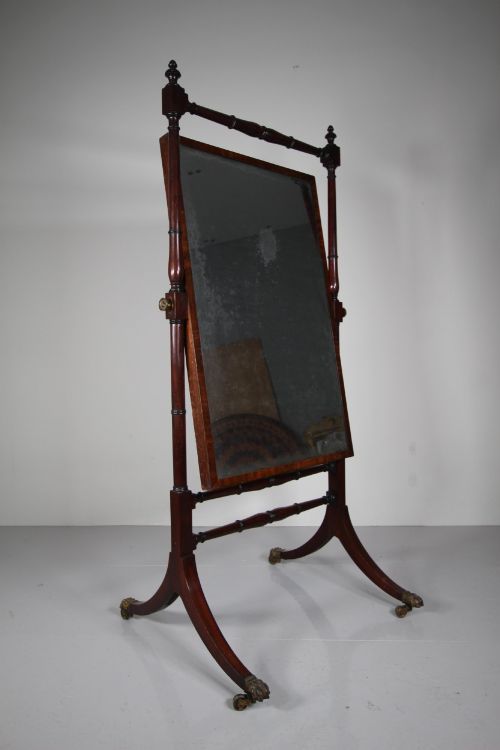
- A freestanding full-length mirror suspended in a frame that allows it to swing. This form lets the user adjust the angle of the glass.
- Toilet mirror
- A smaller mirror designed to sit upon a dressing table or chest of drawers. Box base variations often incorporate small storage drawers beneath the glass.
- Giltwood
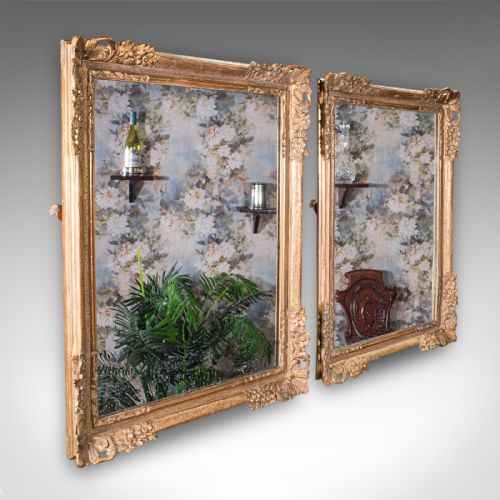
- Wood that has been coated with gold leaf or a gold-coloured finish. It provides a decorative and reflective surface on ornate frames.
- Barley twist
- A type of turning that resembles a twisted rope, common on the upright supports of Victorian mirrors. This technique adds texture and visual weight to the frame.
- Gesso
- A plaster-like mixture applied to wood surfaces as a base for gilding and relief carving. It allows artisans to shape intricate decorative details on the frame.
English Dressing Mirror: Frequently Asked Questions
What is a cheval mirror?
A cheval mirror is a tall, freestanding glass designed to show the full figure. It hangs on pivots within a vertical frame.
These pieces stand directly on the floor and allow the user to tilt the glass to various angles for dressing.
How do I use a toilet mirror?
A toilet mirror sits upon a table, chest, or dressing bureau to assist with close grooming. Many examples feature small drawers at the base for holding personal items.
They function well on top of modern or antique surfaces in a bedroom or dressing room.
How do I date an english dressing mirror?
Dating relies on examining the timber, construction methods, and stylistic cues present in the frame. Georgian pieces often show simpler lines or box bases, while Victorian examples introduce heavy carved details and walnut or satin birch.
Hardware types and the method of securing the glass plate also offer clues to the period of manufacture.
Where should I place a dressing mirror?
These mirrors suit bedrooms, dressing rooms, and hallways where natural light can enhance the glass. Freestanding cheval versions require adequate floor space to allow for movement and tilting.
Tabletop versions sit securely on sturdy chests of drawers or designated dressing tables.