







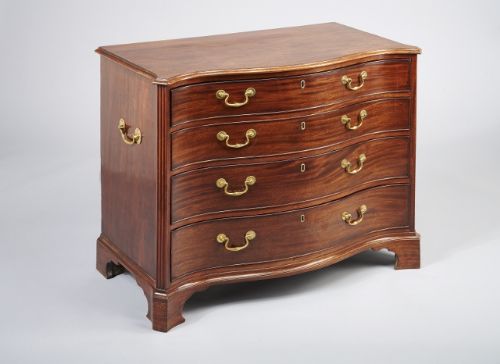
English Dressing Chest
An English dressing chest brings together practical storage and refined period craftsmanship, offering a dedicated surface for daily grooming.
English Dressing Chest
An english dressing chest encompasses forms from the Georgian, Victorian, and Edwardian periods, appearing alongside lowboys and fitted vanity pieces. Buyers searching this phrase encounter substantial timber furniture designed for personal preparation, often detailed with brass hardware and fitted compartments.
The materials recorded in these listings span mahogany, walnut, oak, and pine, reflecting centuries of cabinet-making traditions. Pieces range from mid-eighteenth-century George II designs to later revival interpretations, maintaining a focus on functional drawer layouts and polished wooden surfaces.
How they were made
Cabinet-makers relied primarily on solid mahogany and walnut, frequently selecting figured veneers to create patterned drawer fronts and tops. Structural carcases often incorporated secondary timbers such as pine or oak for interior framing and drawer linings.
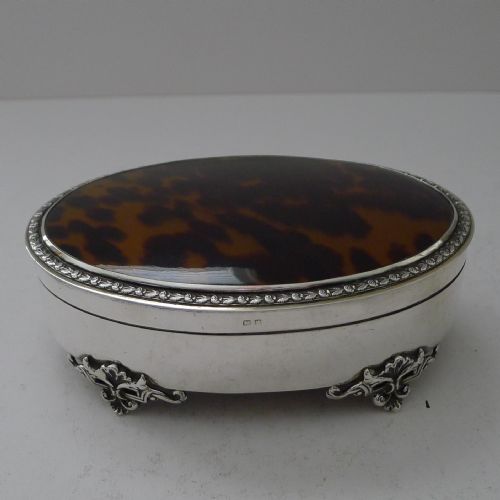
Metalwork played a functional role through cast brass drop handles, key escutcheons, and hinges. Specialised pieces integrated internal compartments lined with leather, silver, or tortoiseshell to secure smaller personal items.
English Dressing Chest Retail Price Guide 2026
Typical asking prices for english dressing chest among the pieces listed under this phrase on Sellingantiques today, from the lower quarter to the upper quarter. They describe what is for sale here now, not the wider market.
A travelling vanity case hints at Regency voyages where shaving mirrors packed neatly beside silver-topped jars.
What varies in quality
The distinction between tiers of work rests on timber selection and the precision of the joinery. Superior examples demonstrate careful grain matching across drawer fronts and tight dovetail construction that remains stable over centuries.
Secondary details such as original brass hardware, well-fitted internal trays, and retained surface patination elevate a piece. Poorer variations often show compromised drawer actions, replaced fittings, or coarse timber repairs.
Heals of London·Parkins and Gotto·Jennens and Bettridge
The English Dressing Chest Glossary
- Lowboy
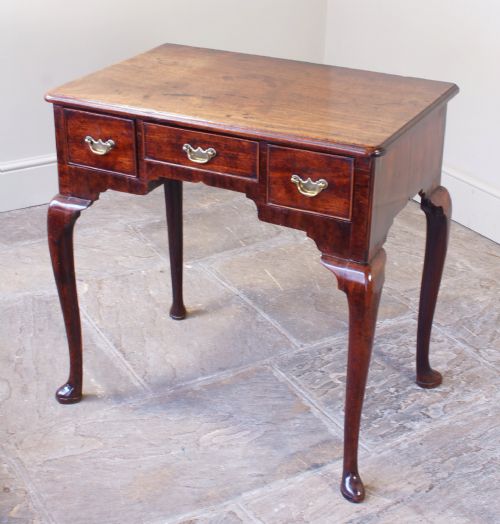
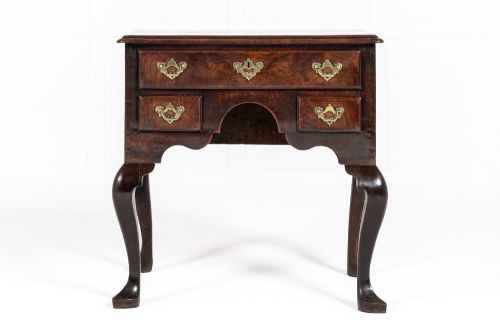
- A small table with drawers, commonly used as a dressing or side table during the eighteenth century. These pieces stand on slender legs and offer shallow drawer storage beneath the top surface.
- Dovetail
- A joint used in drawer construction where interlocking wedge-shaped fingers hold the wood corners together securely. Fine examples feature narrow, precise pins that indicate skilled hand craftsmanship.
- Serpentine
- A curved front shape on a chest or cabinet that undulates with a convex centre flanked by concave sides. This contour requires advanced woodworking skill to shape accurately from solid timber.
- Escutcheon
- A small protective plate surrounding a keyhole, usually fashioned from brass. These fixtures often reflect the decorative style of the period.
- Patina
- The surface sheen and colour acquired by wood and metal through age, handling, and regular polishing. A rich patina indicates natural wear rather than modern chemical stripping.
English Dressing Chest: Frequently Asked Questions
How do I date an english dressing chest?
Dating relies on examining construction methods, timber choices, and decorative hardware styles. Georgian pieces often display fine mahogany veneers and hand-cut dovetails, while Victorian examples introduce burr walnut and heavier proportions.
Hardware placement and internal drawer linings also provide clear indicators of the manufacturing period.
Where were these pieces used?
They were designed for private bedrooms and dressing rooms within period homes to hold garments, cosmetics, and valuables. Their compact forms allowed them to fit comfortably against bedroom walls.
Today, they transition easily into modern living spaces as hallway consoles or bedroom storage units.
How do I care for wooden surfaces?
Maintenance requires avoiding direct sunlight and excessive moisture to protect the timber and veneer. Regular dusting with a soft cloth preserves the polished surface without building up residue.
Applying a traditional wax polish occasionally helps nourish old wood and maintain its natural lustre.