

English Country Wood Carving
English country wood carving brings honest domestic utility and regional craft into the home through sturdy chairs, tables, and mirrors.
English Country Wood Carving
When searching for english country wood carving, a buyer encounters domestic furniture and utilitarian objects rooted in regional workshops rather than metropolitan cabinet shops. The selection relies heavily on practical forms designed for daily household use, spanning centuries of domestic life.
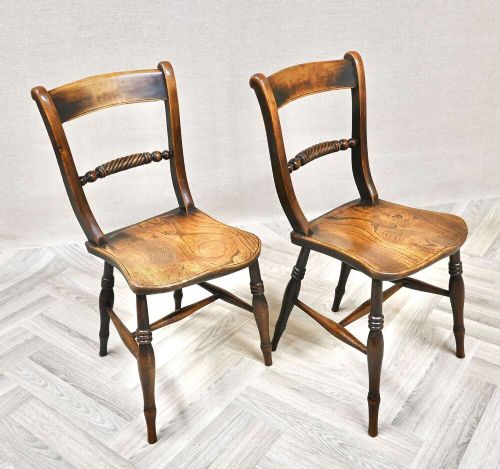
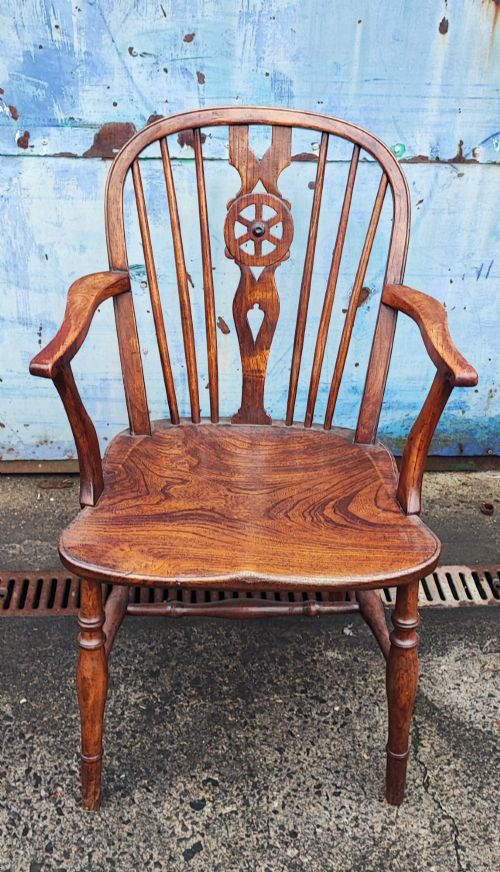
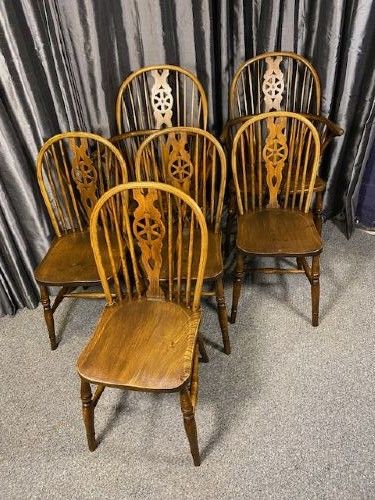
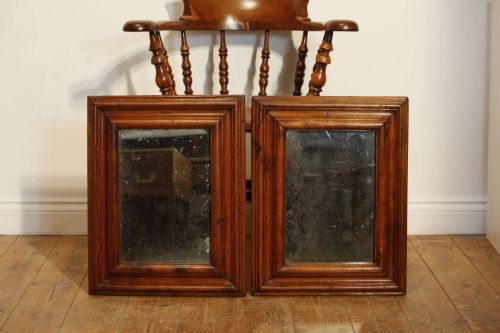
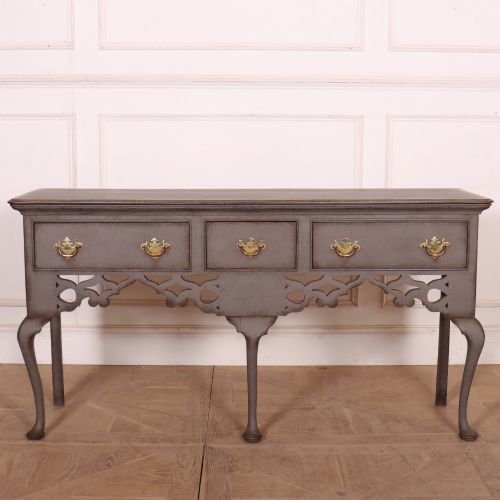
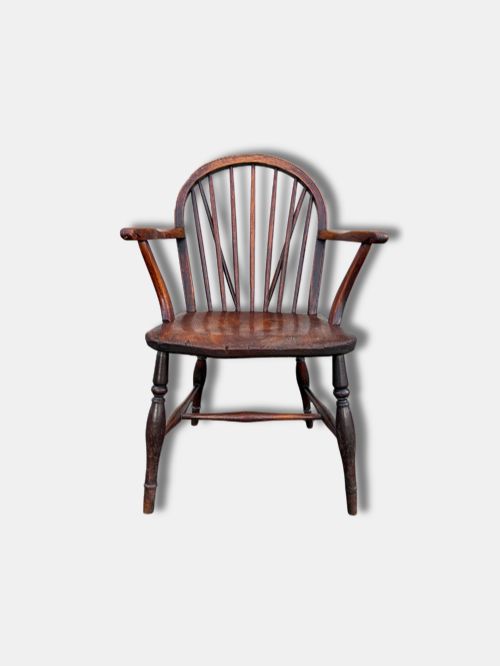
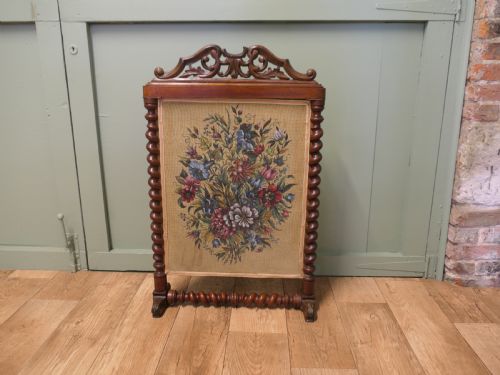
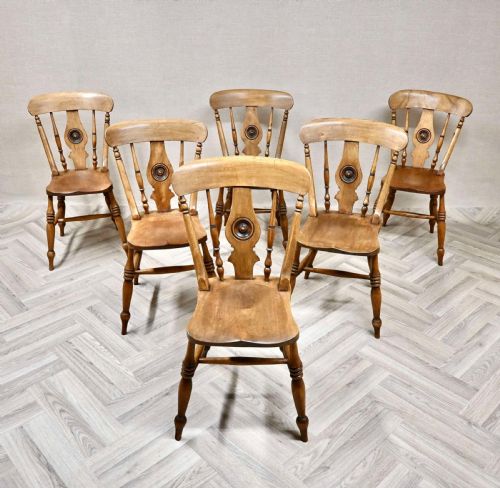
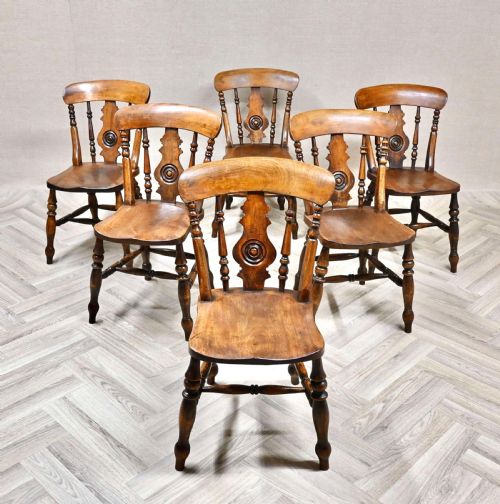
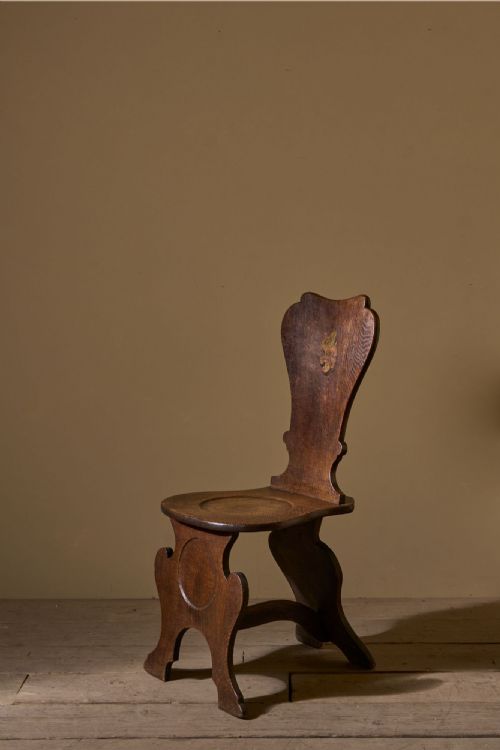
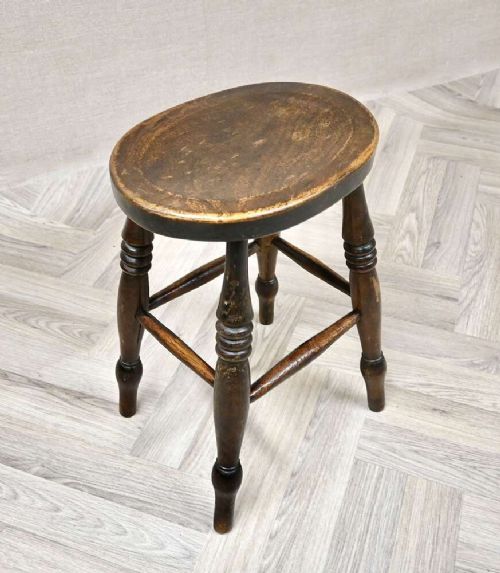
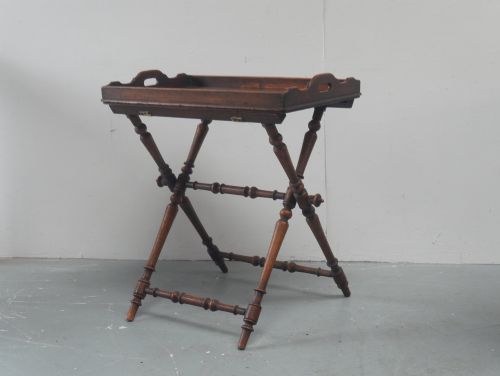
Armchairs, Windsor chairs, side tables, and benches dominate the pieces available on this page, alongside mirrors and small kitchen accessories. These items reflect the domestic economy of rural households where local timber dictated the construction of seating and storage.
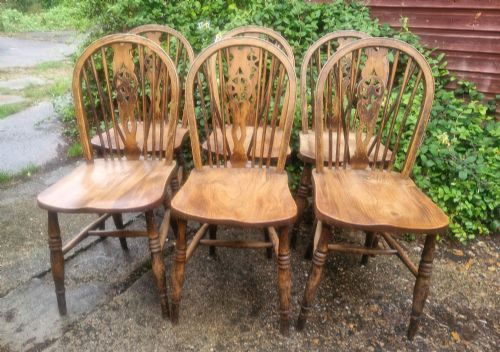
The periods represented stretch from the eighteenth century through the Victorian era into the early twentieth century, showing sustained reliance on traditional forms. Regional variations appear in Windsor chair designs, from Thames Valley types to Lakeland lambing chairs.
Materials and Construction Methods
Makers utilised native timbers readily available in the landscape, pairing elm, oak, beech, ash, yew, and fruitwood within a single piece of furniture. Elm provided durable, split-resistant seats for chairs, while ash and beech formed flexible spindles and legs.
Construction relied on pegged joints, turned elements, and heavy planks rather than complex veneering or exotic woods. Surfaces often retained plain timber finishes or simple painted treatments suited to farmhouse kitchens and dairy settings.
English Country Wood Carving Retail Price Guide 2026
Typical asking prices for english country wood carving among the pieces listed under this phrase on Sellingantiques today, from the lower quarter to the upper quarter. They describe what is for sale here now, not the wider market.
Boot jacks carved from solid oak let muddy boots depart without a struggle.
Evaluating Quality and Character
Quality rests in the integrity of the timber selection and the retention of original surfaces rather than decorative excess. Pieces fashioned from figured yew or dense old-growth oak command greater interest due to their grain and survival over centuries.
Proportion and comfort distinguish superior seating, particularly in Windsor chairs where the rake of the legs and the sweep of the comb back determine the silhouette. Sympathetically handled repairs and deep patination acquired through long domestic use enhance the standing of any item.
The English Country Wood Carving Glossary
- Windsor chair
- A wooden chair featuring a solid carved seat into which the legs and back spindles are wedged directly. Regional variations include low-back, comb-back, and wheel-back patterns.
- Lambing chair
- An enclosed high-backed armchair historically designed to shield occupants from drafts in farmhouse settings. They frequently incorporate under-seat storage boxes.
- Pegged construction
- A method of joining timber components using wooden pins rather than metal nails or screws. This allows the wood to expand and contract naturally with seasonal humidity changes.
- Dairy bowl
- A large turned wooden vessel utilised in rural food preparation for processing milk and cream. Sycamore was preferred for its clean grain and resistance to splitting.
- Refectory table
- A long dining table traditionally built for communal dining halls and large country kitchens. They utilise heavy timber frames supported by robust stretcher bases.
English Country Wood Carving: Frequently Asked Questions
What defines english country wood carving?
These pieces represent utilitarian domestic furnishings produced from native timbers by regional craftsmen. The focus rests on durability and honest construction tailored to everyday rural life.
Items range from Windsor chairs and refectory tables to dairy bowls and mirrors, reflecting the practical needs of past households across several centuries.
Where were these wooden pieces used?
Rural furniture and turned objects served functional roles in farmhouses, cottages, and country estates across Britain. They furnished kitchens, dairies, and halls where heavy daily use demanded robust materials.
Over time, these domestic items moved into broader interior settings as collectors valued their honest construction and regional character.
How should I care for antique wood?
Keep wooden furniture away from direct heat sources and extreme humidity fluctuations to prevent timber from splitting or warping. Maintain the surface using traditional wax polish applied sparingly.
Allow the natural patina developed over generations to breathe rather than stripping the timber back to a raw finish.