


English Country Lighting
English country lighting illuminates interiors through centuries-old wrought iron, brass, and timber forms designed for domestic utility.
English Country Lighting
English country lighting encompasses utilitarian pieces created to illuminate domestic spaces across the eighteenth, nineteenth, and early twentieth centuries. These objects reflect the practical needs of rural homes before the widespread arrival of electricity, relying on simple, sturdy design.
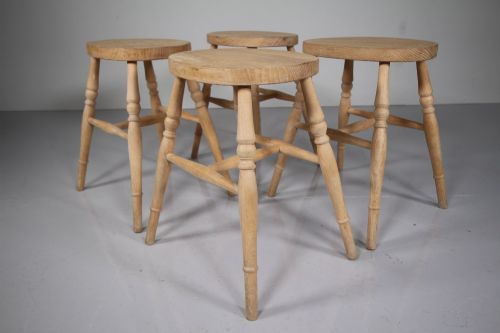
Buyers will also find associated country house furnishings such as oak dining stools, rush nips, and copper lanterns that complement authentic period lighting schemes. Each piece carries the honest marks of daily use in traditional English settings.
Materials and construction methods
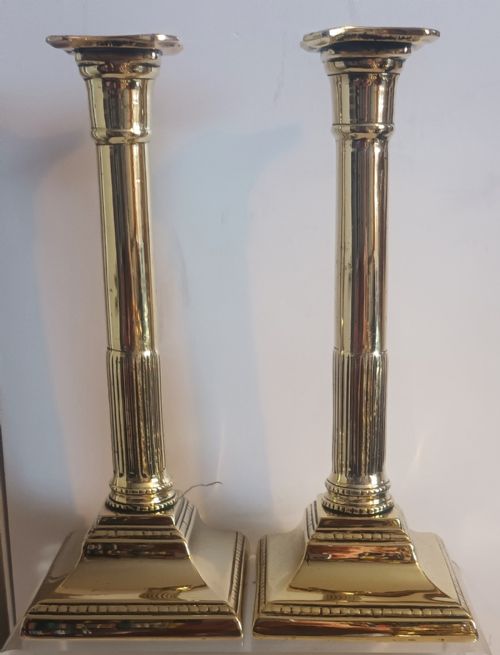
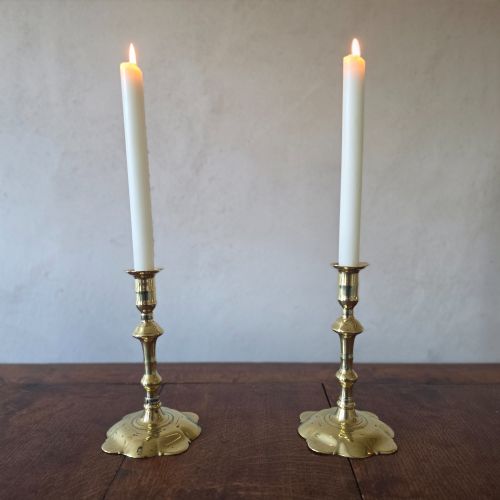
Makers utilised durable metals like brass, paktong, and hand-beaten wrought iron to form stable sockets and stems for candles and rushlights. These materials were chosen for their resilience and ability to withstand the heat and daily handling required of working lamps.
Wooden elements incorporate native timbers such as oak, ash, elm, and pine, often shaped by local carpenters using traditional turning and joining techniques. Bases were weighted or hewn from solid blocks to ensure stability on uneven farmhouse tables.
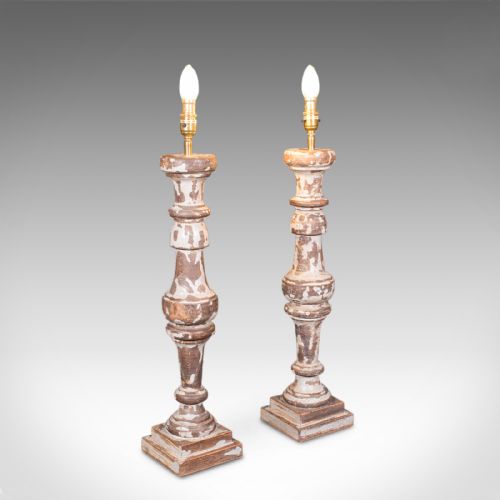
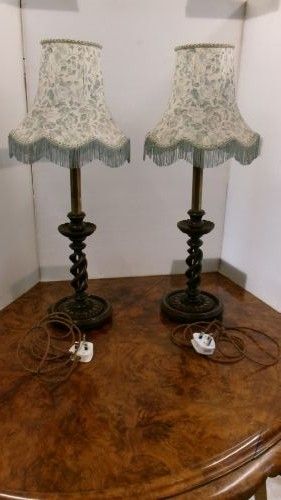
Later adaptations see period wooden candlesticks and architectural fragments converted into table lamp bases with painted finishes. This craftsmanship bridges historic domestic items with modern electrical requirements without erasing their original character.
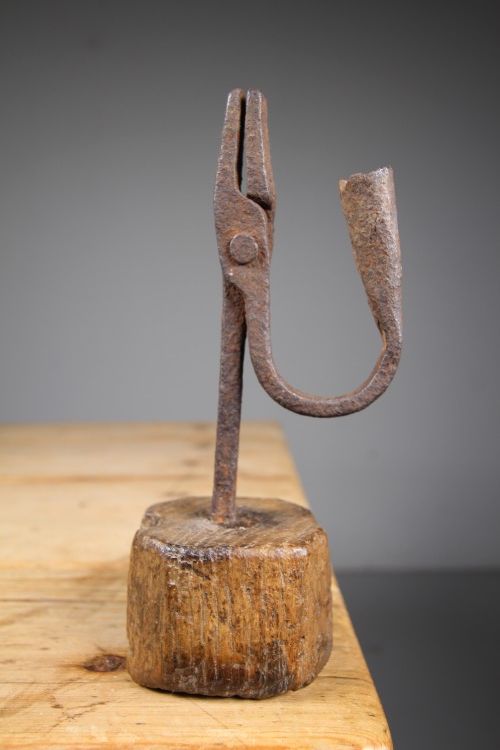
Many an eighteenth-century farmhouse evening was lit by a humble weed dipped in mutton fat, held tight by a spring of iron.
Assessing craftsmanship and condition
Quality in these lighting pieces rests upon the integrity of the original materials and the honesty of the construction. Items that retain their original patination, unaltered ironwork, and unthinned brass components command greater appreciation.
Simplicity of form often dictates the success of a piece, with well-proportioned turnings on wooden candlesticks and balanced counterweights on rushlight holders demonstrating superior maker skill. Lesser examples show clumsy later repairs or heavy-handed modern cleaning that strips historic surface character.
Harrison Patent
The English Country Lighting Glossary
- Rushlight holder
- A spring-loaded or counterweighted iron clip designed to grip a dried rush dipped in animal fat for cheap illumination. These are principally eighteenth-century survivals.
- Rush nip
- An alternative term for the jaw mechanism of a rushlight holder that clamps the combustible reed securely in place. The mechanism relies on simple leverage and weight.
- Paktong
- A copper-nickel-zinc alloy originating from China that resembles silver and was occasionally cast into high-status eighteenth-century candlesticks. It offers a bright, silvery finish.
- Telescopic brass candlestick
- An adjustable lighting fixture featuring a sliding mechanism inside the shaft to raise or lower the candle height. These often bear patent markers from the nineteenth century.
English Country Lighting: Frequently Asked Questions
How do I safely wire antique lamp bases?
Historic wooden and metal lamp bases require rewiring with modern flex through existing channels to meet current safety standards without altering the antique structure.
Consult a professional electrician who can preserve original cord exits and mounting points while ensuring the internal fittings comply with modern regulations.
What is the difference between a rushlight and a candleholder?
Rushlights utilise a pincer mechanism to grip dried rushes dipped in fat, providing a rudimentary and inexpensive light source primarily seen in eighteenth-century settings.
Candleholders feature a socket or drip pan designed to support wax or tallow candles, representing a slightly higher cost and status in domestic lighting.
How should I clean aged brass and wrought iron?
Preserve the accumulated surface patination by dusting gently with a dry cloth rather than applying aggressive chemical polishes that remove historic character.
Light applications of microcrystalline wax can protect wrought iron surfaces from further oxidation without creating an unnatural shine.
Can I mix different centuries of country lighting?
Interiors benefit from combining eighteenth-century ironwork with nineteenth-century brass and Edwardian turned wooden lamps to build layered, authentic domestic spaces.
Focus on matching the honest utilitarian spirit of the pieces rather than adhering strictly to a single decade or manufacturing year.