





English Country Dog Picture
An english country dog picture brings the hearth and the field together, celebrating working hounds and loyal pets in traditional rural settings.
English Country Dog Picture
An english country dog picture captures the working and companion animals of the British countryside, from spaniels and setters to terriers and hounds. These artworks emerge largely from the nineteenth century, reflecting both Victorian sentiment and the deep-rooted sporting traditions of rural estates.
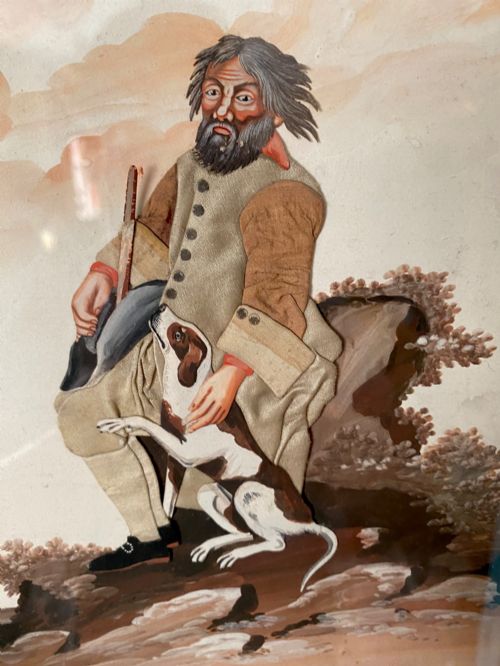
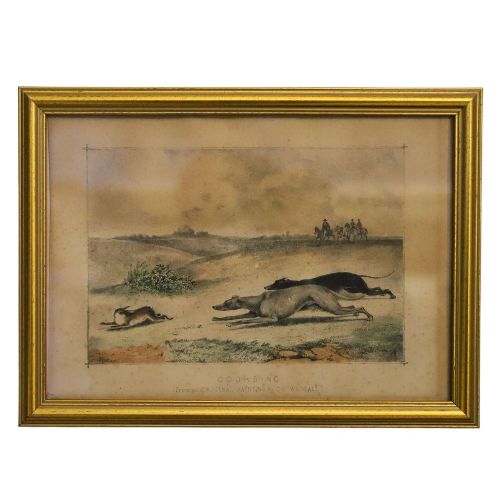
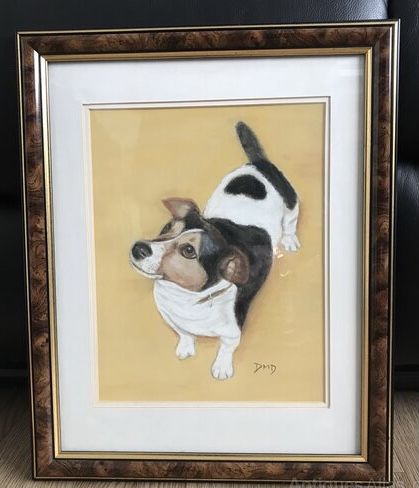
Buyers encounter oil paintings on canvas or board, watercolours under glass, and period lithographs. Some pieces portray named dogs and their litters with individual character, while others place sporting dogs within expansive moorlands or wooded clearings alongside their masters.
How they were made
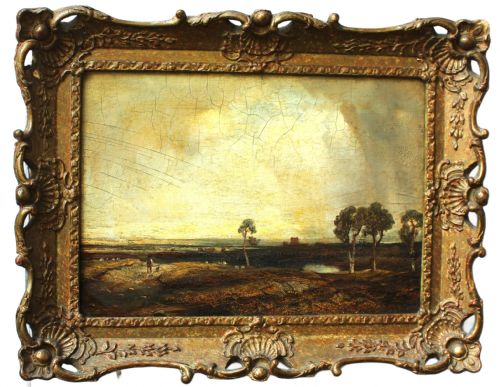
Artists worked primarily in oil paint on canvas or wooden panel, building up rich textures for the fur and landscapes through layered brushwork. Watercolours on paper, often protected beneath glass, capture lighter pastoral scenes and detailed canine portraits.
Frames are integral to the presentation, featuring gilt wood moulded with traditional gesso ornament suited to nineteenth-century interiors. Lithographs utilised fine printed lines finished with hand-applied colour to distribute popular sporting subjects widely.
English Country Dog Picture Retail Price Guide 2026
Typical asking prices for english country dog picture among the pieces listed under this phrase on Sellingantiques today, from the lower quarter to the upper quarter. They describe what is for sale here now, not the wider market.
Listings feature oil paint, canvas, watercolour, paper, and gilt wood from the nineteenth century.
What varies in quality
The anatomical accuracy and expressive capture of the animal distinguish finer works from simpler decorative pieces. Master painters render the specific musculature, coat texture, and alertness of a breed with confident, fluid brushstrokes rather than stiff outlines.
The depth of the surrounding landscape and the integration of the dog within its natural environment elevate a composition. Superior works convey atmosphere, light, and weather that anchor the animal authentically in the English countryside.
Samuel Raven·Colin Graeme Roe·John Emms·Charles Hunt Jnr·Dean Wolstenholme
The English Country Dog Picture Glossary
- Lithograph
- A print made from a flat stone or metal plate treated to retain ink only in the desired design. This technique allowed nineteenth-century artists to reproduce detailed sporting images for wider publication.
- Naïve school
- An aesthetic produced by artists with little or no formal academic training, often characterised by charming perspective and direct observation. These works possess a distinct rural character.
- Sporting art
- Depictions of field sports, game, horses, and hounds associated with country pursuits. This genre flourished through the nineteenth century across Britain.
- Gilt wood
- Wood carved and coated with a thin layer of gold leaf or metallic powder. It provides traditional frames for period oil paintings.
English Country Dog Picture: Frequently Asked Questions
How do I identify a Victorian dog painting?
Victorian dog paintings often display distinct canvas preparation, typical nineteenth-century stretcher frames, and stylistic traits associated with sporting art of the period.
Brushwork and framing methods provide further clues to date the piece accurately alongside the subject matter.
Were these paintings made as portraits?
Many works record specific valued hounds or gundogs owned by country gentlemen, sometimes inscribed with the animal's name.
Other compositions use dogs as pastoral elements within wider landscape or genre scenes.
How should I hang an oil painting?
Oil paintings on canvas require stable wall environments away from direct sunlight and excessive temperature fluctuations.
Ensure the wall fixings match the substantial weight of period gilt wood frames.
What is the difference between oil and watercolour?
Oil paintings utilise suspended pigments in drying oils on canvas or board, offering rich texture and deep colour saturation. Watercolours use water-soluble pigments on paper and require glass protection against moisture.