




English Country Decor
English country decor gathers oil paintings, painted toleware, and utilitarian wood into warm interiors that reflect generations of rural life.
English Country Decor
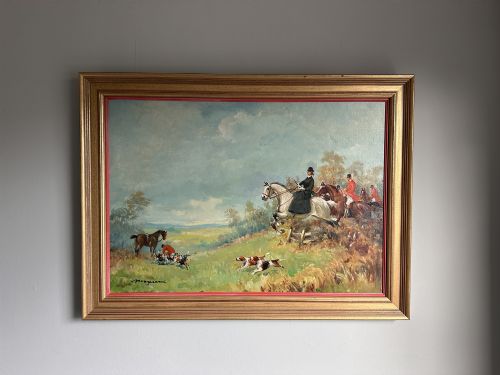
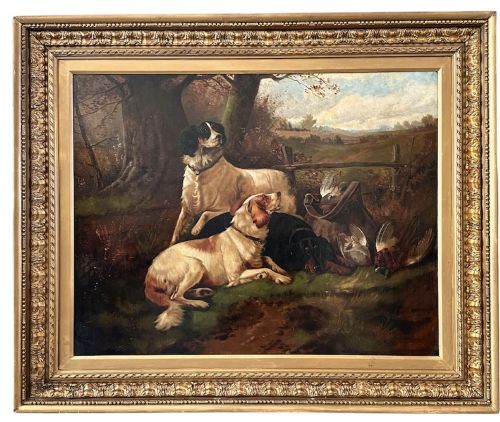
English country decor encompasses rural items and artworks that bring the character of historic countryside houses into modern spaces. Buyers seeking this aesthetic will encounter oil paintings of sporting dogs and farm landscapes alongside brass and wood items.
The objects span from the eighteenth century through the mid-twentieth century, capturing shifting domestic tastes in rural Britain. Everyday utility items sit alongside framed artworks and decorative porcelain.
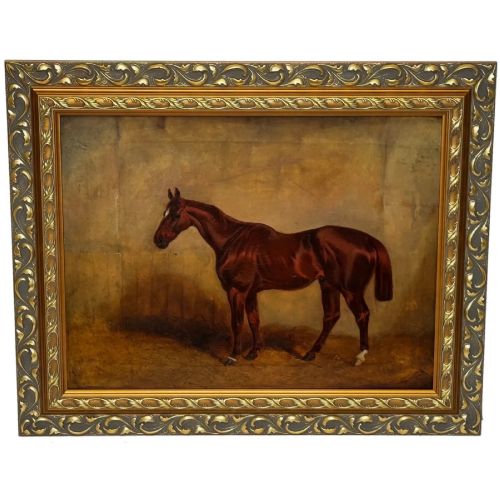
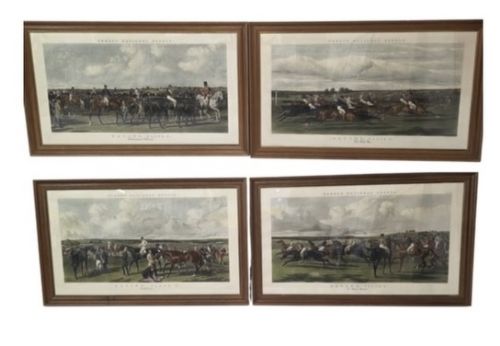
Victorian and nineteenth-century pieces dominate the selection, offering portraits of animals, hunting scenes, and domestic accessories. These items reflect a traditional lifestyle rooted in the English countryside.
Materials and Craftsmanship
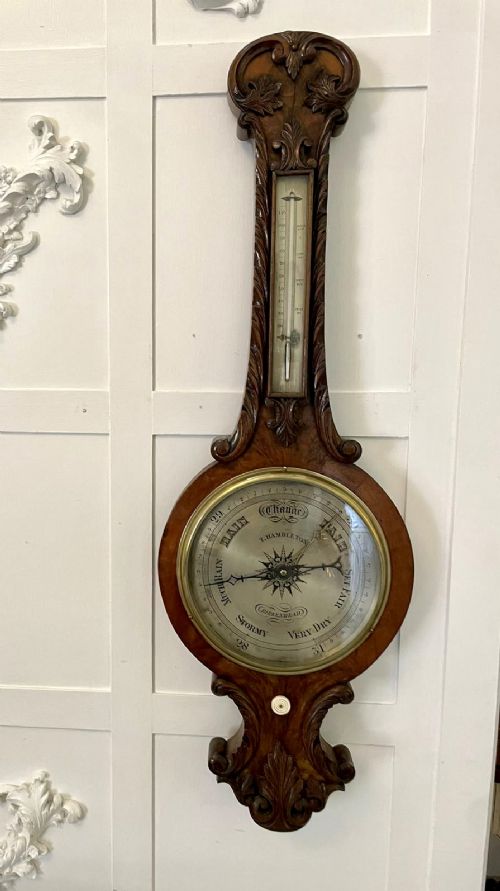
Wood, brass, and canvas form the primary materials of these pieces, showing traditional British craftsmanship from various periods. Artisans shaped oak, beech, and burr walnut into functional items like dairy yokes, candle boxes, and barometers.
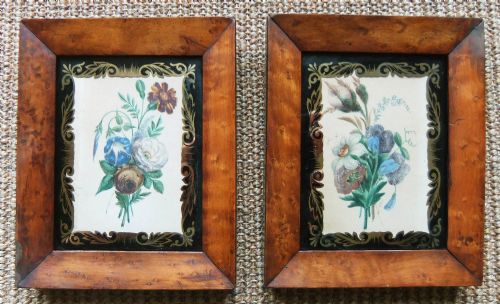
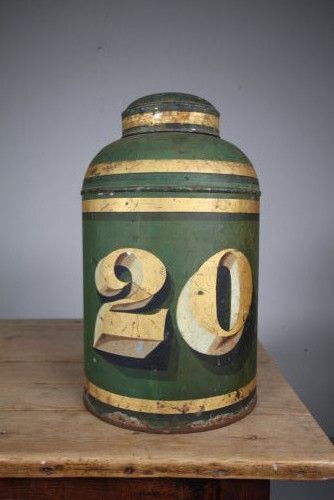
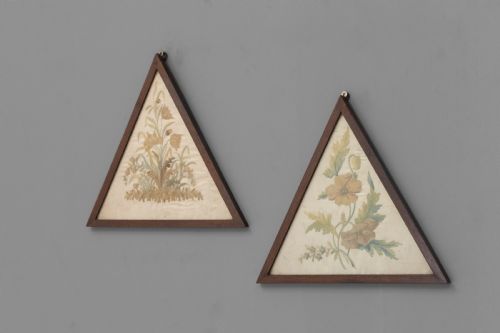
Painters used oil on canvas, watercolours, and pastels to record landscapes, florals, and sporting animals, often framed behind glass. Metalworkers shaped brass, paktong, and tinned iron to create durable domestic items such as watering cans and tea canisters.
English Country Decor Retail Price Guide 2026
Typical asking prices for english country decor among the pieces listed under this phrase on Sellingantiques today, from the lower quarter to the upper quarter. They describe what is for sale here now, not the wider market.
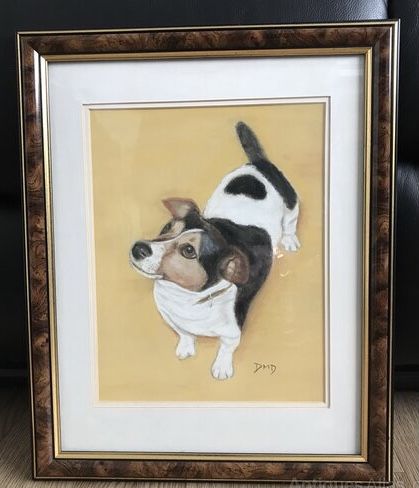
Even the family terrier gets immortalised in oil paint, often looking thoroughly fed up.
Assessing Quality and Execution
The fidelity of the brushwork in oil paintings and watercolours separates standard decorative works from accomplished artistic examples. Naturalistic proportions in animal paintings and depth in landscape perspectives indicate superior execution by the artist.
The preservation of original painted surfaces on toleware and wood items dictates their standing among collectors. Subtle patination on brass and timber surfaces shows authentic age without obscuring the original form.
Jennens & Bettridge·Minton·Wedgwood
The English Country Decor Glossary
- Toleware
- Japanned or painted metalware, usually iron or tin, decorated with floral or landscape motifs. These items served functional domestic roles in country houses.
- Paktong
- A copper-nickel-zinc alloy originating from China, used in Georgian Britain for bright decorative metalware. It mimics silver while offering greater durability.
- Chrystoleum
- A Victorian method of applying a hand-coloured print to glass and backing it with paint or paper. This technique created a translucent, glossy image.
- Jasper ware
- A type of fine stoneware developed by Wedgwood, featuring applied white reliefs against a coloured matte background. It remains distinct for its neoclassical motifs.
- Barometer
- An instrument used to measure atmospheric pressure, often housed in carved wooden cases during the Victorian period. These served both practical and decorative functions.
English Country Decor: Frequently Asked Questions
What defines english country decor?
English country decor relies on traditional materials like wood, brass, and canvas to create a lived-in, rural aesthetic. It embraces items that reflect historic country house interiors.
The style brings together fine art, such as sporting oil paintings, alongside functional domestic objects like toleware tea tins and brass watering cans.
How were these items used originally?
Many objects served practical daily functions in rural homes and estates, from carrying milk with a wooden yoke to storing food in pottery barrels.
Other pieces, including framed hunting prints and pastoral watercolours, were displayed purely for decoration within nineteenth-century parlours and drawing rooms.
How do I style these pieces at home?
Grouping oil paintings of animals or landscapes together creates a classic gallery wall reminiscent of a historic country house interior.
Functional antiques like brass candlesticks and painted tea canisters can sit on tables and sideboards to add texture and historical depth to modern rooms.
How can I tell the age of these items?
Material choices, construction methods, and painting styles help narrow down the period, such as eighteenth-century oak boxes or Victorian burr walnut barometers.
Signatures, artist attributions, and stylistic traits like nineteenth-century brushwork provide further clues to when a specific piece was made.