
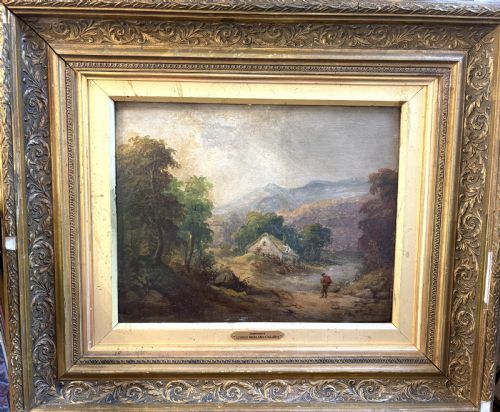


English Cottage Oil Painting
An English cottage oil painting captures the quiet romance of rural life through the brush of artists spanning the nineteenth and twentieth centuries.
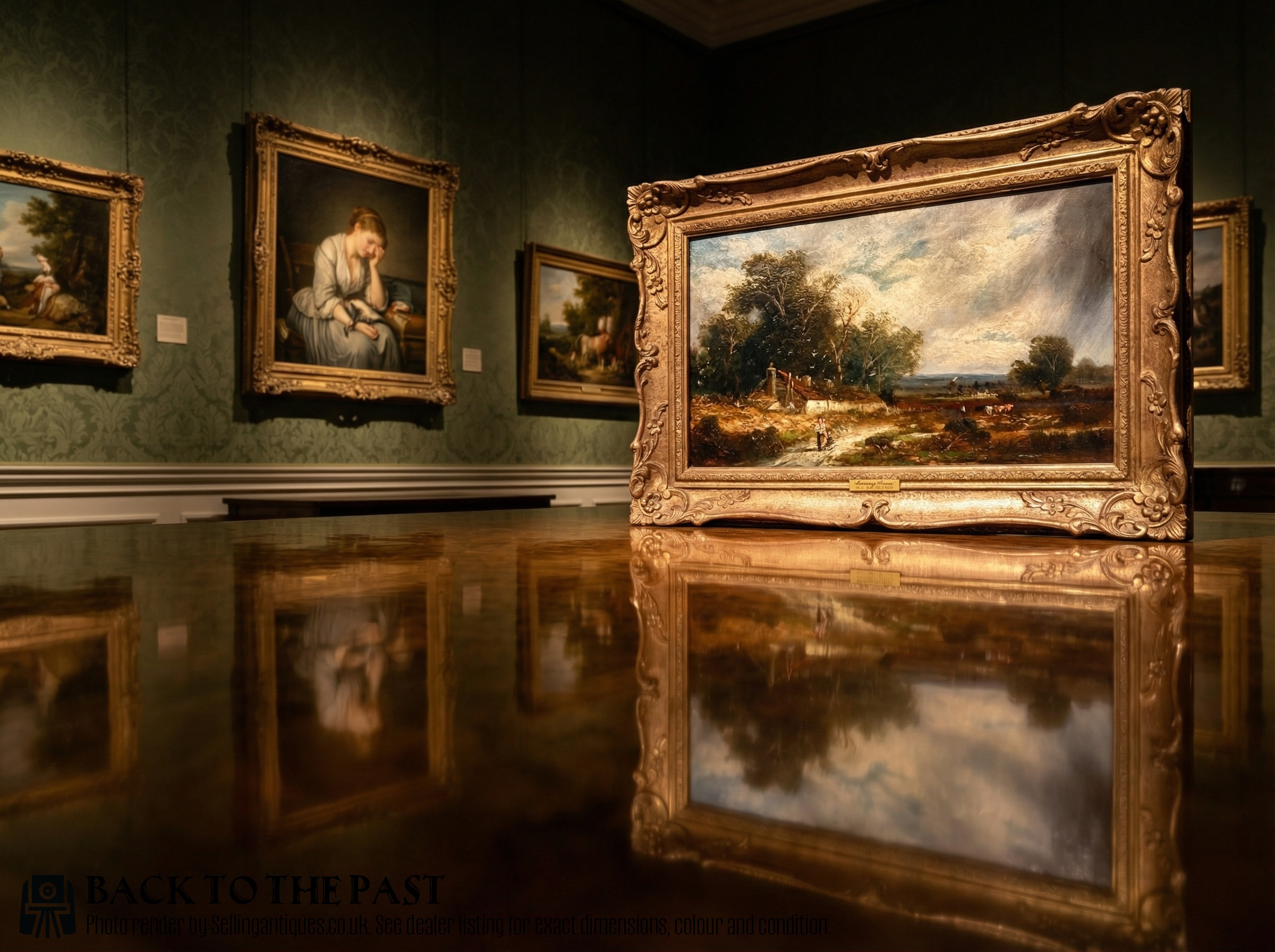
English Cottage Oil Painting
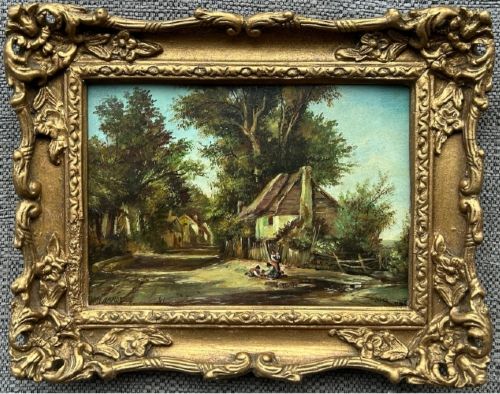
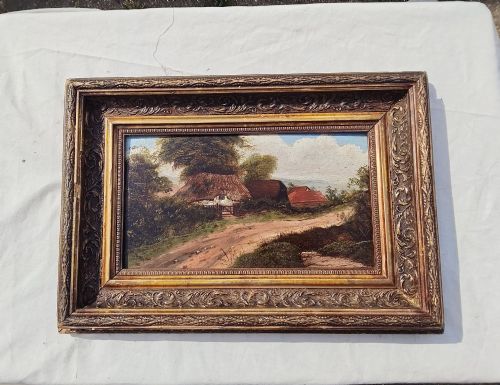
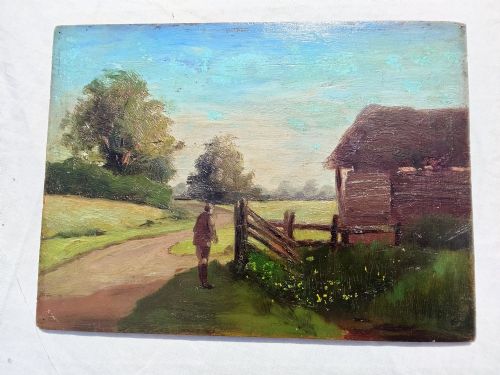
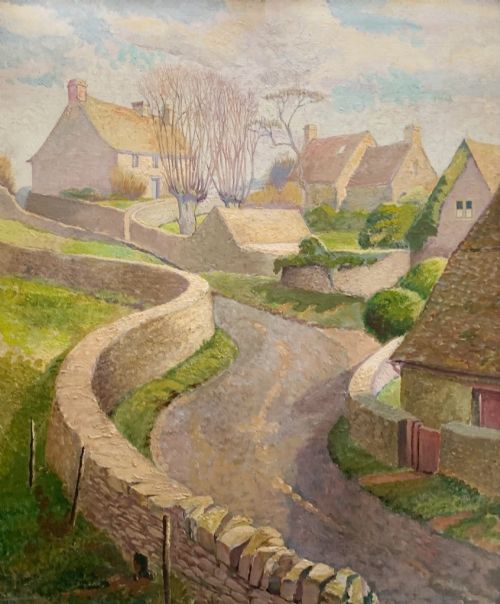
An English cottage oil painting depicts rural scenes featuring historic dwellings, farmsteads, and pastoral landscapes across the British countryside. The pieces available here span from the nineteenth century through the mid-twentieth century, capturing vernacular architecture like thatched roofs alongside figures, livestock, and gardens. Buyers frequently encounter works by named regional artists and anonymous members of the English School working on canvas, panel, or card.
The compositions range from intimate genre scenes of cottage interiors and gardens to sweeping river valleys and farming landscapes. Victorian examples often blend domestic life with detailed natural surroundings, while early twentieth-century pieces lean towards impressionistic treatments of light and foliage. These works document a vanished rural tranquility that continues to attract collectors of pastoral art.
How They Were Made
Artists utilised oil paint applied to prepared canvas, wooden boards, panels, or card to build up rich, layered textures. The pigment was manipulated with brushes and sometimes palette knives to capture the play of light on thatched roofs, foliage, and water.
What Varies in Quality
The distinction between standard works and exceptional examples lies in the confidence of the brushwork and the handling of atmospheric light. Master painters balance detailed architectural elements with fluid natural backgrounds, whereas lesser pieces can rely on stiff repetition and muddy colour mixing.
Provenance and attribution also elevate a work, as signed pieces by documented regional painters or members of established schools command greater scholarly and aesthetic interest than anonymous student or amateur efforts.
George Morland·John Horace Hooper·Charles Vickers·Robert Gallon·Ernest Higgins Rigg·Abraham Hulk Junior
The English Cottage Oil Painting Glossary
- English School
- A term applied by historians to British artists working within shared regional or stylistic traditions without belonging to a specific formal academy. It frequently designates anonymous or unattributed nineteenth-century paintings.
- Genre painting
- The depiction of subjects from everyday life, such as family scenes or agricultural labour around a cottage. These works offer social history alongside landscape views.
- Gesso
- A plaster-like mixture applied to wooden panels or frame mouldings as a smooth base for painting or gilding. It provides a durable ground that stabilizes the oil medium.
- Pastoral
- A style of art that idealises rural life, shepherds, and country cottages in a harmonious natural setting. This genre dominated British landscape painting for generations.
- Provenance
- The documented history of a painting's ownership from its creation to the present day. A clear record enhances the historical value of antique art.
English Cottage Oil Painting: Frequently Asked Questions
What subjects appear in these paintings?
The compositions typically feature historic rural cottages, farmsteads, and country gardens populated by figures, children, or farm animals. Many views incorporate rivers, cornfields, and local village scenery.
Artists also recorded domestic scenes set both outside cottage doors and within traditional interiors, documenting everyday rural existence.
How do I date an oil painting?
Dating relies on stylistic evidence, artist signatures, framing techniques, and the material support used, such as canvas, millboard, or wooden panels. Nineteenth-century works often display distinct Victorian framing and academic brushwork.
Mid-century pieces shift toward lighter palettes and looser impressionistic application, aligning with early twentieth-century movements.
Where should I hang these artworks?
These pastoral scenes suit traditional living spaces, studies, or dining rooms where their warm earth tones can complement classic interiors. They pair well with natural wood finishes and period furniture.
Direct sunlight should be avoided to protect the oil pigments and original gilt frames from fading or thermal damage.
What is the English School?
The English School refers to generations of British painters who recorded the landscape and rural life without necessarily adhering to the strict rules of portraiture or history painting. It encompasses both celebrated academicians and competent regional artists.
Paintings attributed to this grouping often capture authentic local topography and vernacular architecture.