



English Copper Metalware
English copper metalware encompasses domestic vessels and cookware forged in Britain across the eighteenth and nineteenth centuries.
English Copper Metalware
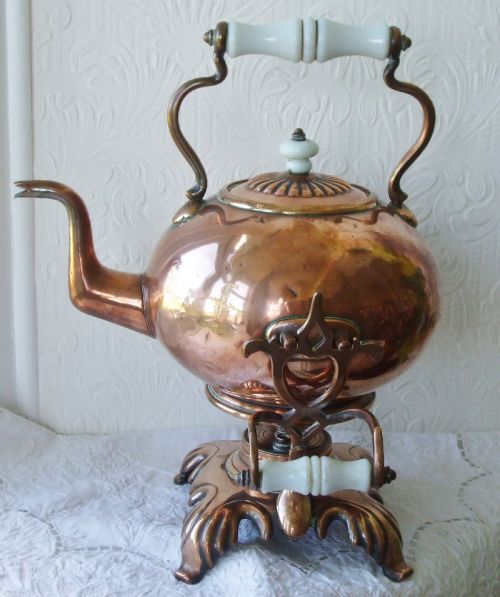
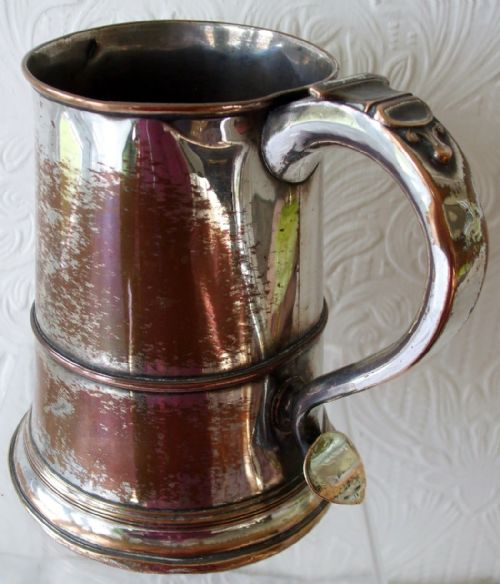
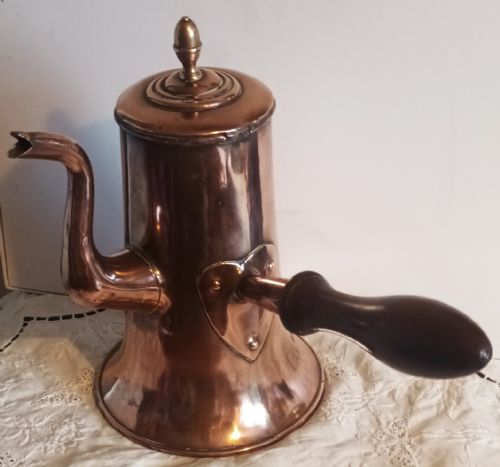
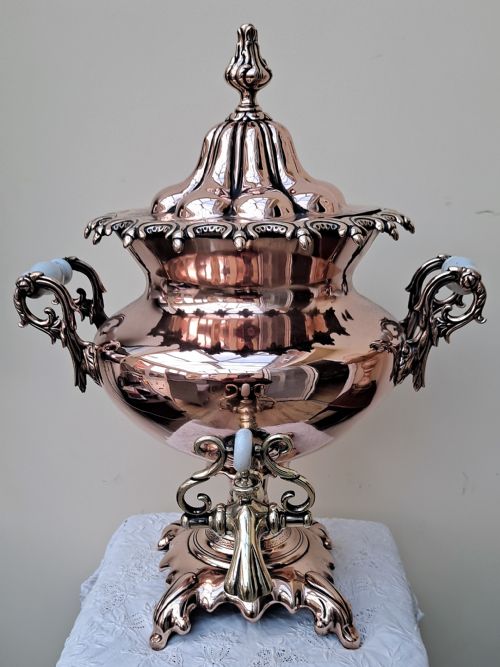
English copper metalware comprises utilitarian and decorative domestic objects spanning the Georgian, Victorian, and Arts and Crafts periods. Buyers seeking these items encounter a diverse range of forms, from coffee pots and kettles to jugs, saucepans, and large tea urns.
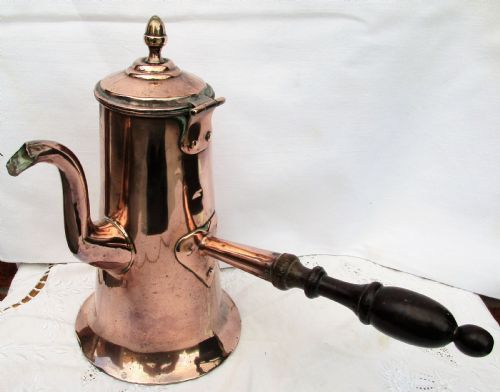
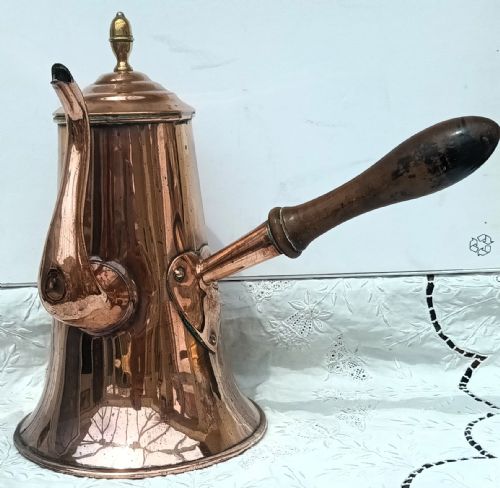
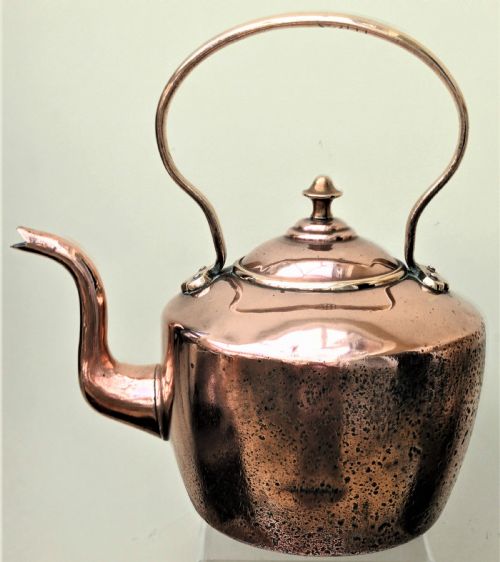
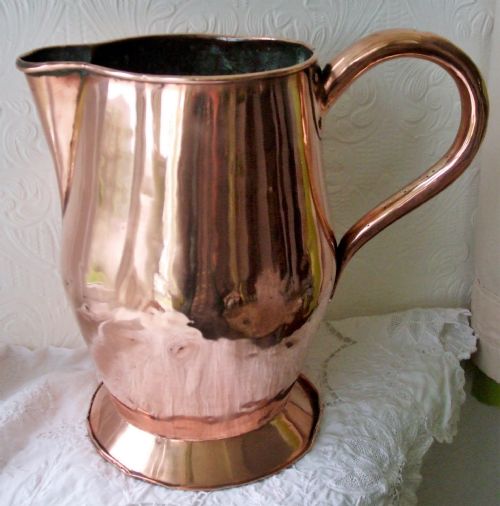
Coffee pots and kettles dominate the selections, alongside serving jugs and specialised cookware such as duck roasting pans and jelly moulds. These pieces bridge the gap between heavy kitchen utility and polished parlour display.
Origins trace from the mid-eighteenth century through to the late Victorian era, capturing shifts in domestic hospitality and hearth equipment. The domestic output relies heavily on copper, often paired with brass, turned wood, and tin linings.
Materials and construction methods
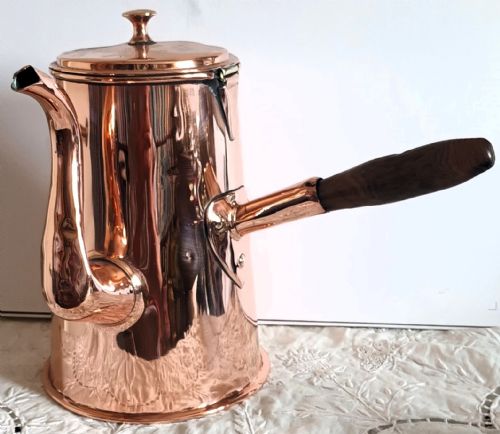
Makers shaped sheet copper by hand or mechanical pressing, frequently employing dovetail seams or brazing to join the heavy metal walls. Handles often incorporate turned fruitwood or brass to insulate against heat during daily kitchen or table use.
Internal surfaces typically received a protective lining of tin to prevent copper toxicity during food and liquid preparation. Accents of bell metal, bronze, and old Sheffield plate appear on spigots, feet, and decorative mounts, adding structural contrast.
English Copper Metalware Retail Price Guide 2026
Typical asking prices for english copper metalware among the pieces listed under this phrase on Sellingantiques today, from the lower quarter to the upper quarter. They describe what is for sale here now, not the wider market.
Listings span the Georgian, Victorian, and Arts and Crafts styles, utilising copper, brass, bronze, and old Sheffield plate.
Distinguishing quality and craftsmanship
Quality rests in the weight of the gauge used and the precision of the hand-beaten or dovetailed seams. Heavier metal gauge indicates vessels intended for rigorous hearth use rather than lighter decorative display.
Maker marks, finely turned wooden handles, and original fittings elevate particular examples above standard utilitarian kitchenware. The integrity of the shape, from tall coffee pots to generous tea urns, defines the aesthetic merit.
William Soutter & Sons·Loftus of Oxford Street London·Benham's·J. G. Shaw - Chester·Jones Bros, Dow St. W
The English Copper Metalware Glossary
- Brazing
- Joining metals using a melted filler alloy at high temperatures. This technique secures handles and spouts to heavy copper bodies.
- Bell metal
- An alloy of copper and tin traditionally used for casting sounding vessels and taps. It provides durable fittings on tea urns and samovars.
- Old Sheffield plate
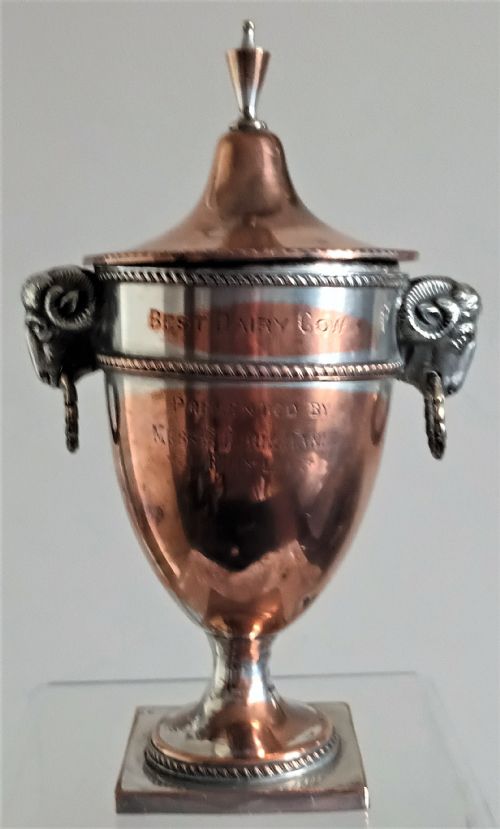
- A composite material made by fusing a thin layer of silver to a copper base. It appears on finer Georgian serving pieces and miniature urns.
- Chamberstick
- A low portable candleholder fitted with a handle and a drip pan. These small domestic items frequently combine brass and copper elements.
- Tranche
- A term related to trammels and hearth hanging gear used over open fires. It represents the broader utilitarian context of early metalware.
English Copper Metalware: Frequently Asked Questions
Are these copper pots safe for cooking?
Most antique copper vessels feature historical tin linings that may have worn thin or degraded through centuries of use and cleaning. Modern food safety standards require reassessing the interior lining before utilising them for active food preparation.
Many collectors prefer to display these items as decorative objects rather than risking damage to fragile antique interiors on modern hobs.
How do I distinguish Georgian from Victorian pieces?
Georgian copper items, dating roughly from the mid-eighteenth to early nineteenth century, frequently display hand-beaten surfaces, side handles, and distinct dovetailed seams. They often lean towards utilitarian forms like tapered coffee pots and heavy boiling kettles.
Victorian pieces tend to incorporate machine rolling, stamped maker marks, and more elaborate decorative motifs seen in samovars, jelly moulds, and later Arts and Crafts metalware.
What is the purpose of tin lining?
Copper reacts negatively with acidic foods and liquids, producing harmful compounds if ingested directly during cooking or beverage storage. Tin provides a safe, non-reactive barrier between the copper body and the contents.
This lining was essential for kettles, coffee pots, and milk jugs intended for daily consumption in British households.