



English Chest on Stand
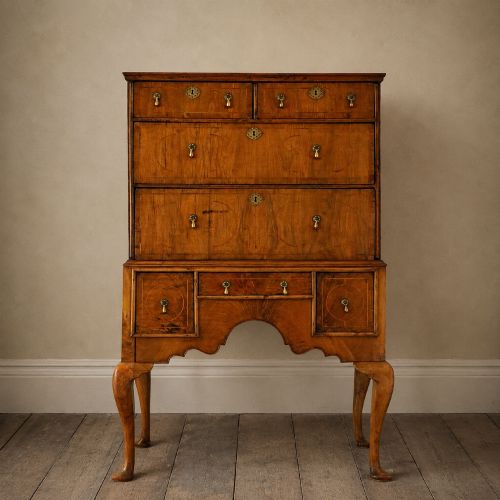
When you search for an english chest on stand, you seek a lifted storage piece combining a drawer section with a raised frame from earlier centuries.
English Chest on Stand
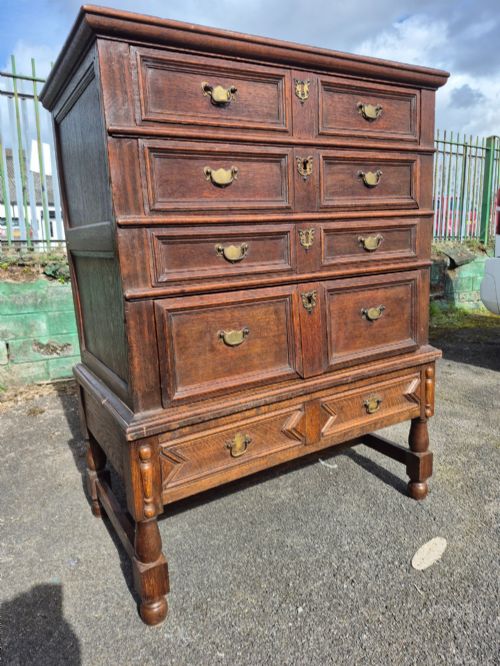
An english chest on stand pairs a drawer section with a raised base, creating a notable two-part form designed for domestic storage. Pieces span from the late seventeenth century through the Georgian era, alongside later revivals.
Early iterations frequently employ walnut, oak or exotic veneers on a supportive stand featuring shaped aprons and slender legs. Buyers encounter walnut and oak examples most often, reflecting the dominant woods of the William and Mary and Queen Anne periods.
How They Were Made
Cabinet makers utilised solid timber alongside complex veneer work, applying burr walnut, oyster pieces and crossbanding to primary surfaces. Carcases combined oak and pine for internal drawer construction, joined with hand-cut dovetails.
Stands integrated shaped stretchers and turned or cabriole legs to support the upper weight. Brass drop handles and escutcheons completed the construction, fastened with handmade pins.
Master specimen chests kept tiny drawers secret for botanical samples.
What Varies in Quality
The sophistication of the timber figure and the integrity of the veneer determine the upper tier of examples. Finer pieces display carefully matched burr walnut or meticulously laid oyster pieces across the drawer fronts.
Proportion and harmony between the upper chest and its support dictate overall success. Original stands matched perfectly to their carcases command greater appreciation than later or associated adaptations.
Mappin & Webb·Gillows·Roberson & Co
The English Chest on Stand Glossary
- Crossbanding
- A narrow strip of veneer laid perpendicular to the grain of the primary surface. This technique frames drawer fronts and top boards on walnut and mahogany pieces.
- Oyster veneer
- Circular slices cut transversely from small branches or roots, creating distinctive rings. Cabinet makers arranged these patterns closely across seventeenth-century surfaces.
- Associated stand
- A base united with an upper chest at a later date rather than originating as a single piece. Dealers note this distinction when stands and carcases originate from different decades.
- Chinoiserie
- European imitation of traditional Chinese artistic motifs and lacquerwork. Japanned finishes on early stands display this decorative technique.
English Chest on Stand: Frequently Asked Questions
What is an english chest on stand?
An english chest on stand is a storage furniture form featuring a main drawer carcase elevated on a separate frame or legs. This design elevates the storage section for ease of access and visual lightness.
Such pieces evolved from late seventeenth-century cabinet-making traditions, moving heavy storage off the floor. They remain versatile statement items in traditional interiors.
How do I date an antique chest?
Dating relies on observing construction methods, timber choices and hardware styles across the piece. Early examples utilise oak or walnut with hand-cut dovetails and distinct leg turnings.
Later revival pieces from the Victorian and Edwardian eras often incorporate machine-sawn elements or historical revival motifs. Comparing secondary woods helps confirm the period of manufacture.
Where were these placed originally?
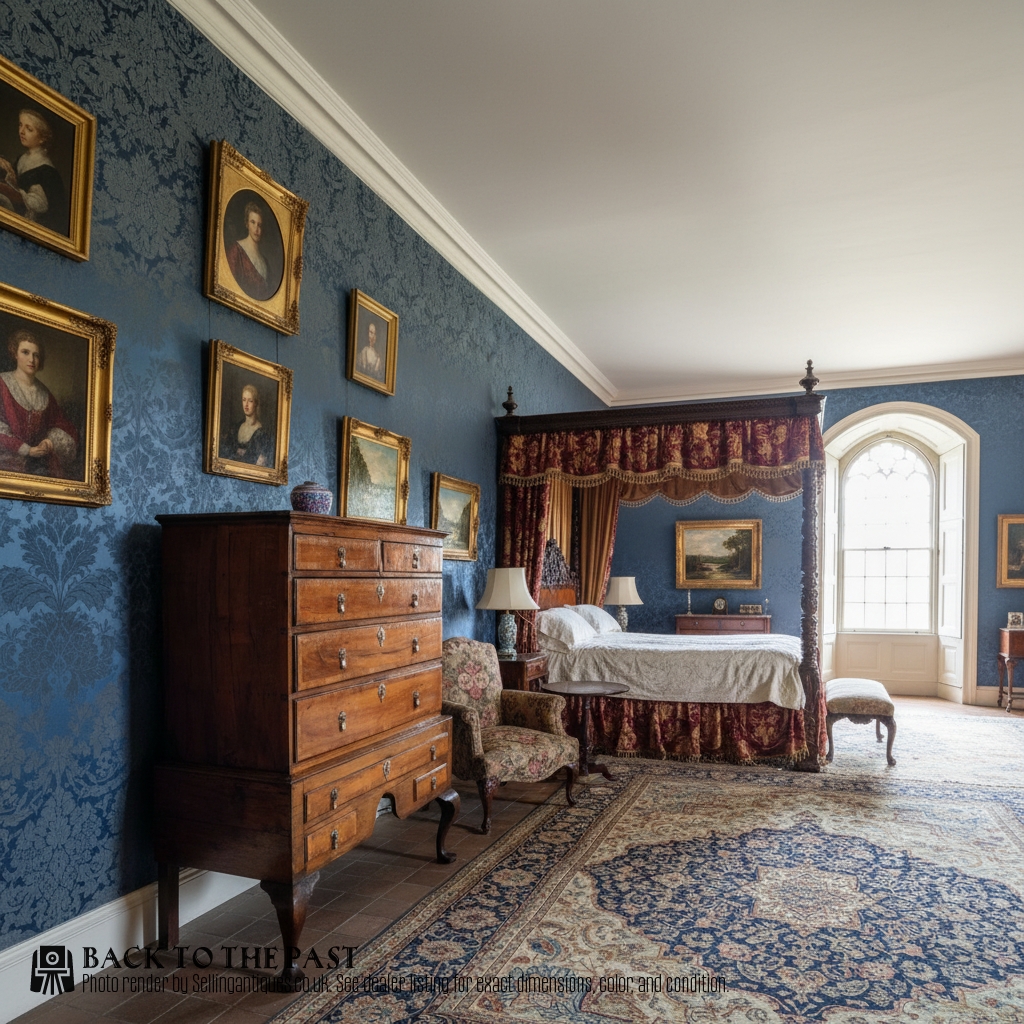
These cabinets served primarily in bedchambers, withdrawing rooms and grand hallways for storing textiles, documents or valuables. Their elevated stature kept contents away from cold, damp floors.
Today, they function effectively in living rooms or studies as focal storage units. Their compact footprint allows placement in tighter architectural spaces.
Are stands usually original to the chest?
Many surviving pieces feature stands that are associated or later replacements due to the vulnerability of slender legs over centuries. Careful examination of fixing points and timber ageing reveals whether stand and chest grew together.
Original matches remain scarcer and hold distinct interest for collectors. Associated stands still offer functional utility and period aesthetics.