





English Ceramic Tray
An English ceramic tray brings centuries of kilncraft to the table, offering practical service and hand-painted artistry for the modern collector.
English Ceramic Tray
When you search for an English ceramic tray, you examine domestic serving vessels, spoon trays, pickle dishes and meat platters produced across several centuries. These pieces encompass utilitarian earthenware, heavy ironstone and translucent porcelain made for the table or sideboard.
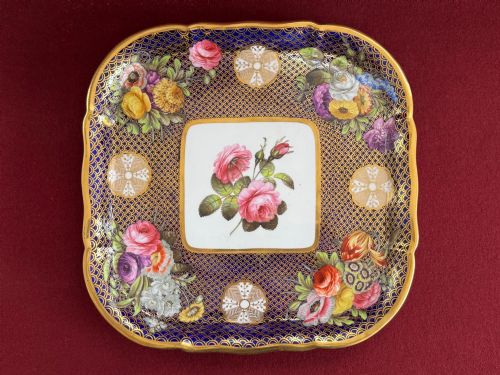
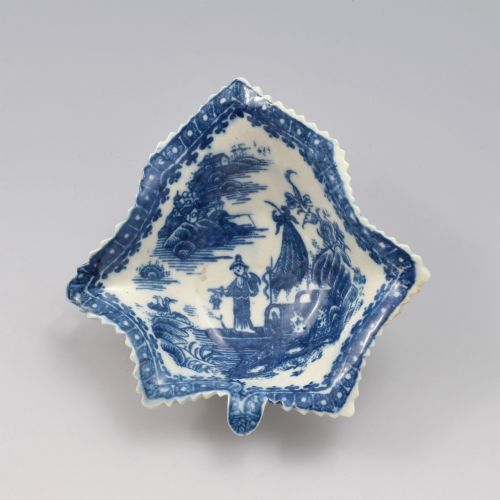
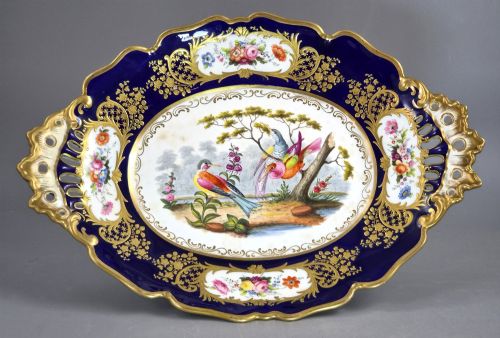
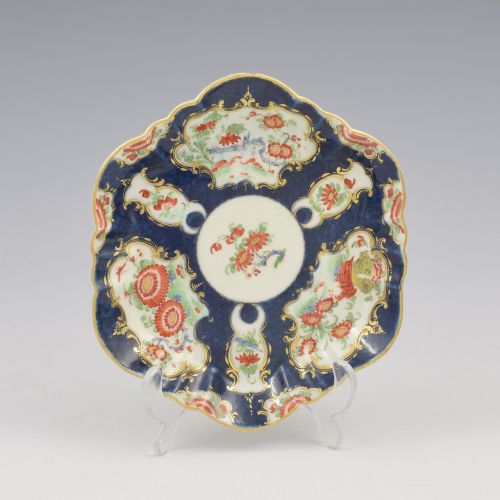
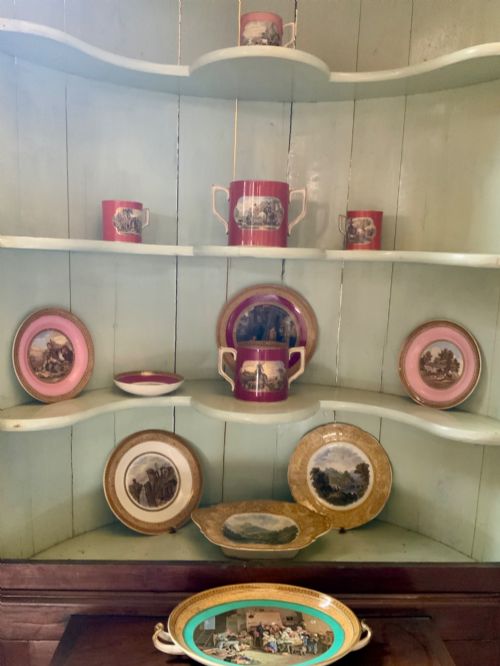
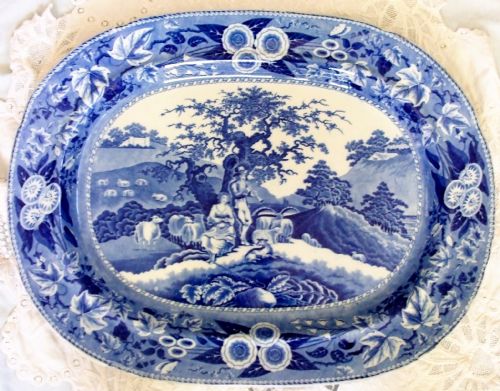
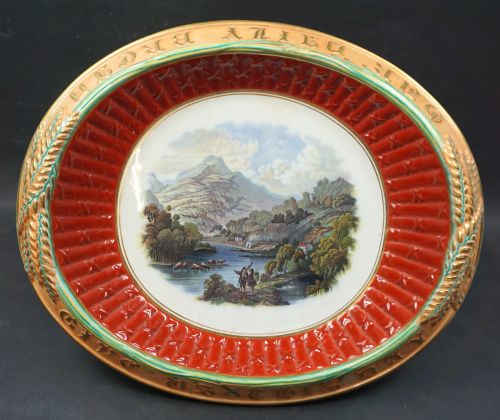
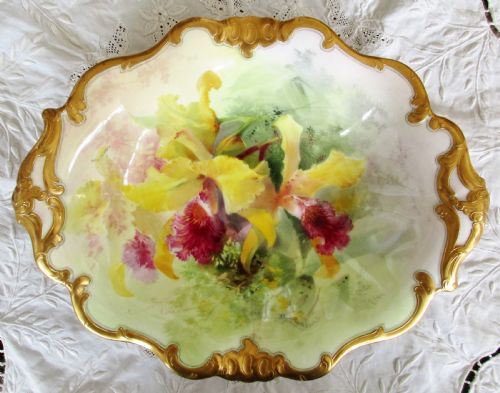
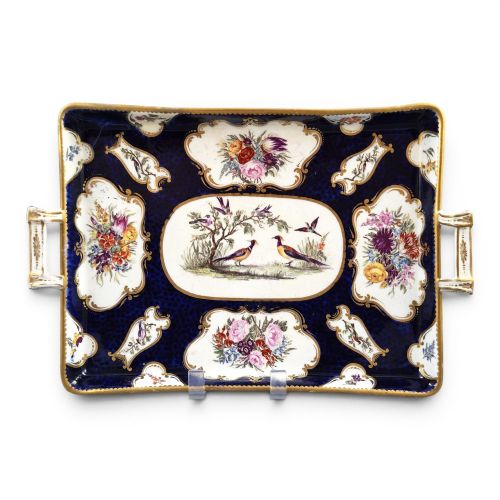
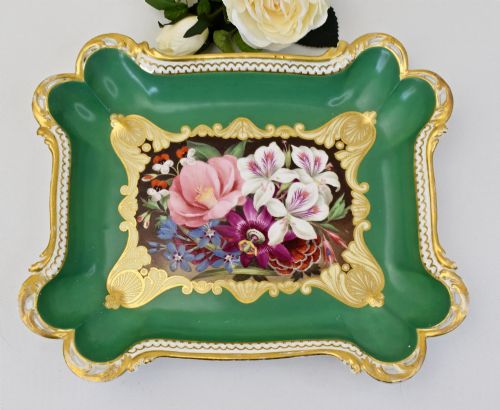
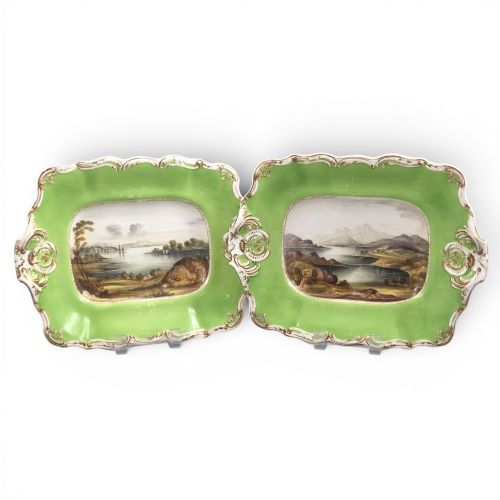
The selections span Georgian transferware, Victorian Chinoiserie and Edwardian hand-painted fruit studies. You will frequently encounter blue and white transfer-printed earthenware alongside richly gilded porcelain from notable factories.
Forms range from small leaf-shaped pickle dishes to large well-and-tree meat platters designed for formal dining. Each object reflects the changing domestic habits and aesthetic tastes of British households over the generations.
How they were made
Potters shaped local clays, refined earthenware and porcelain pastes before firing them in wood or coal-fired kilns. Artisans applied tin or lead glazes to create smooth, impervious surfaces suitable for food service.
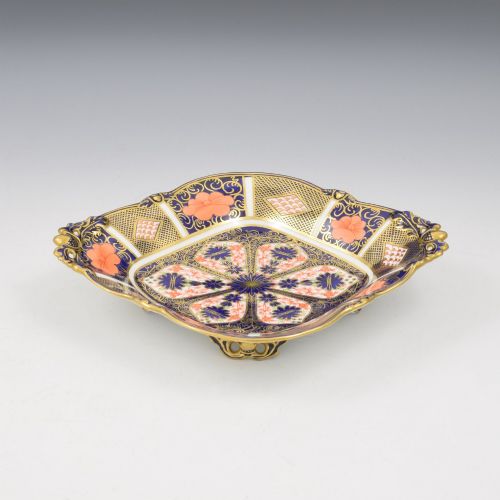
Decoration relied on underglaze blue transfer printing from engraved copper plates or meticulous hand-painting using enamel colours and gold leaf. Many pieces underwent multiple firings to fix the intricate polychrome designs and metallic gilding.
English Ceramic Tray Retail Price Guide 2026
Typical asking prices for english ceramic tray among the pieces listed under this phrase on Sellingantiques today, from the lower quarter to the upper quarter. They describe what is for sale here now, not the wider market.
Decoration styles range from Georgian blue and white transfer prints to Victorian Chinoiserie and hand-painted fruit.
What varies in quality
Quality rests upon the crispness of the transfer print, the steadiness of the potter's hand in polychrome painting and the translucency of the body. Superior pieces display deep, even glazes free from excessive kiln dust or warping.
The reputation of the maker and the complexity of the form distinguish standard domestic wares from cabinet pieces. Master painters and prestigious porcelain works achieved finer detail and more harmonious colour palettes.
Spode·Royal Crown Derby·Caughley·Coalport·Worcester·Staffordshire·Royal Doulton·Copeland and Garrett·Doe and Rogers·Royal Worcester·Don Pottery·Minton·Mason·John Rogers and Son·J and R Clews·Thomas Lakin
The English Ceramic Tray Glossary
- Ironstone
- A dense, durable type of earthenware patented in the nineteenth century to rival true porcelain. It withstands heavy daily use.
- Pearlware
- A refined earthenware developed in the late eighteenth century featuring a bluish glaze that pooled in recesses to mimic Chinese porcelain. It bridges creamware and later white earthenware.
- Transferware
- Pottery decorated by pressing a design engraved on a copper plate onto tissue paper, then transferring the ink onto the ceramic body before glazing. This technique allowed for intricate, repeatable patterns.
- Imari
- A decorative style inspired by Japanese export wares, characterised by underglaze blue, iron red and abundant gold leaf. English factories adapted this palette enthusiastically.
- Pickle dish
- A small, often leaf-shaped or shell-shaped vessel used on the dining table for holding relishes and pickles. These delicate items were produced in quantity by eighteenth-century porcelain works.
English Ceramic Tray: Frequently Asked Questions
How were these trays used?
These pieces served practical roles at the dining table, holding meats, vegetables, condiments and tea utensils. Smaller trays managed spoons or small pickles during formal meals.
Larger platters and well-and-tree designs handled heavy roasts, capturing juices in dedicated wells. Over time, many transitioned from active service to decorative display on walls and sideboards.
How do I date an English ceramic tray?
Examine the base for factory marks, pattern numbers and impressed ciphers that correspond to manufacturer date codes. The type of body, from early soft-paste porcelain to ironstone, also narrows the production era.
Stylistic cues such as blue and white transfer scenes or Victorian floral motifs provide further chronological markers. Comparing the piece to documented factory patterns confirms the decade of manufacture.
Can I use these trays for serving food today?
Most antique ceramic trays remain structurally sound for serving dry foods or presentation purposes. However, lead glazes on very early earthenware require caution with acidic foods.
Pieces featuring heavy gilding or delicate overglaze enamel work are best reserved for display to prevent wear on the historic surfaces.