




English Ceramic Mug
These English ceramic mug examples bring centuries of utilitarian craft and cabinet display into daily use.
English Ceramic Mug
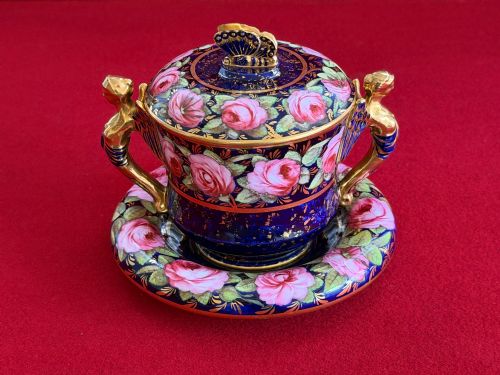
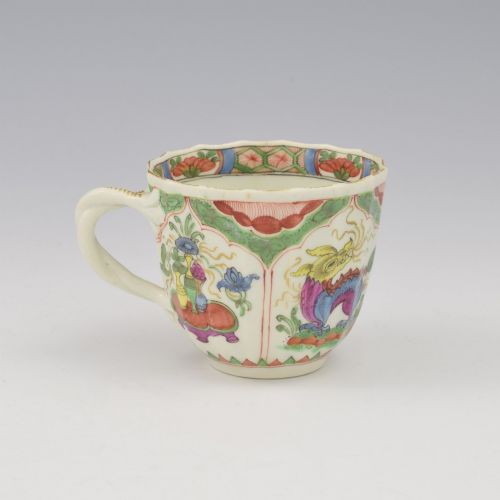
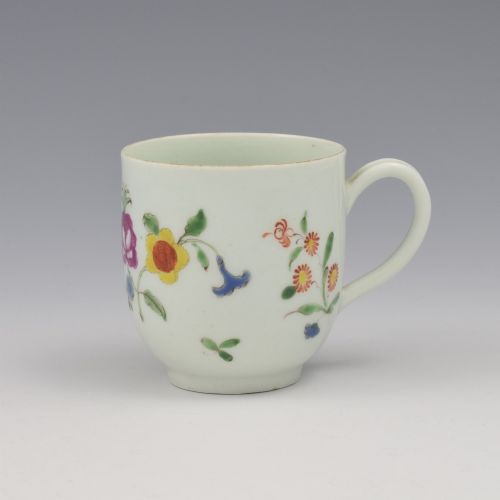
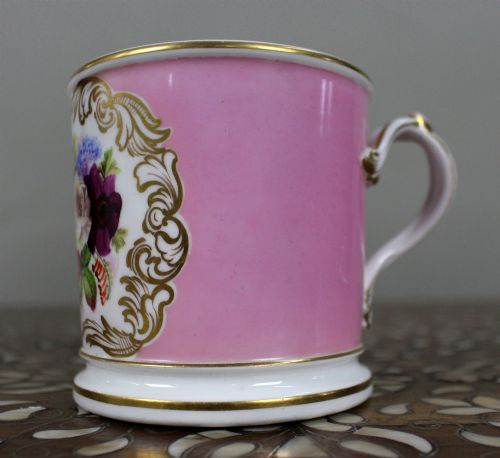
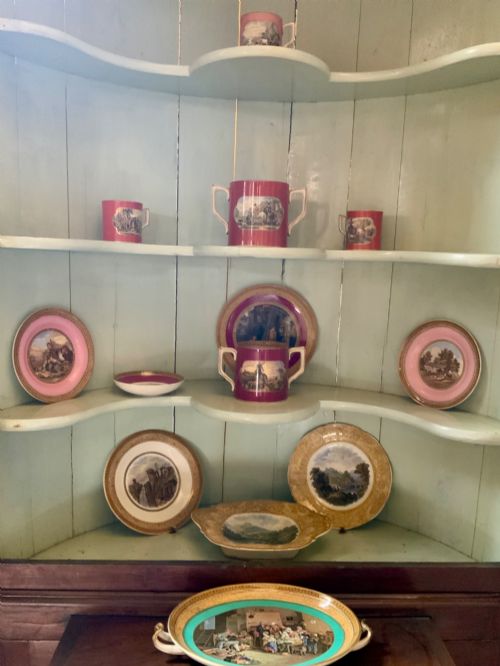
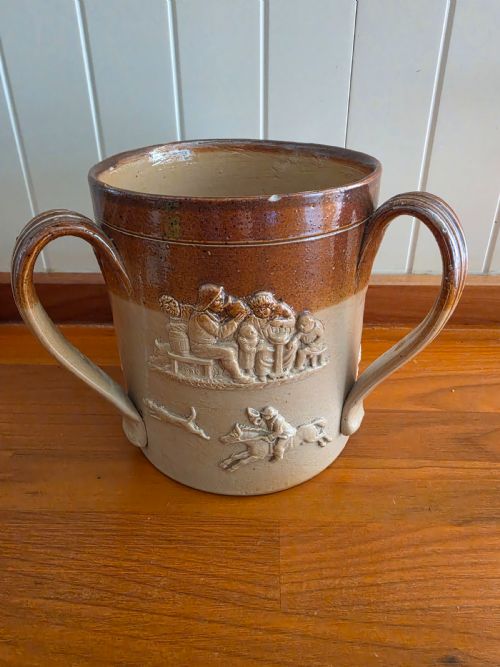
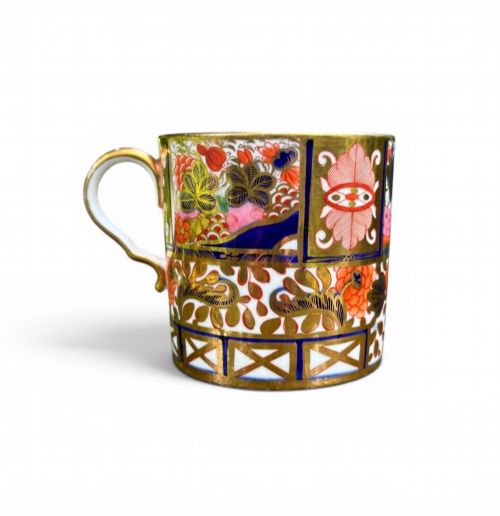
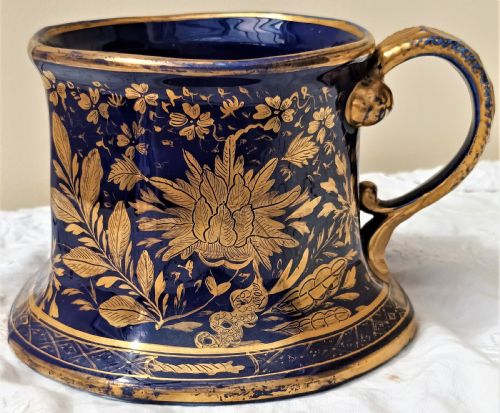
An English ceramic mug spans robust drinking vessels for daily tavern ale and delicate porcelain cups intended for polite eighteenth-century tables. The pieces found on this page move from Georgian earthenware and pearlware jugs through Regency porcelain porter mugs to Victorian stoneware tygs.
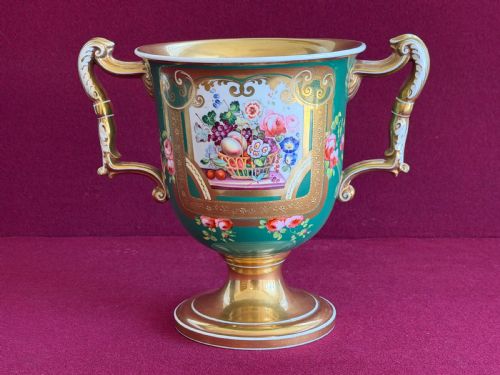
Mugs and tankards appear alongside specialised forms like three-handled tygs, chocolate cups, and surprise frog mugs fitted with internal ceramic figures. The variety includes heavy salt-glazed stoneware and fine bone or soft-paste porcelain painted with landscapes, chinoiserie patterns, or heraldic motifs.
The material origins trace across historic manufacturing centres such as Worcester, Derby, Liverpool, and Staffordshire. Buyers encounter everything from utilitarian Staffordshire pottery to finely potted Worcester porcelain intended for wealthy patrons.
Materials and methods
Makers shaped these vessels using earthenware, stoneware, and soft-paste or hard-paste porcelain, applying lead glazes, enamel colours, and occasional gold leaf. Potters threw simple forms on the wheel or cast refined porcelain in moulds before firing them in wood or coal-burning kilns.
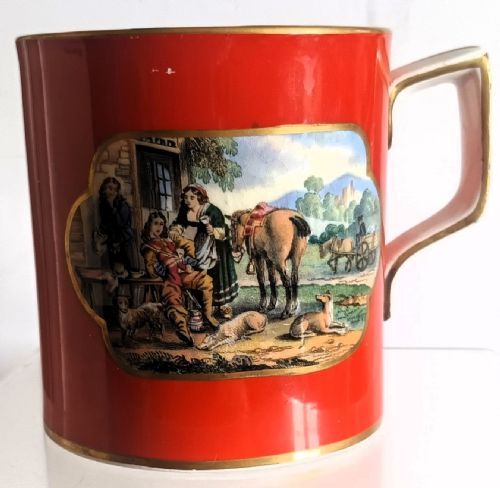
Decoration relied on hand-painted polychrome scenes, blue and white transfer printing, and relief moulding. Specialised techniques include the raised paste gilding seen on luxury Regency pieces and the incised pâte-sur-pâte slip decoration found on later Victorian stoneware tygs.
English Ceramic Mug Retail Price Guide 2026
Typical asking prices for english ceramic mug among the pieces listed under this phrase on Sellingantiques today, from the lower quarter to the upper quarter. They describe what is for sale here now, not the wider market.
Several eighteenth-century mugs conceal small ceramic frogs inside, designed to surprise thirsty drinkers at the bottom of a pint.
Judging quality and execution
The distinction between utilitarian wares and cabinet pieces rests on the precision of the throw, the purity of the body, and the skill of the enamel painter. Superior pieces demonstrate crisp moulding, controlled kiln temperatures that prevent warping or glaze pitting, and hand-painted miniature work executed by named manufactories.
Subtle details separate standard production from exceptional output, such as the translucency of an eighteenth-century porcelain body versus the dense weight of utility ironstone. Hand-pitted salt-glazed stoneware relies on uniform bubble distribution, while porcelain demands flawless polychrome enamel adherence without firing cracks.
Richard Chaffers·Grainger Worcester·Doulton Lambeth·Mason's Ironstone·Royal Worcester·Stevenson and Hancock·Hadley Worcester·H and R Daniel
The English Ceramic Mug Glossary
- Tyg
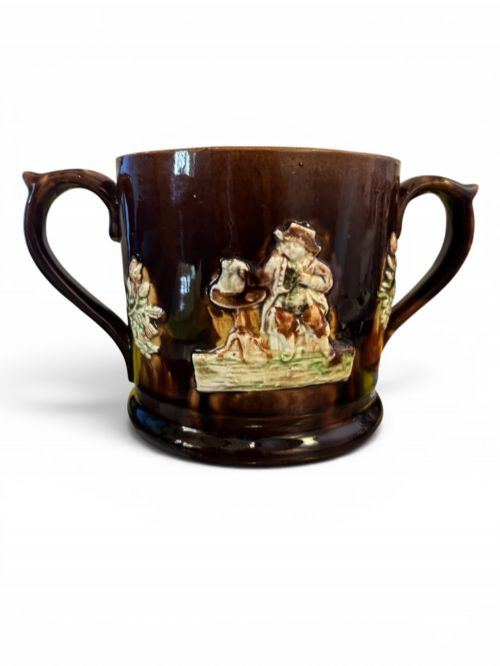
- A large drinking vessel with three or more handles, designed to be passed around a company at table. These multi-handled mugs frequently appeared in stoneware and earthenware during the seventeenth, eighteenth, and nineteenth centuries.
- Pearlware
- An earthenware body developed by Josiah Wedgwood in the late eighteenth century, featuring a thin glaze with a slight bluish tint that pooled in crevices. It successfully imitated Chinese export porcelain.
- Transfer printing
- A decoration technique where an engraved copper plate transfers a design onto tissue paper, which is then stamped onto the ceramic body before glazing and firing. This method allowed intricate scenes like hunting parties or chinoiserie landscapes to be replicated quickly.
- Soft-paste porcelain
- An artificial porcelain composition made from a mixture of white clay and glass frit, fired at lower temperatures than hard-paste porcelain. It produces a warm, creamy body with deep glaze absorption.
- Ironstone
- A heavy, durable earthenware patented in the early nineteenth century by Mason's to resist chipping and cracking. It combined traditional pottery ingredients with slag iron for strength.
English Ceramic Mug: Frequently Asked Questions
How do I date an antique English mug?
Dating relies on combining the ceramic body type, the glaze characteristics, and the decorative style. Earthenware and pearlware bodies typically point to the Georgian era, while bone china and ironstone often indicate Regency or Victorian manufacture.
Makers' marks stamped or painted on the base offer precise chronological clues when present. Stylistic shifts, such as the transition from hand-painted chinoiserie to transfer-printed hunting scenes, also help narrow the period.
Were these mugs used for daily drinking?
Many sturdy stoneware and earthenware mugs served practical roles for drinking ale, cider, or beer in homes and taverns. Heavy handles and durable salt glazes were designed to withstand frequent use.
Conversely, fine porcelain porter mugs and chocolate cups were luxury items intended for display or refined hospitality. These delicate pieces remained in parlours rather than taprooms.
What distinguishes a tyg from a standard mug?
A tyg is distinguished by having multiple loop handles rather than the single handle found on a standard mug. This design allowed guests to pass the communal drinking vessel easily around a table.
Most tygs seen in historical collections date from the nineteenth century and use heavy stoneware or earthenware. They frequently commemorated rural traditions or hunting gatherings.