

English Ceramic Cup
When you search for an english ceramic cup, you encounter a rich variety of utilitarian and cabinet vessels shaped by centuries of domestic tradition.
English Ceramic Cup
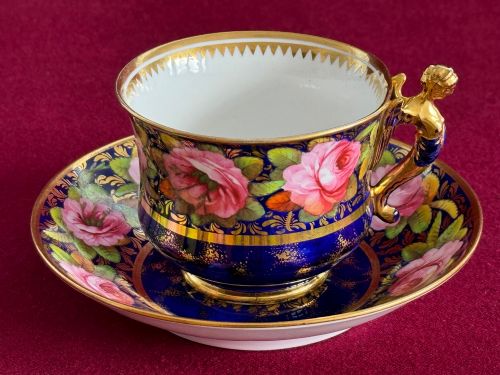
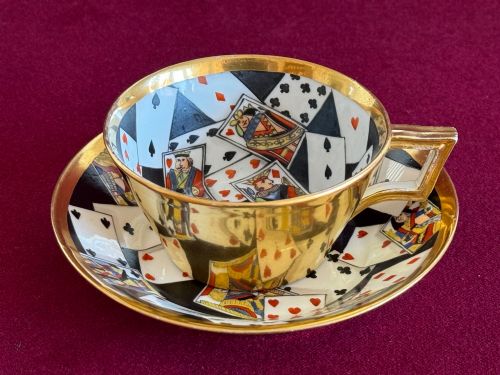
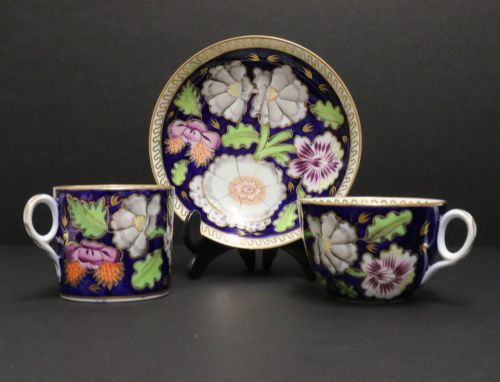
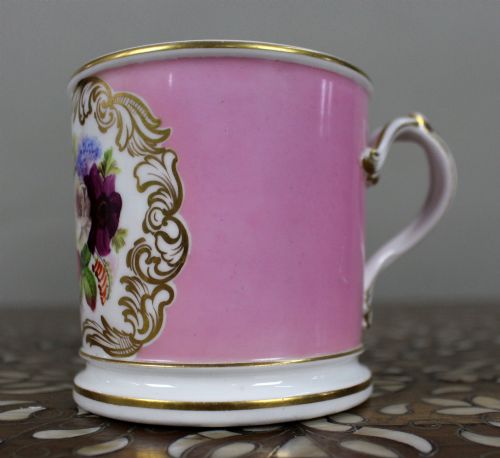
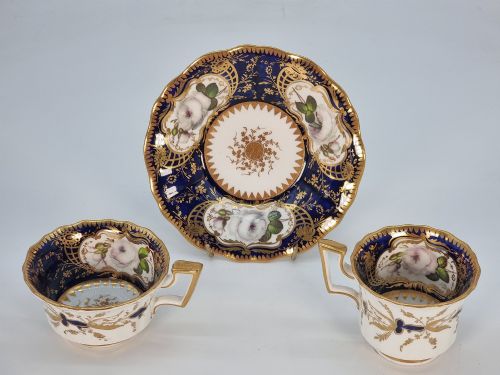
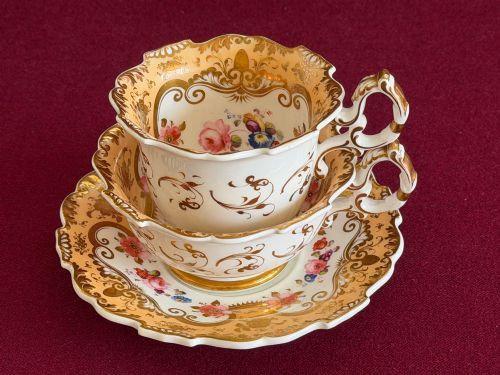
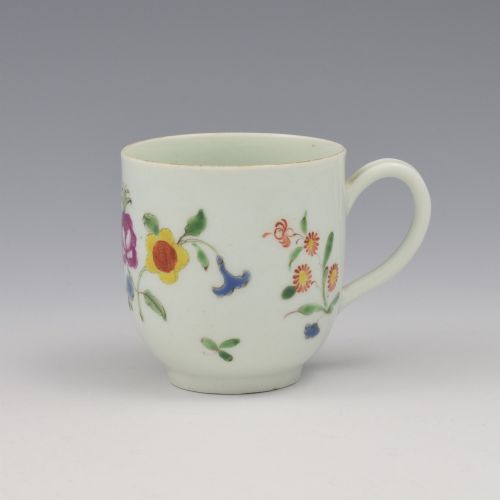
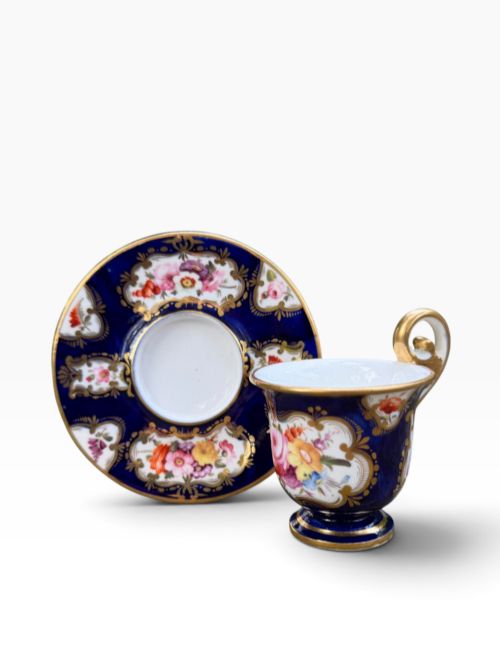
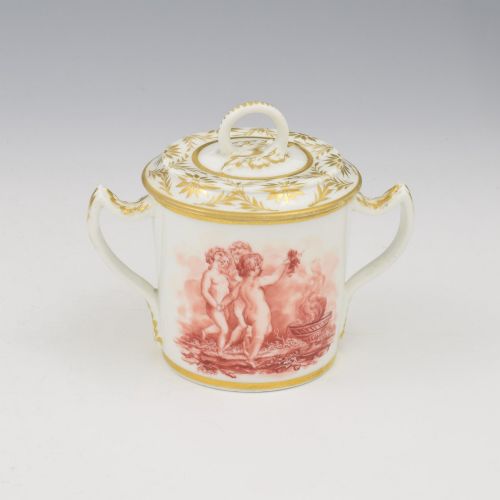
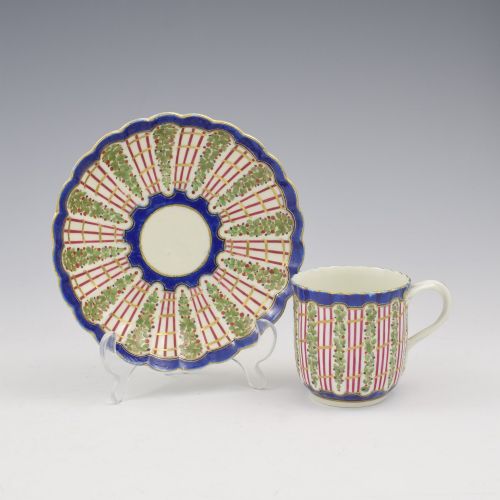
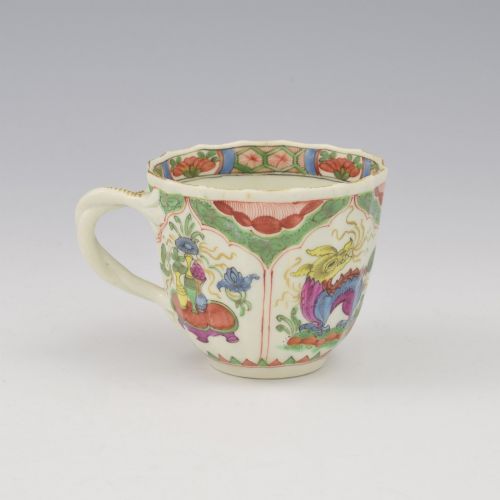
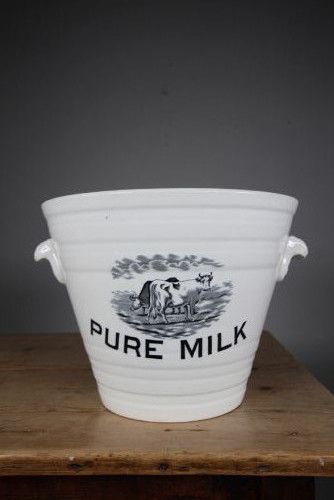
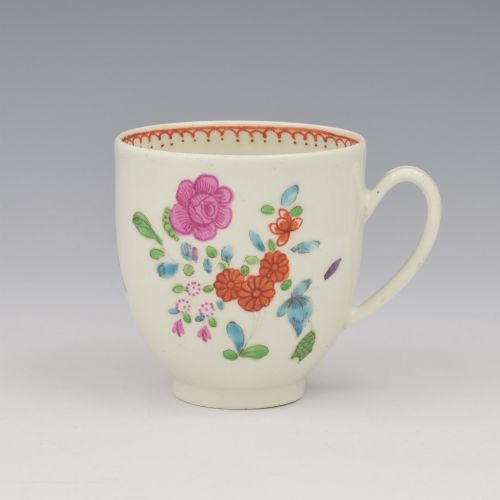
An english ceramic cup encompasses a diverse array of forms, including teacups and saucers, coffee cans, chocolate cups, and robust mugs or tankards. These items span periods from the eighteenth century through the Victorian era and into the early twentieth century, reflecting shifting social habits around tea, coffee, and ale.
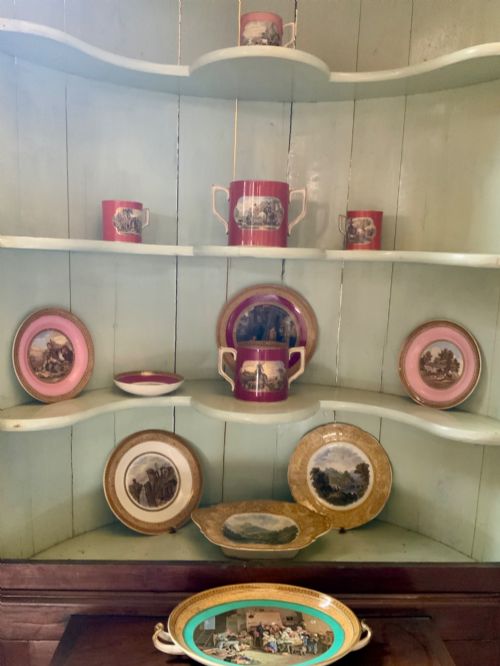
The selections available here showcase regional production centres and renowned manufactories, ranging from early porcelain bodies to durable stoneware and ironstone. Buyers frequently encounter delicate cabinet trios alongside functional drinking vessels equipped with surprising interior details like frogs.
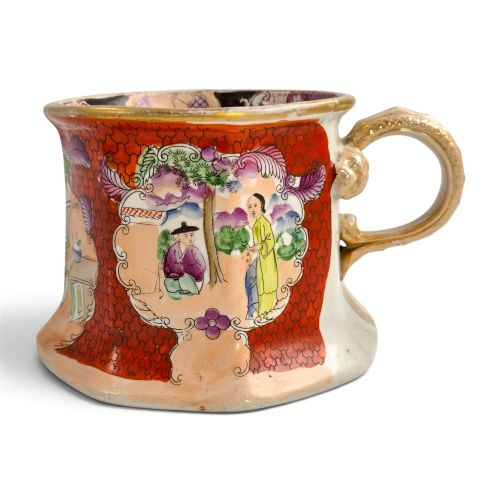
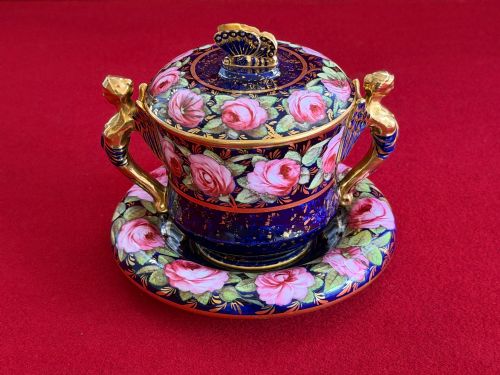
The forms vary from simple domestic wares to highly decorative display pieces painted with landscapes, floral motifs, or intricate Chinoiserie scenes. Each period brings distinct styling, moving from Georgian restraint to ornate Victorian presentation.
Materials and methods of manufacture
Makers utilised porcelain, bone china, earthenware, and stoneware to form the body of each vessel, often applying transparent or opaque glazes before firing. Delicate pieces required careful shaping on the potter's wheel or casting in moulds, followed by high-temperature kiln firings.
Decoration relied heavily on hand-painted polychrome pigments, transfer printing, and the careful application of gold leaf or gilding. Enamel colours were fused to the surface in supplementary kilns, while specialised shapes like image handles or multi-handled tygs required advanced moulding skills.
English Ceramic Cup Retail Price Guide 2026
Typical asking prices for english ceramic cup among the pieces listed under this phrase on Sellingantiques today, from the lower quarter to the upper quarter. They describe what is for sale here now, not the wider market.
Several mugs hide small ceramic frogs inside, ready to leap out at the drinker when the ale runs low.
Factors influencing quality and distinction
Quality rests upon the precision of the moulding, the clarity of the ceramic body, and the execution of the painted or printed decoration. Pieces produced by established factories often display superior translucency in porcelain and more refined potting techniques.
The sophistication of the artwork, such as detailed landscape paintings or carefully rendered armorial designs, elevates certain examples above standard domestic output. Preservation of delicate gilding and enamels across the centuries also dictates the standing of individual vessels.
Derby Porcelain·Spode·H & R Daniel·Richard Chaffers·Coalport·Grainger Worcester·New Hall·Flight & Barr·Rockingham·Minton·Doulton Lambeth·Mason's·Royal Worcester
The English Ceramic Cup Glossary
- Coffee can
- A cylindrical cup designed for drinking strong coffee, typically lacking the handle found on standard teacups during the Georgian period.
- Trio
- A matched set comprising a teacup, a coffee cup, and a saucing dish, popular in cabinet collections from the late eighteenth and nineteenth centuries.
- Ironstone
- A heavy, durable type of earthenware patented in the nineteenth century that combined the strength of stoneware with the refined appearance of porcelain.
- Tyg
- A large drinking vessel featuring multiple handles, historically used for communal passing during festive gatherings.
- Gilding
- The application of gold leaf or powdered gold to the rims, handles, and painted borders of ceramic pieces for decorative emphasis.
English Ceramic Cup: Frequently Asked Questions
How do I identify an eighteenth century coffee cup?
Eighteenth century coffee cups usually feature straight, cylindrical walls without handles, often referred to as coffee cans. They frequently display hand-painted Chinese figures, floral patterns, or underglaze blue decoration characteristic of early porcelain bodies.
Examination of the foot ring and paste will often reveal the unglazed areas and slight imperfections typical of early firing techniques used by factories like Worcester or Liverpool.
What is a surprise frog mug?
A frog mug is a traditional drinking vessel featuring a small ceramic frog modelled inside the base, positioned to startle the drinker as the liquid level recedes. These sturdy pieces were commonly used in taverns for serving ale.
The inclusion of the amphibian served as a practical joke or a drinking challenge among companions during social gatherings in the eighteenth and nineteenth centuries.
What distinguishes ironstone from porcelain?
Ironstone is a dense, opaque earthenware developed to withstand heavy daily use, offering high durability compared to delicate translucent porcelain. It feels heavier in the hand and is less likely to transmit light.
Potters utilised ironstone for robust mugs, jugs, and large service items that required greater strength while retaining a polished appearance.