







English Ceramic Charger
An English ceramic charger brings centuries of painted pigment and fired earth directly to a wall or table, offering a bold decorative focal point.
English Ceramic Charger
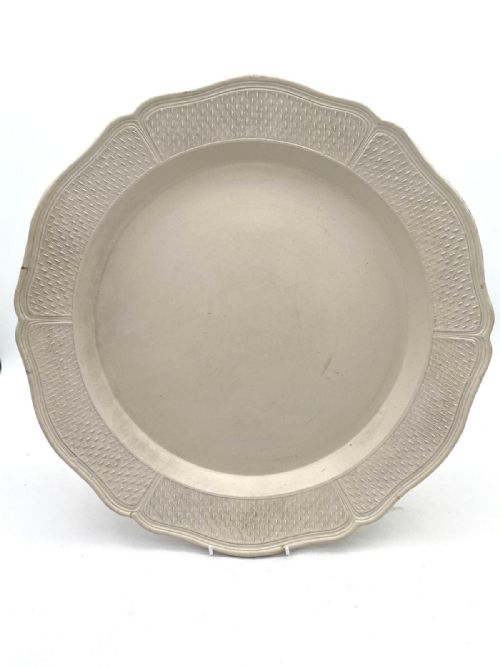
An English ceramic charger is a large decorative plate or dish created for display rather than everyday dining. When searching this phrase, collectors encounter various historical iterations spanning from early tin-glazed earthenware to twentieth-century art pottery.
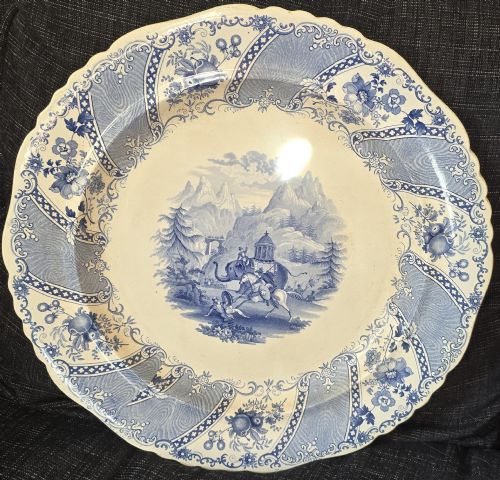
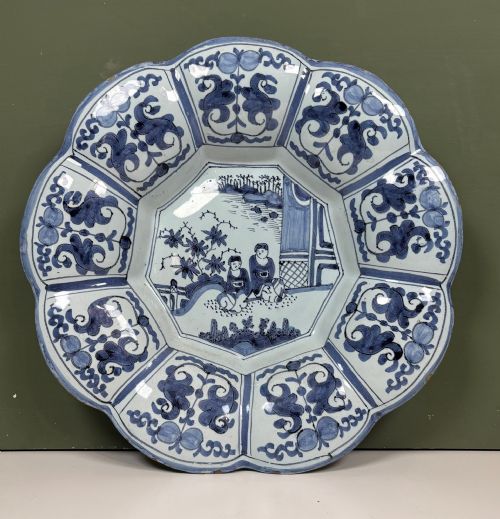
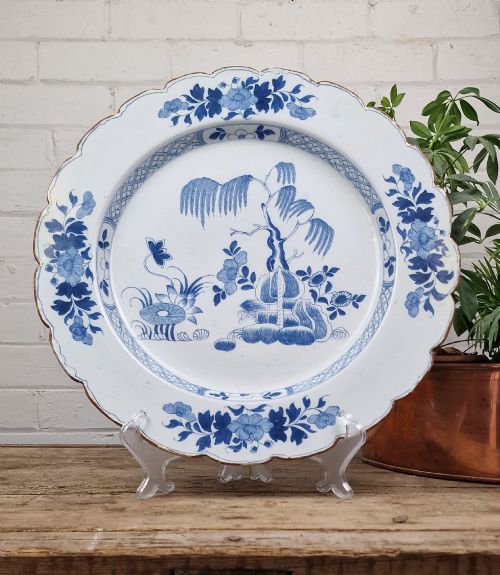
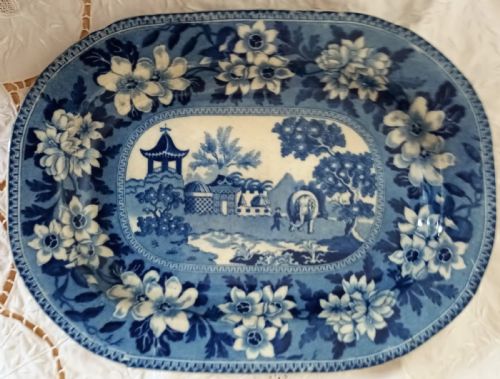
The selections on this page lean heavily toward eighteenth-century delftware and nineteenth-century transferware pieces. These large formats allow makers to display elaborate hand-painted florals, historical scenes, and blue-and-white patterns across a wide surface.
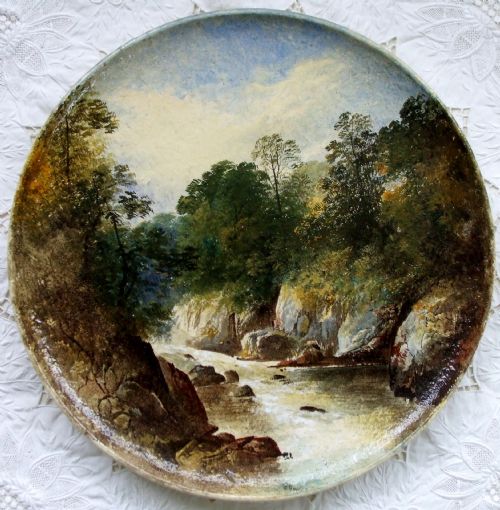
Originating from British potteries in centres like Lambeth or Staffordshire, these items capture shifts in taste from Georgian chinoiserie to Victorian landscapes and Art Deco tubelined designs.
Materials and Techniques
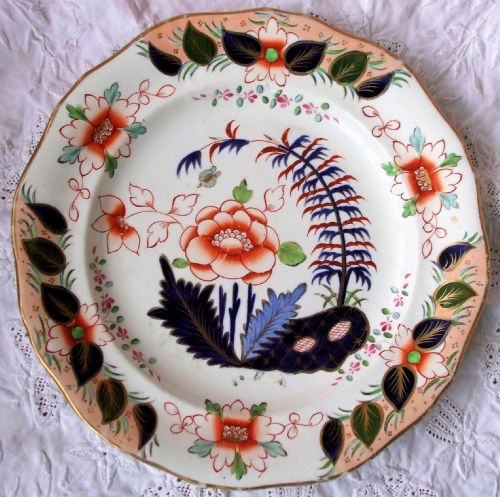
Potters shaped these large vessels primarily from earthenware, ironstone, and pearlware, applying tin glazes or clear lead glazes to create a smooth surface for decoration. Cobalt pigment and polychrome enamels provided the colour palette for hand-painted and transfer-printed designs.
Kiln firing set the body and fixed the pigments, sometimes incorporating gold leaf or specific oxide colours that required multiple firings. Techniques evolved from early tin-glazed dipping methods to nineteenth-century transfer printing and twentieth-century tubelining.
English Ceramic Charger Retail Price Guide 2026
Typical asking prices for english ceramic charger among the pieces listed under this phrase on Sellingantiques today, from the lower quarter to the upper quarter. They describe what is for sale here now, not the wider market.
Listings feature earthenware, tin-glazed earthenware, porcelain, and ironstone across periods from the eighteenth century through the Art Deco era.
Evaluating Quality and Execution
Quality rests on the crispness of the painted or transferred design and the stability of the ceramic body during firing. Early delftware relies on the fluidity of the brushwork and the opacity of the tin glaze, whereas later ironstone and porcelain demand precision in transfer detail and enamel application.
The ambition of the subject matter, such as complex historical narratives or detailed polychrome Chinoiserie, separates standard utility wares from exceptional display cabinet pieces.
William Smith and Co·Royal Crown Derby·Royal Worcester·John Rogers and Son·John Davenport of Longport·Copeland Pottery·Mason·Caughley·Charlotte Rhead Crown Ducal·Clarice Cliff
The English Ceramic Charger Glossary
- Delftware
- Tin-glazed earthenware produced in England, typically decorated with cobalt blue or polychrome pigments on a white opaque background. This technique was widely practiced during the eighteenth century.
- Charger
- A large decorative plate exceeding standard dining dimensions, usually intended for display on walls or sideboards. These items serve as substantial canvases for painted or printed imagery.
- Transferware
- Pottery decorated by applying a printed design from an engraved copper plate via tissue paper onto the ceramic surface. This method allowed intricate scenes to be reproduced consistently.
- Tubelining
- An Art Deco decorating technique where liquid clay is squeezed through a nozzle onto the pottery body to form raised outlines around painted colour compartments.
- Pearlware
- A refined earthenware developed in the late eighteenth century featuring a faint bluish tint in the glaze to emulate the appearance of porcelain.
English Ceramic Charger: Frequently Asked Questions
How were ceramic chargers displayed historically?
These large plates were traditionally stood upright on sideboards, dressers, or hung directly on walls using specialised wire hangers. Their generous diameters made them ideal for showcasing intricate artwork to guests.
In modern settings, they continue to function well as wall art or focal centerpieces on large tables, utilising their historical patterns to anchor a room's decor.
What is the difference between a charger and a cabinet plate?
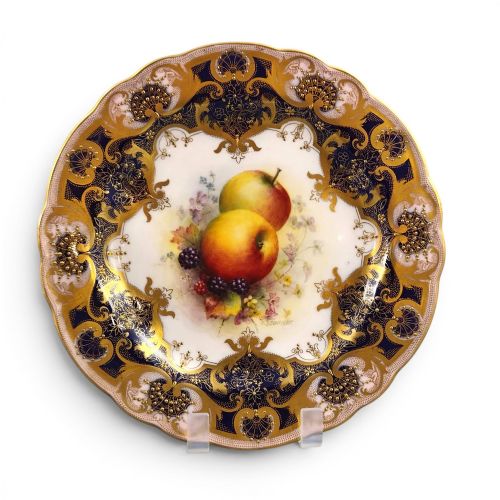
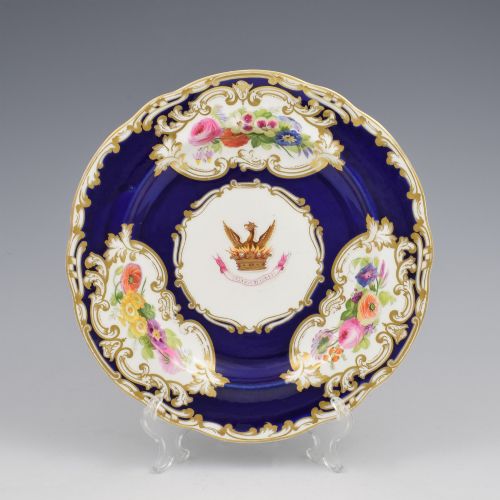
Chargers are distinctly larger dishes, historically created for grand display or as an under-plate for multiple courses. Cabinet plates are generally smaller and more refined, often featuring elaborate porcelain bodies and delicate hand-painted cabinet art.
While both were collected for visual impact rather than rough daily use, cabinet plates frequently date to the nineteenth and twentieth centuries, whereas chargers dominate earlier delftware eras.
Can these antique plates still be used for serving food?
Antique ceramic chargers and cabinet plates are best preserved as decorative art objects rather than utilised for active dining. The historic glazes can be sensitive to modern detergents, cutlery scratching, and thermal shock from hot foods.
Displaying them securely protects the fragile earthenware bodies and preserves the hand-painted or transfer-printed surfaces for the future.