





English Ceramic Centrepiece
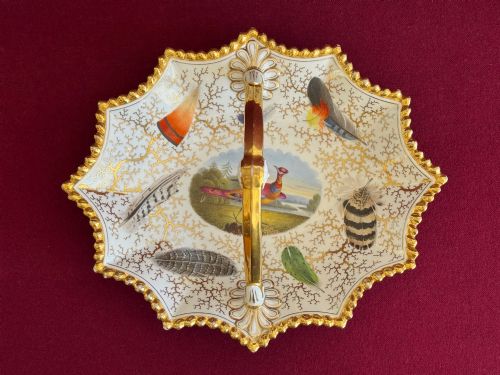
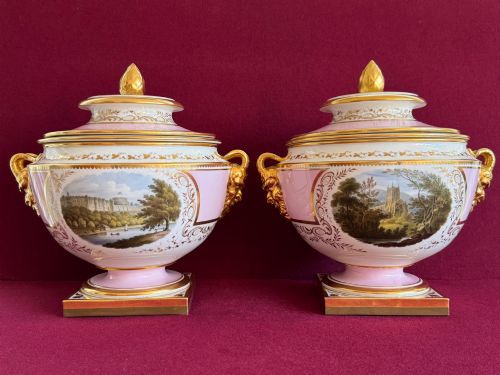
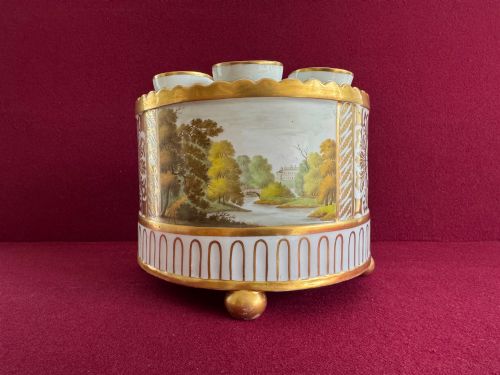
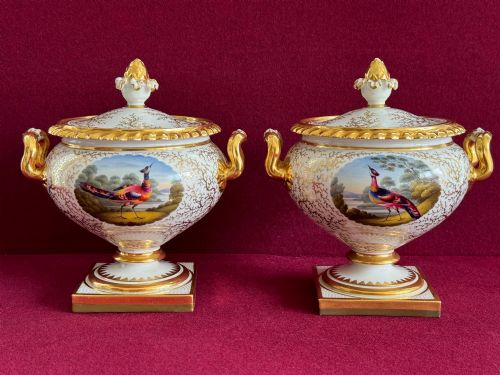
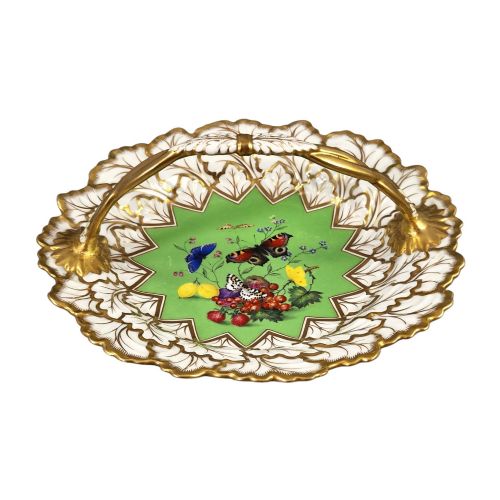
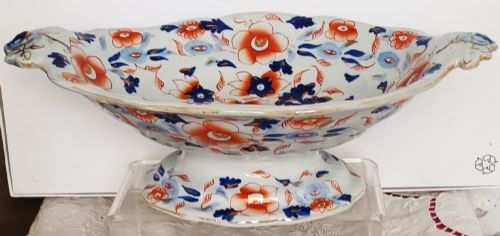
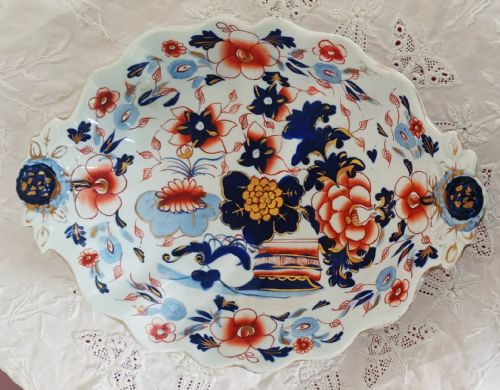
An English ceramic centrepiece commands the middle of the table with painted porcelain, ironstone or earthenware from Georgian, Regency and Victorian periods.
English Ceramic Centrepiece
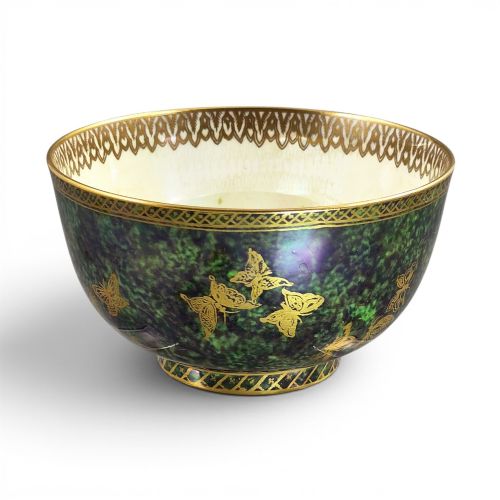
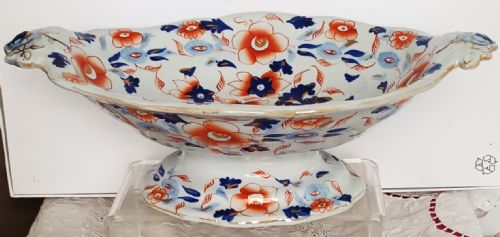
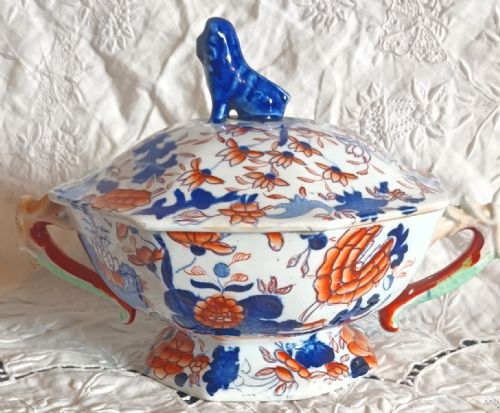
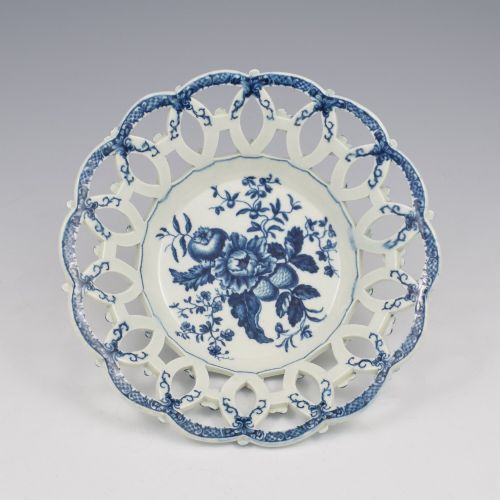
An English ceramic centrepiece brings together decorative bowls, pedestal bowls, comports, tureens and baskets spanning the eighteenth, nineteenth and early twentieth centuries. These serving pieces and display vessels range from early Worcester porcelain baskets to later Maling and Royal Worcester fruit bowls.
The selection on this page meets the buyer through various functional forms designed originally for dining and dessert service. Footed comports, ice pails, bough pots and large covered bowls appear frequently alongside open decorative baskets and cabinet bowls.
Materials and Techniques
Makers utilised porcelain, ironstone and earthenware bodies, shaping them into elaborate vessels through moulding, casting and throwing. These ceramic surfaces received intricate decoration through hand painting, transfer printing and enamel application.
Gilding, gold leaf and rich glaze finishes completed the ornamentation, often combined with moulded relief work such as Parian ware figures or blush ivory grounds.
English Ceramic Centrepiece Retail Price Guide 2026
Typical asking prices for english ceramic centrepiece among the pieces listed under this phrase on Sellingantiques today, from the lower quarter to the upper quarter. They describe what is for sale here now, not the wider market.
Listings feature pieces spanning the eighteenth to twentieth centuries, incorporating ironstone, porcelain and earthenware.
Judging Quality
The distinction between standard production and top-tier execution rests on the crispness of the moulding and the discipline of the hand painting. Superior examples exhibit finely rendered polychrome details, precise transfer printing and heavy, unrubbed gilding.
The weight and purity of the ceramic body also determine value, where refined porcelain and dense, high-grade ironstone hold their structural integrity and surface decoration far better than lesser wares.
Flight Barr and Barr·Mason's Patent Ironstone·Royal Worcester Hadley·Daisy Makeig Jones Wedgwood
The English Ceramic Centrepiece Glossary
- Comport
- A raised dish or bowl used historically for serving fruit or sweets at the end of a meal. These pieces typically stand on a central foot or pedestal.
- Tureen
- A deep covered vessel designed for serving soup, vegetables or sauces at the dining table. Many feature twin handles and matching fitted covers.
- Ironstone
- A heavy, durable type of earthenware patented in the nineteenth century to imitate Chinese porcelain. It provides a robust body suited to rich transfer-printed and enamelled patterns.
- Bough pot
- A decorative ceramic container made to hold cut flowers or flowering branches for interior decoration. They often include pierced covers to keep stems separated.
- Parian ware
- A fine-grained, unglazed porcelain resembling white marble, developed during the nineteenth century for portrait busts and sculptural ornaments.
English Ceramic Centrepiece: Frequently Asked Questions
What is an english ceramic centrepiece used for?
These vessels served practical dining functions on formal tables, holding fruit, desserts, soups or cut flowers. Today they operate primarily as focal display objects on sideboards, dining tables or mantelpieces.
Their substantial size and decorative painting make them natural room centrepieces that anchor a traditional or eclectic interior scheme.
How do I identify a georgian period piece?
Georgian and Regency pieces often feature hand-painted botanical or landscape panels, Imari palettes, or blue and white transfer printing on fine porcelain or early ironstone. Look for unglazed foot rims and period specific potting characteristics.
Maker marks from factories such as Worcester or Derby during these decades further help confirm the date and origin.
Are ironstone vessels heavier than porcelain?
Ironstone is a dense, thick earthenware created to withstand heavy daily use, making it noticeably heavier and more robust than delicate porcelain. This durability allowed makers to produce large comports and tureens that survived active dining rooms.
The sturdy body also provided a stable surface for vibrant Chinoiserie and Japan patterns.
How should I clean my ceramic centrepiece?
Dust gently with a soft, dry cloth and avoid immersing antique pieces in water, particularly those with delicate overglaze gilding or enamel colours. Moisture can penetrate hairline fractures or weaken historical repairs.
Hand wash only when strictly necessary using lukewarm water and mild soap, then dry immediately with a lint-free cloth.