


English Ceiling Pendant Light
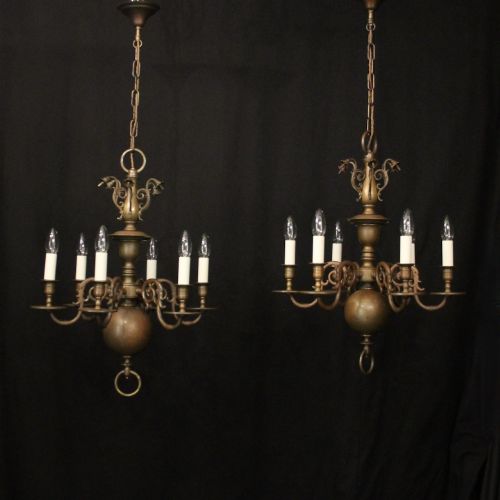
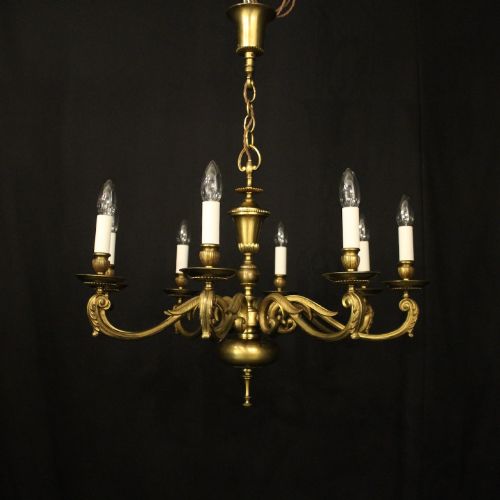
An english ceiling pendant light hangs overhead to command a room, casting warm illumination through cut glass, brass, and bronze.
English Ceiling Pendant Light
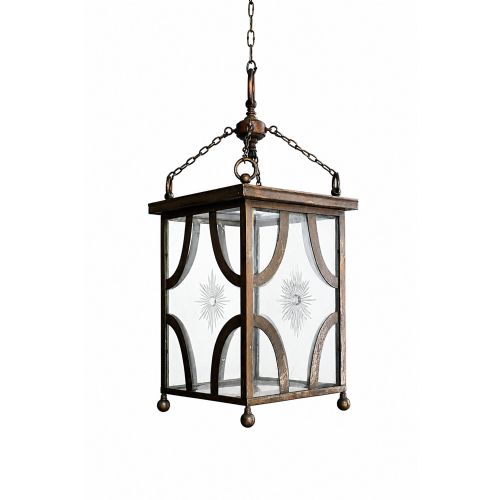
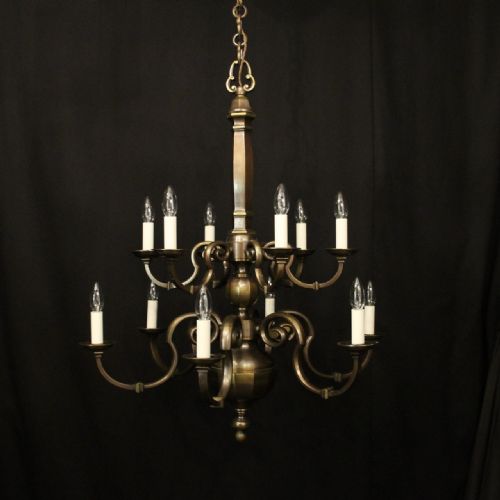
An english ceiling pendant light encompasses a broad variety of hanging fixtures, from multi-armed chandeliers and hall lanterns to single glass shades suspended from above. These pieces emerge from the nineteenth century, the Edwardian era, and the early twentieth century, showing historical influences such as Regency, Gothic Revival, and the Aesthetic Movement.
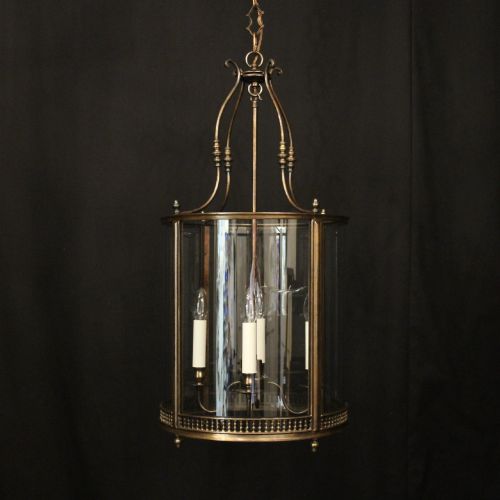
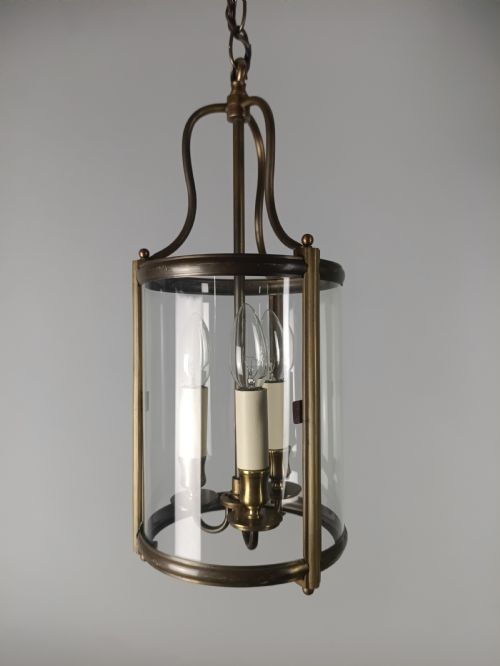
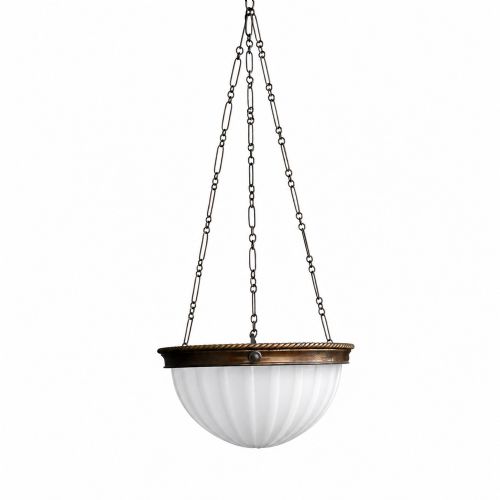
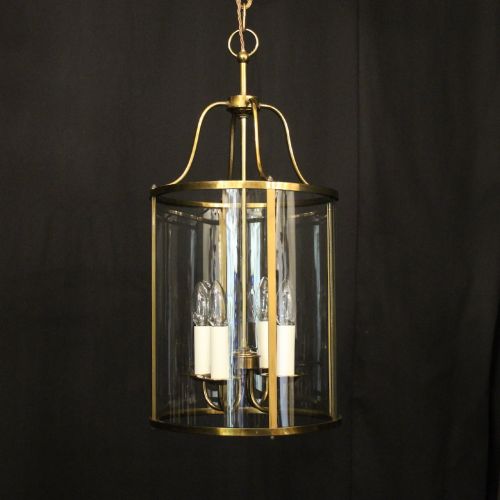
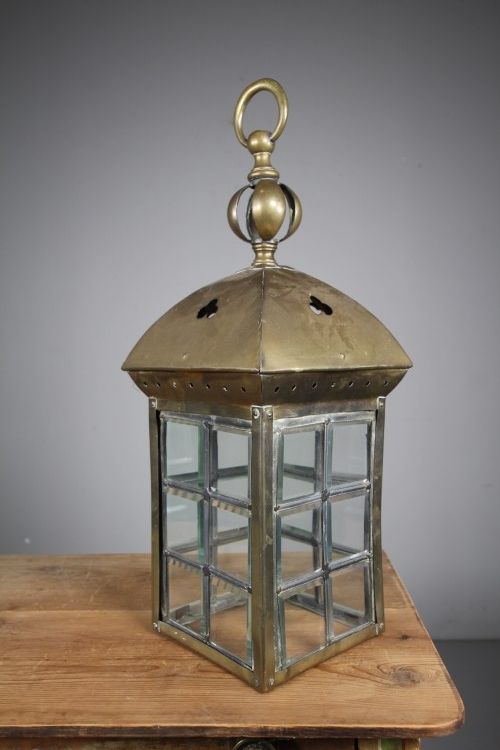
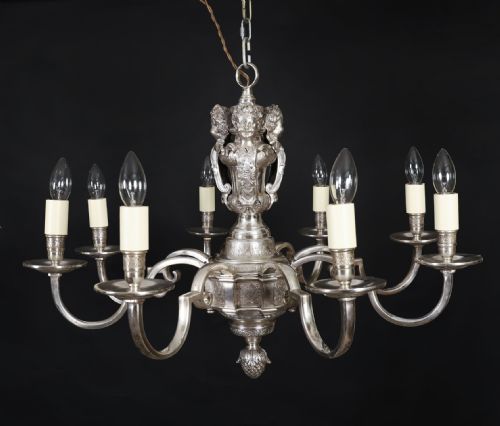
The selection here ranges from large ballroom crystal chandeliers and silver-plated fixtures to practical pharmacy moonstone lights and factory shades. Hall lanterns with convex glass panels and gilded bronze mounts also appear frequently, designed to hang in entranceways and corridors.
Materials and construction
Metalwork forms the structural backbone of these fixtures, utilising cast brass, gilt bronze, silver plating, and lead or standard metal. Artisans shaped these metals into complex frames, corona rings, and multi-branched arms to support the weight of heavy glass components.
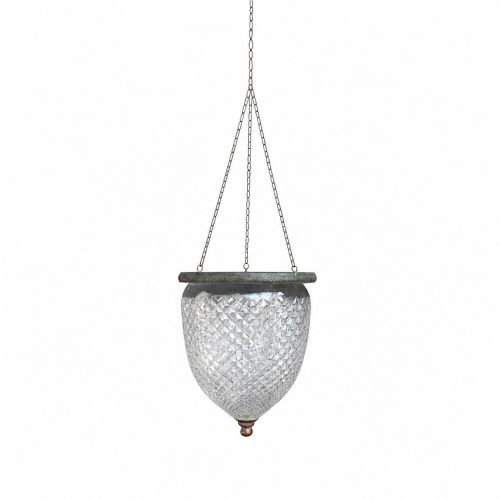
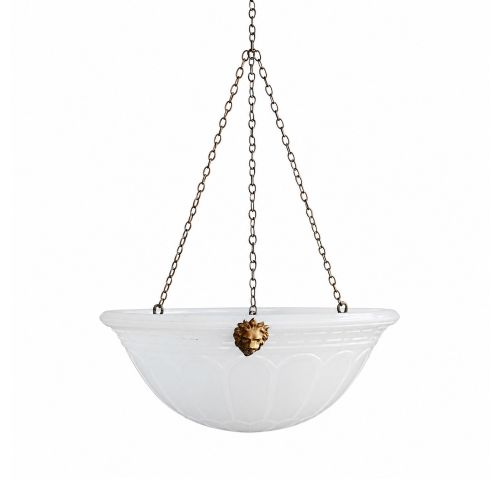
Glass elements receive significant attention, spanning moulded moonstone, white alabaster, and hand-cut crystal prisms assembled into waterfalls, baskets, tents, and bag chandeliers. Metal components are frequently gilded, chased, or left with a patinated bronze finish.
Listings span periods from the nineteenth century through the Edwardian era to the 1930s, incorporating brass, crystal, bronze, and moonstone glass.
Distinctions in quality
Quality rests heavily on the depth of hand-cutting in the crystal and glass components, where sharper facets catch and refract light with greater brilliance. Cast bronze and brass elements show varying degrees of crispness in their chased ornamentation and floral detailing.
The integrity of the original metal plating, the weight of the supporting frame, and the complexity of the design - ranging from simple single-bulb shades to forty-one-light ballroom installations - delineate the standard of the piece.
The English Ceiling Pendant Light Glossary
- Plafonnier
- A ceiling-mounted light fixture or shallow bowl light that sits close to the ceiling surface rather than hanging low on a chain or cord.
- Moonstone glass
- An opaque, milky-white glass type popular in early twentieth-century lighting that diffuses glare and yields a soft glow.
- Corona
- A crown-like circular metal ring at the top of a hanging light fixture from which chains or crystals suspend.
- Tent and bag
- A chandelier style featuring an upper conical tent of strings of beads falling to a gathered bag-shaped lower basket of crystals.
- Hall lantern
- An enclosed hanging light, frequently glazed with flat or convex glass panels, designed specifically for corridors and vestibules.
English Ceiling Pendant Light: Frequently Asked Questions
How do I hang a heavy antique chandelier?
Heavy fixtures require direct anchoring to a ceiling joist using a steel ceiling box and mounting strap capable of supporting the combined weight of the metal and glass. Professional installation is essential to ensure the electrical wiring and structural fixings are secure.
Shorter drops suit standard ceiling heights, while grander spaces accommodate longer chains that allow the fixture to sit at a proportioned focal height.
Can these lights be rewired for modern homes?
Most antique fixtures accept standard modern internal wiring threaded through the central tubes and arms during restoration. Rewiring ensures compliance with current electrical safety standards without altering the external historic appearance.
LED bulbs compatible with historical candle sleeves or shade fitters can be utilised to replicate traditional warmth while reducing heat output.
How do I clean cut glass chandeliers?
Cleaning requires a specialised glass cleaning spray applied to a soft cloth rather than dipping the entire fixture, protecting the aged metal frame from moisture damage. Individual crystals can be wiped in situ or gently removed if the pin fastenings allow.
Regular dusting with a feather duster prevents grime accumulation on intricate prism surfaces and maintains maximum light refraction.
How do I date an antique pendant light?
Dating relies on stylistic clues such as the decorative motifs of the Gothic Revival or Aesthetic Movement, alongside the manufacturing techniques visible in the brass castings and glass moulds. Edwardian and early twentieth-century pieces often display cleaner lines or utilitarian influences like factory glass.
Patination on the metal parts and the method of wiring construction also provide reliable chronological indicators.