



English Cabinet Plate
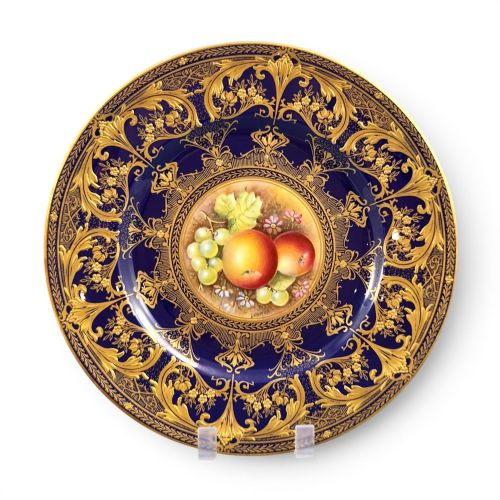
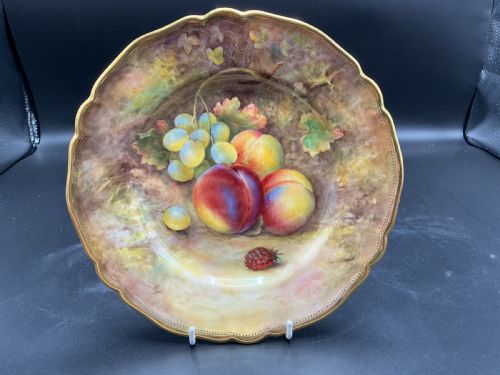
An English cabinet plate is a decorative ceramic piece meant for display rather than dining, bringing historic artistry and hand-painted scenes into domestic spaces.
English Cabinet Plate
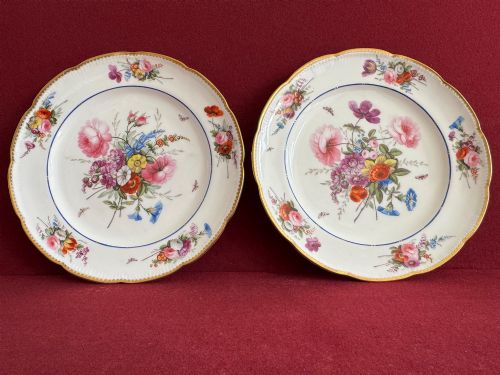
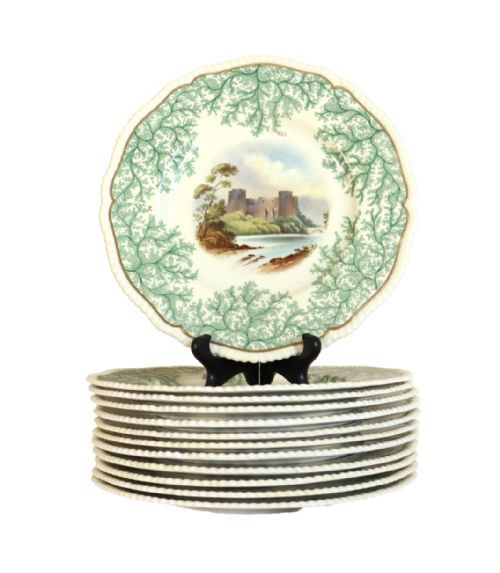
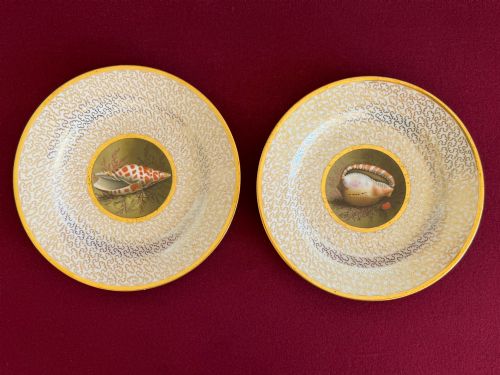
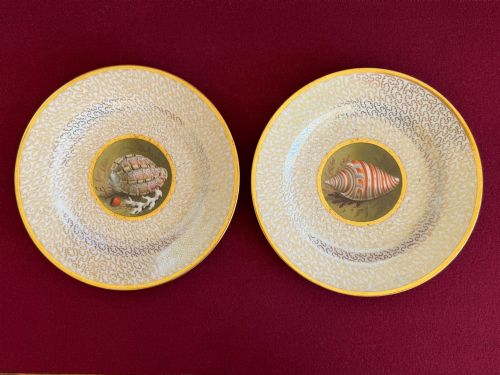
An English cabinet plate represents a specialised ceramic category produced to display artistic skill on walls or in glass-fronted furniture rather than for daily dining use. These items span periods from the eighteenth century through the Georgian, Victorian, and Edwardian eras into the twentieth century, reflecting shifting tastes in interior ornamentation.
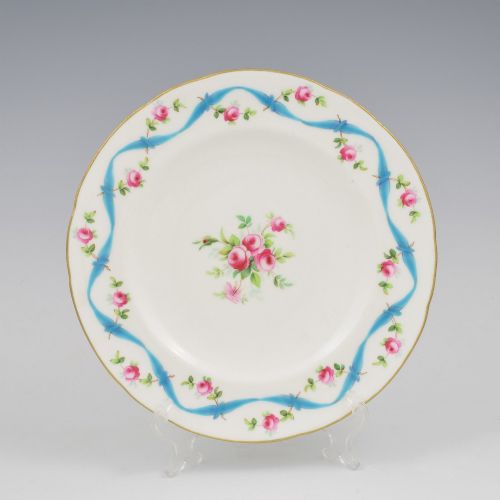
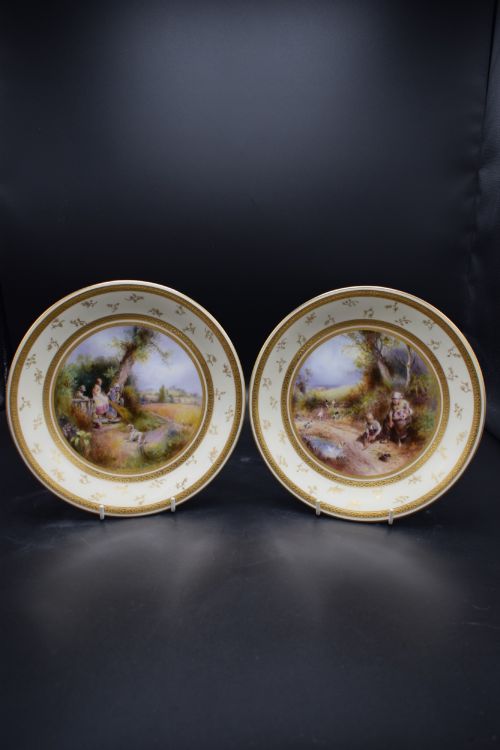
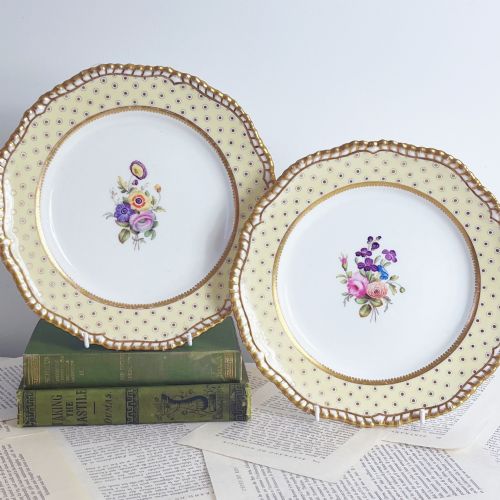
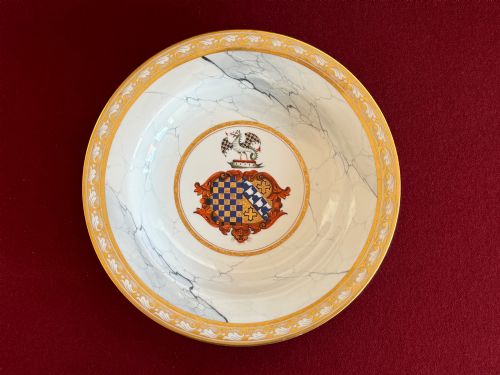
The most common examples on this page are porcelain and bone china plates featuring hand-painted botanical studies, landscapes, fruit, or armorial crests. Makers from Worcester, Derby, and Staffordshire dominate the forms, offering collectors a direct view into historical ceramic manufactories.
Materials and Technique
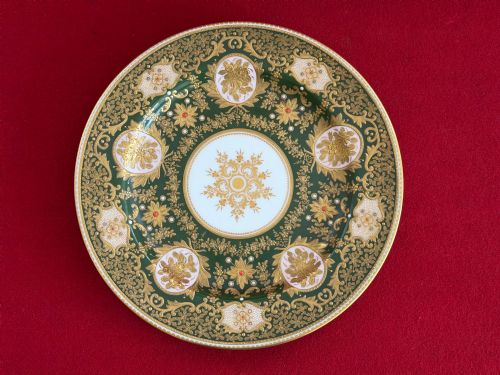
Potters utilised fine porcelain, bone china, ironstone, and soft-paste porcelain as the foundation for these items, applying glazes and enamels before repeated kiln firings. Artisans integrated gold leaf, gilt, and gold gilt to edge the rims and highlight intricate motifs.
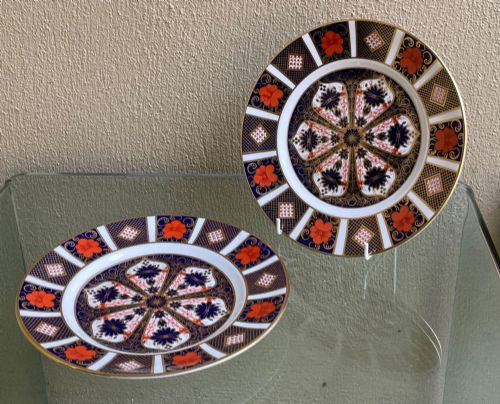
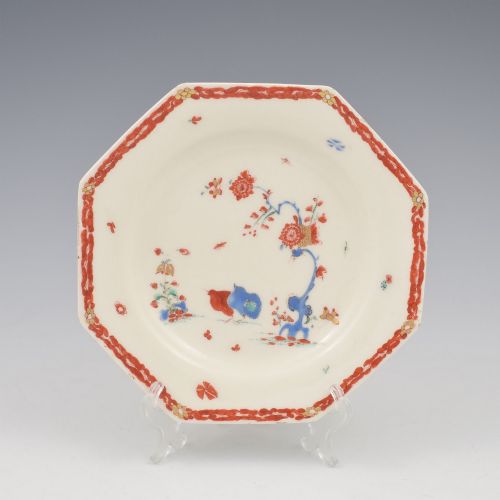
Painting was executed by hand, employing artists who specialised in botanical studies, ornithology, and landscapes, often signing their work on the reverse or front. Transfer printing and hand-finishing techniques allowed manufactories to produce both intricate armorial designs and vibrant Kakiemon or Imari patterns.
English Cabinet Plate Retail Price Guide 2026
Typical asking prices for english cabinet plate among the pieces listed under this phrase on Sellingantiques today, from the lower quarter to the upper quarter. They describe what is for sale here now, not the wider market.
Listings span the eighteenth, nineteenth, and twentieth centuries, incorporating porcelain, bone china, and ironstone decorated with gilding and enamel.
Execution and Detail
Quality rests primarily on the skill of the artist and the complexity of the manufactory's production process, distinguishing standard commercial output from master-painted display pieces. Signed works by documented painters demonstrate higher levels of individual artistry than anonymous factory decoration.
The application of raised enamels, jewelled decoration, and heavy gilding requires precise control during firing, separating sophisticated plates from simpler domestic wares. Provenance and armorial association add further distinction to individual items.
Minton·Mintons·Worcester·Royal Worcester·Barr Flight and Barr·Nantgarw·Royal Crown Derby·Spode·Bow·Derby·Bloor Derby·John Davenport of Longport·Copeland·Aynsley·Royal Doulton·John Ridgway
The English Cabinet Plate Glossary
- Cabinet plate
- A decorative ceramic plate intended primarily for display in a cabinet or on a wall rather than for practical table use. These pieces often feature elaborate painting or gilding.
- Armorial
- A ceramic design incorporating a family coat of arms or crest. These were frequently commissioned by landed gentry and noble families.
- Imari
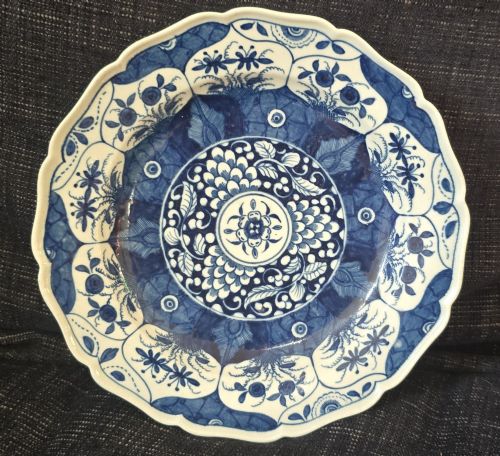
- A decorative style inspired by Japanese export porcelain featuring deep cobalt blue, iron red, and gilt. British potteries adopted this palette widely during the Georgian and Victorian periods.
- Soft-paste porcelain
- An artificial porcelain composition fired at lower temperatures than hard-paste porcelain, common in eighteenth-century English manufactories. It produces a warm, slightly translucent body.
- Bone china
- A type of soft-paste porcelain containing bone ash, developed in England to provide strength and whiteness. It remains a staple material for fine British ceramics.
English Cabinet Plate: Frequently Asked Questions
What is an English cabinet plate?
An English cabinet plate is a decorative ceramic piece created for display rather than everyday dining, often featuring hand-painted scenes or gilded details.
These items were produced across several centuries by prominent British potteries and manufactories to showcase artistic skill.
How were cabinet plates displayed?
Historical interiors typically featured these plates arranged on specialised wall brackets, mounted on plate rails, or shown inside glass-fronted display cabinets.
This kept the delicate enamel work and gold leaf safe from the wear and tear of daily table use.
How do I identify the period?
Dating relies on factory marks stamped or painted on the reverse, alongside the specific composition of the ceramic body, such as bone china or soft-paste porcelain.
Stylistic cues like Regency borders, Victorian floral motifs, or Edwardian fruit painting also indicate the era of production.
Who painted these plates?
Many plates were decorated by skilled artists employed by major potteries, and some pieces bear the signature or initials of painters like Richard Sebright or Albert Shuck.
Factory pattern numbers and retailer marks recorded on the back often help trace the specific origin of the artwork.