

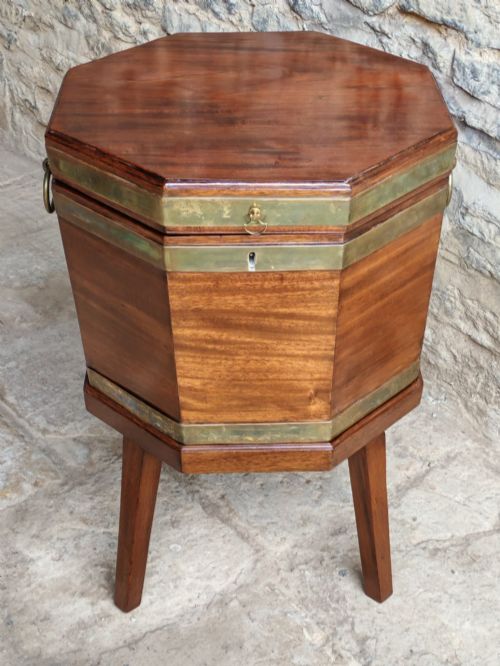
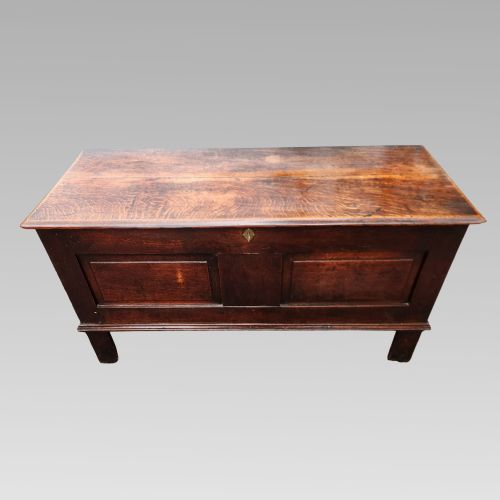
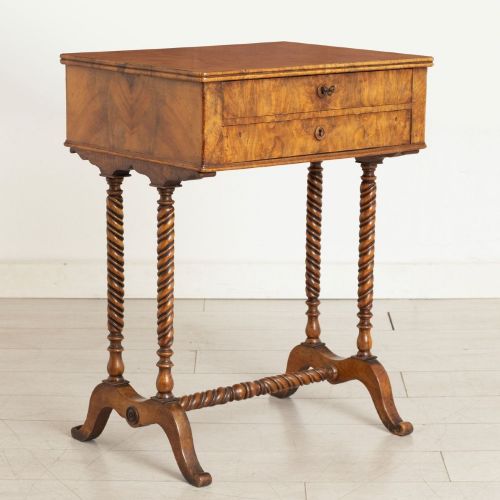
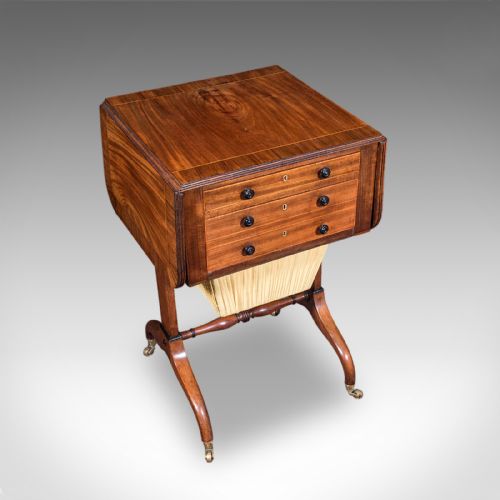



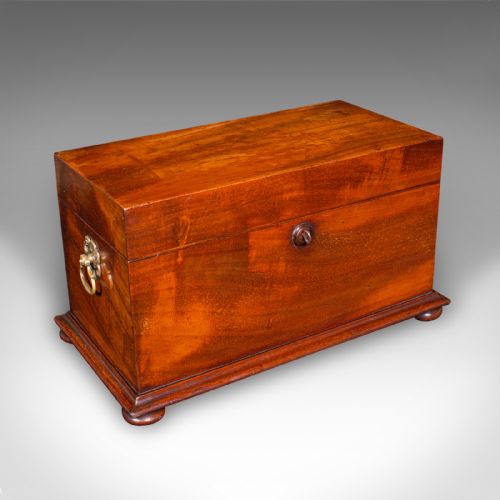
English Brown Wood Box
An English brown wood box brings tactile warmth and centuries of utilitarian craftsmanship straight to a desk or table.
English Brown Wood Box
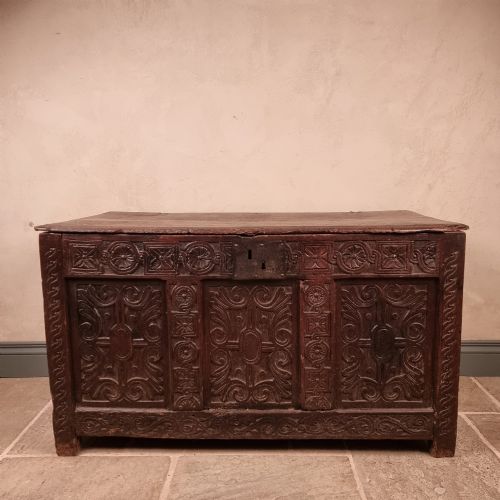
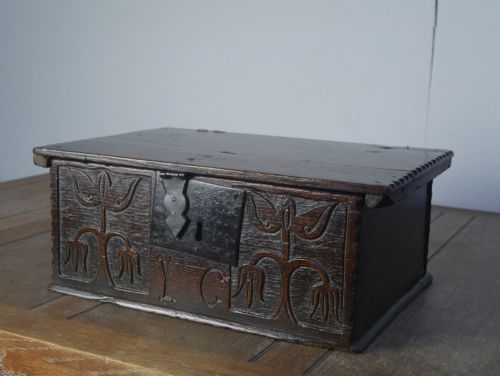
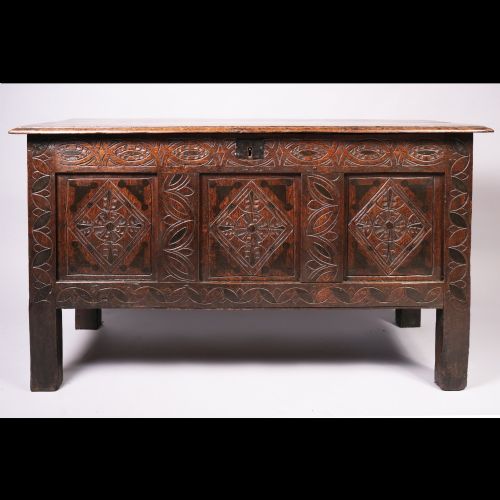
An English brown wood box spans functional containers designed for tea, spices, sewing, and keepsakes across multiple centuries. Buyers searching for an english brown wood box will encounter everything from humble oak coffers to refined Regency tea caddies and intricate Tunbridge Ware pieces.
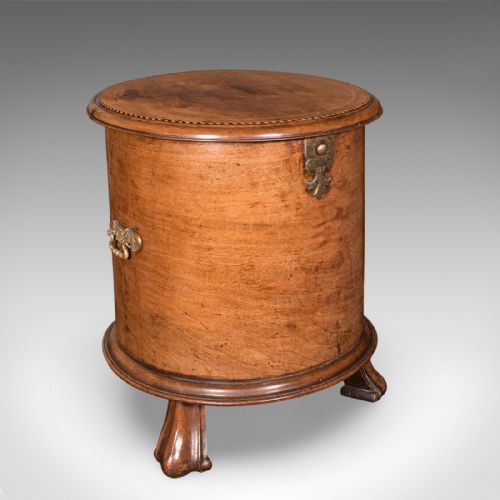
The selection on this page draws heavily from the seventeenth, eighteenth, and nineteenth centuries, incorporating sturdy vernacular items alongside polished formal furniture. Oak, mahogany, walnut, and rosewood dominate the forms, reflecting the changing tastes of English households over generations.
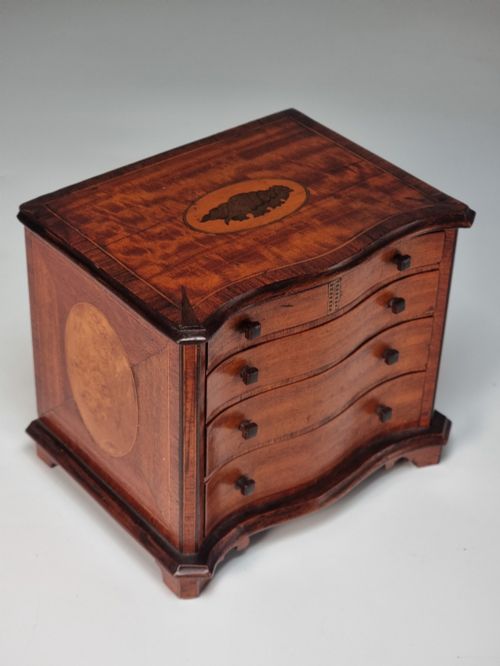
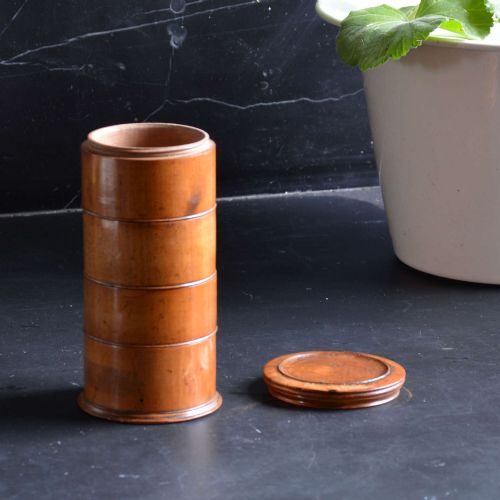
Smaller tabletop items like spice towers and trinket boxes sit alongside larger sewing tables and miniature chests. Each piece retains a distinct purpose rooted in historical domestic life, utilising native and exotic woods shaped by traditional joinery.
Factors of quality
The distinction between ordinary and exceptional pieces lies in the selection of timber and the precision of the grain alignment. Master makers chose burl veneers and figured woods carefully, ensuring symmetrical patterns across the lid and sides.
Original hardware, working locks with matching keys, and intact internal fittings elevate a piece significantly. The crispness of inlaid details and the restraint shown in decorative carving demonstrate the skill of the original workshop.
English Brown Wood Box Retail Price Guide 2026
Typical asking prices for english brown wood box among the pieces listed under this phrase on Sellingantiques today, from the lower quarter to the upper quarter. They describe what is for sale here now, not the wider market.
Listings span seventeenth-century oak coffers to Victorian Tunbridge Ware, incorporating walnut, mahogany, and boxwood.
A. F. Lloyd·Waring & Gillow·Henry Hollamby
The English Brown Wood Box Glossary
- Tunbridge Ware
- A type of decorative woodwork characterised by mosaic veneer pictures built from thousands of tiny tinted wood blocks. This meticulous technique reached its height in Victorian Kent.
- Tea Caddy
- A specialised container built to store loose tea leaves securely under lock and key. Wealthy households utilised these vessels when tea was an expensive imported luxury.
- Treen
- Small handmade wooden domestic objects produced from the sixteenth century onwards. These items include spice towers, nutmeg graters, and small turned vessels.
- Coffer
- A heavy wooden chest traditionally used for storing valuables, documents, or textiles. Early examples feature robust oak construction joined by pegs and simple iron hinges.
- Veneer
- A thin layer of choice wood glued to a secondary timber base to provide a decorative surface. Burr walnut and satinwood veneers added striking visual texture to luxury boxes.
English Brown Wood Box: Frequently Asked Questions
What were small wooden boxes used for?
These containers held precious commodities like tea leaves, spices, sewing implements, and personal letters. In eras before safety deposit boxes, small lockable chests protected a household's most valued possessions.
Their portable nature allowed owners to move them between rooms or pack them for travel. Over time, many evolved from purely functional storage into decorative parlor objects.
How do I identify the wood type?
Observing grain patterns, weight, and natural coloration helps distinguish between timber species like oak, mahogany, and walnut. Oak displays prominent silver medullary rays, while mahogany tends to show a warm reddish-brown hue.
More decorative surfaces often feature burr walnut or satinwood veneers. Examining unpolished interior sections or undersides provides a clearer view of the raw timber.
What is Tunbridge Ware?
Tunbridge Ware refers to decorative wooden items decorated with microscopic mosaic tesserae. Craftsmen arranged thousands of tiny segments of naturally coloured woods to form geometric or pictorial motifs.
This intricate craft flourished in Kent during the nineteenth century. Boxes adorned with these mosaic patterns remain distinct collector pieces today.
How should I care for antique wood?
Keeping wooden boxes away from direct sunlight and extreme humidity prevents the timber and glue from drying out. Applying a conservative coat of microcrystalline wax occasionally helps maintain the lustre of the finish.
Avoiding synthetic cleaning sprays ensures the historic patina remains undisturbed. Gentle dusting with a dry, soft cloth is sufficient for routine maintenance.