

English Brown Tallboy
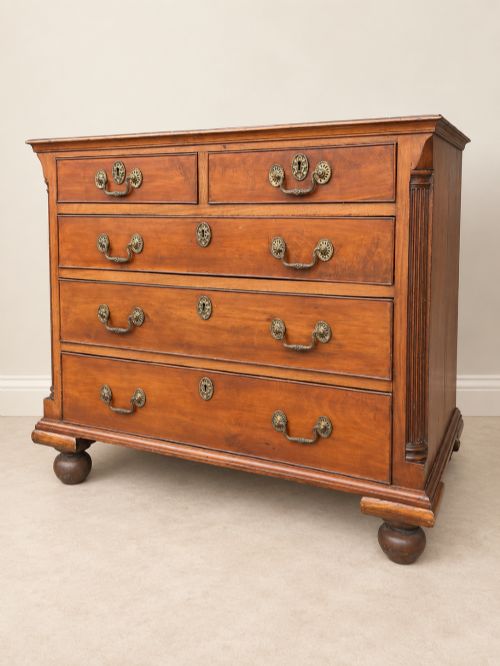
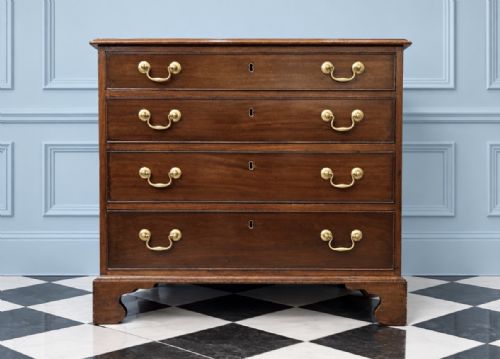
An english brown tallboy offers towering storage and rich timber grain, bringing centuries of practical craftsmanship into a modern room.
English Brown Tallboy
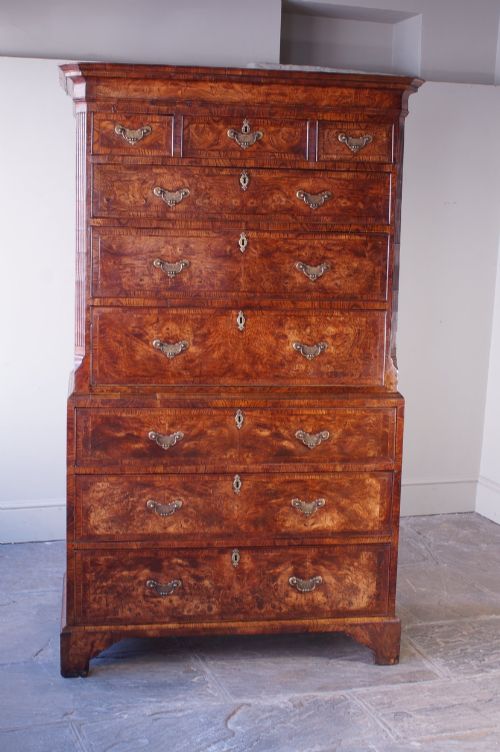
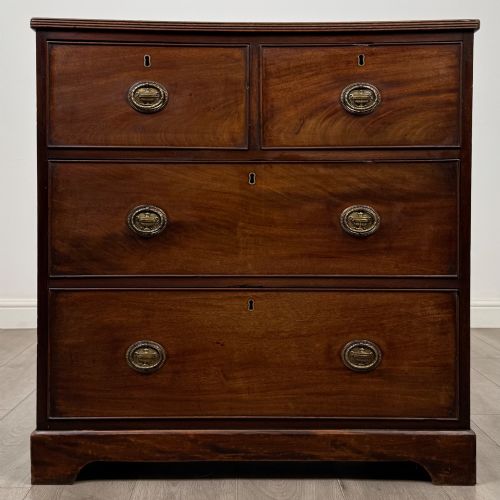
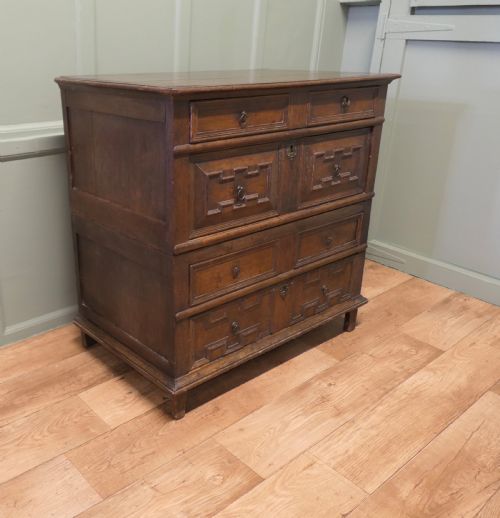
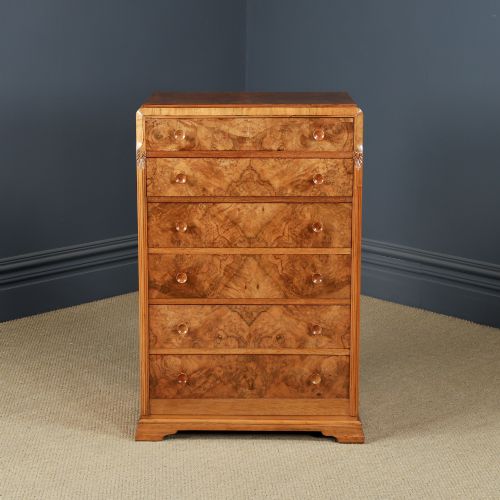
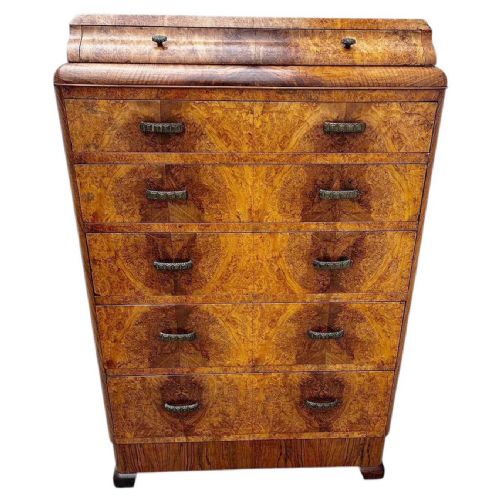
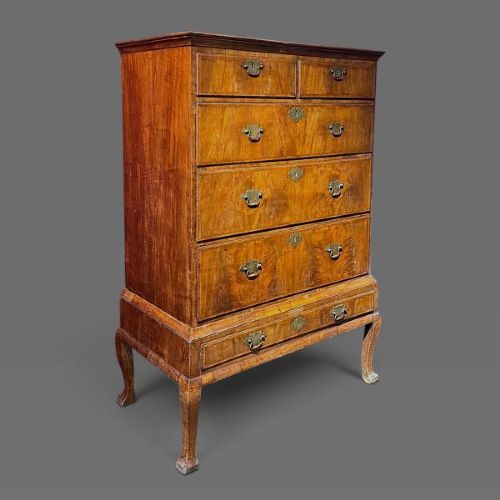
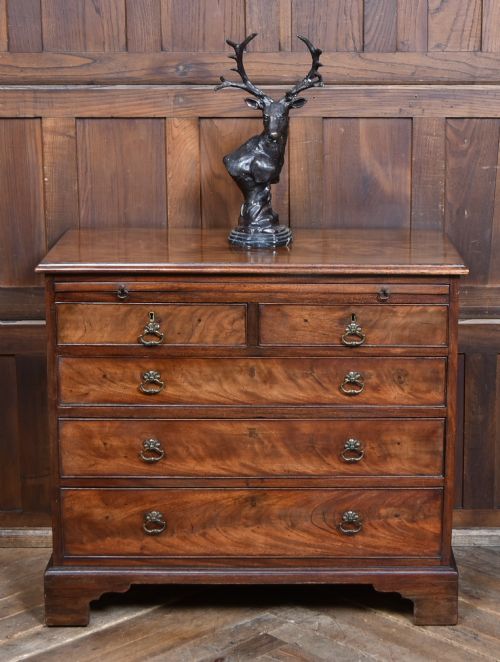
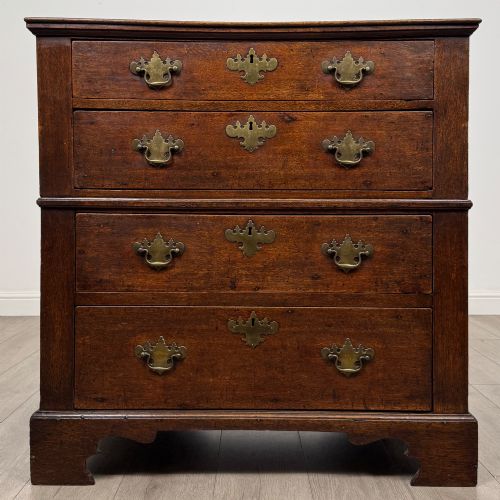
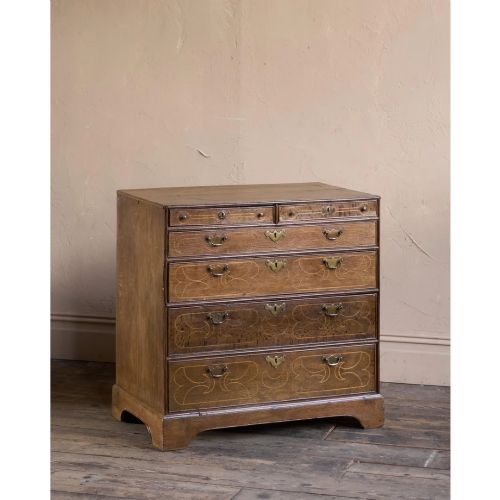
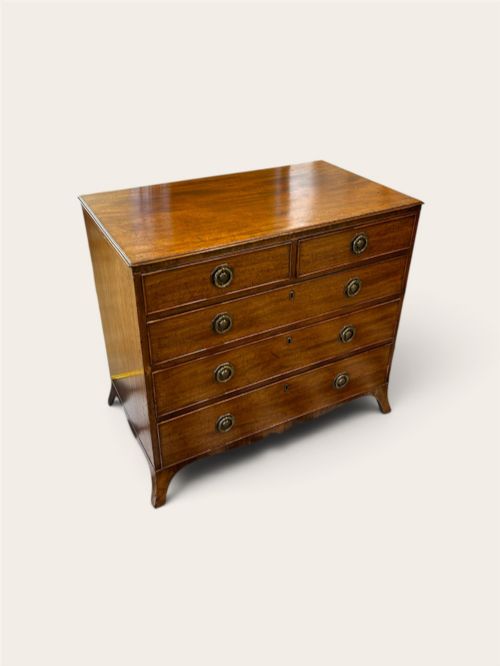
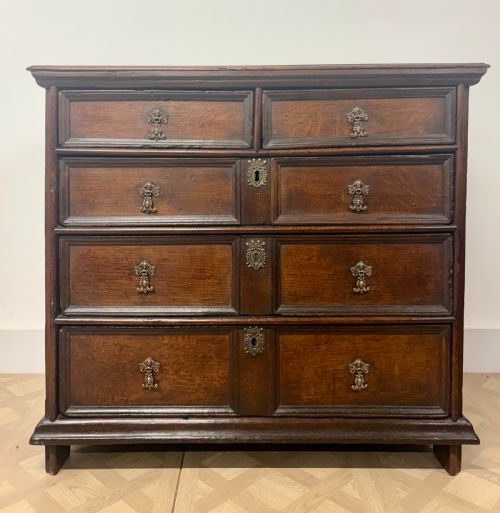
An english brown tallboy brings together stacked drawers and vertical storage forms, frequently appearing as a chest on chest or a cabinet on stand across this selection. These pieces originate from periods spanning the seventeenth century through to the art deco era, uniting utility with commanding scale.
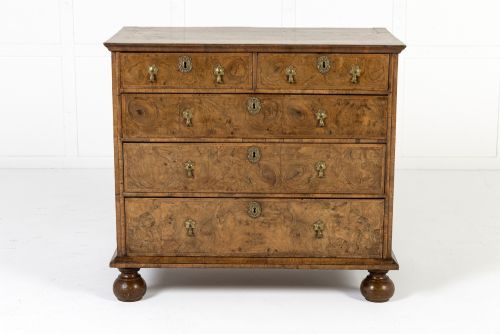
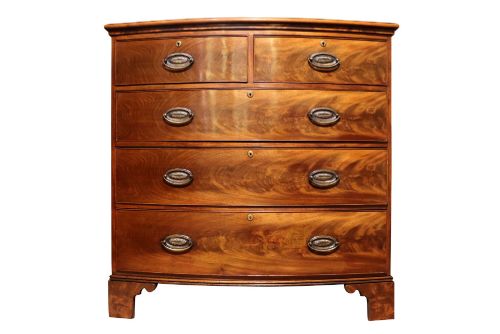
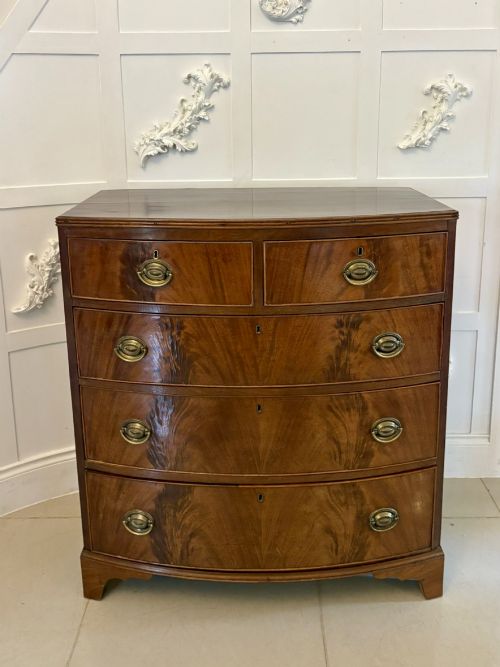
The materials recorded in these listings show a distinct preference for dark, rich timbers like mahogany, walnut, and oak, often highlighted by burr veneers or cross-banding. Forms range from simple garret chests to serpentine front designs and elaborate chests on stands.
Buyers seeking an english brown tallboy encounter diverse regional styles, from plain country oak constructions to sophisticated georgian and regency pieces. Each object reflects the prevailing domestic requirements of its specific period, prioritising deep storage capacity within a compact floor footprint.
How they were made
Cabinetmakers constructed these pieces using solid timbers like oak, mahogany, and walnut, often applying figured veneers such as burr walnut or ash to primary surfaces for visual depth. Drawer construction typically relied on hand-cut dovetail joints, ensuring durable daily use over centuries.
Surfaces were finished with traditional polishing techniques that enhanced the natural grain and warm brown tones of the wood. Metal hardware, including brass handles and escutcheons, was fitted by hand to complement the architectural lines of each tallboy or chest.
English Brown Tallboy Retail Price Guide 2026
Typical asking prices for english brown tallboy among the pieces listed under this phrase on Sellingantiques today, from the lower quarter to the upper quarter. They describe what is for sale here now, not the wider market.
The listings show oak, mahogany, and walnut as the primary woods, spanning periods from the seventeenth-century william and mary era through to nineteen-thirty art deco designs.
What varies in quality
The selection of timber grain largely dictates the visual standing of each piece, with highly figured mahogany, burr walnut, and matched veneers marking out superior examples. Plain solid woods found on vernacular pieces present a different character, prioritising robust utility over decorative display.
Refinement in carving, moulding profiles, and the retention of original brass hardware elevate certain items above standard utilitarian storage. The precision of the joinery and the harmonious proportion of upper and lower sections separate standard examples from masterworks.
The English Brown Tallboy Glossary
- Tallboy
- A tall chest of drawers, typically formed by stacking one chest upon another or upon a stand, maximising vertical storage capacity. This form became popular during the late seventeenth and eighteenth centuries.
- Cross-banding
- A decorative border technique where narrow strips of veneer are laid perpendicular to the grain of the primary surface. It frames drawer fronts and tabletops on finer period furniture.
- Dovetail
- A traditional interlocking joint used in drawer construction, prized for its tensile strength and resistance to being pulled apart. Hand-cut dovetails indicate earlier periods of craftsmanship.
- Marquetry
- The art of applying pieces of veneer to a structure to form decorative patterns and pictorial designs. Floral motifs and geometric arrangements appear frequently on pieces from the seventeenth century.
English Brown Tallboy: Frequently Asked Questions
What is an english brown tallboy?
An english brown tallboy is a tall chest of drawers constructed from timbers such as mahogany, walnut, or oak, designed to provide substantial vertical storage.
These pieces combine functional capacity with decorative wood grains, evolving through various stylistic periods from the seventeenth century onwards.
How do I date an antique tallboy?
Dating relies on observing construction methods, timber choices, handle styles, and overall proportions relative to historical periods like the georgian or regency eras.
Examining drawer dovetails and veneer types helps distinguish earlier seventeenth-century pieces from later nineteenth or twentieth-century revivals.
Where should I place a tallboy?
A tallboy suits bedrooms, hallways, or living spaces where vertical storage is required without occupying excessive floor space.
Its commanding height makes it a focal point against a plain wall, balancing room proportions while holding folded garments or linens.
Are tallboys and chest on chests different?
A tallboy often refers generally to a tall chest, whereas a chest on chest specifically denotes a two-part cabinet where a smaller chest sits directly atop a larger one.
Both forms offer tiered drawer storage, though the classic chest on chest configuration remains a hallmark of eighteenth-century cabinetmaking.