
English Brown Drawers
English brown drawers bring centuries of timber craftsmanship into a room, offering practical storage alongside rich walnut, oak, and mahogany grains.
English Brown Drawers
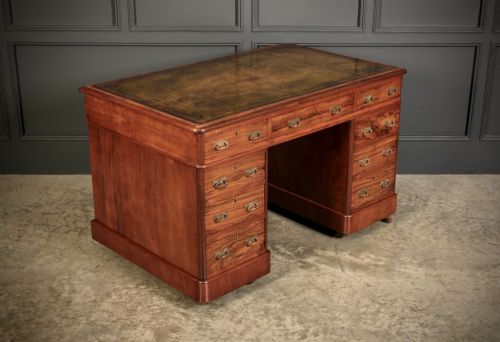
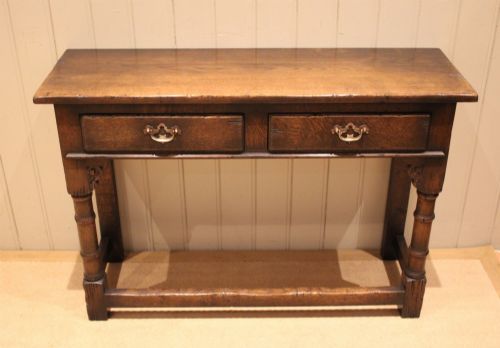
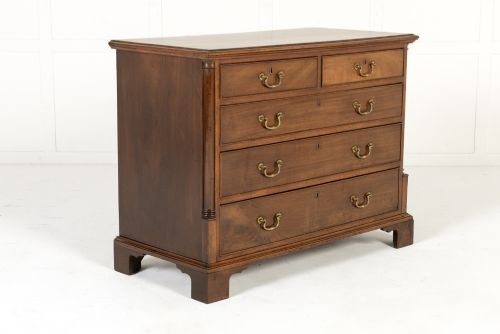
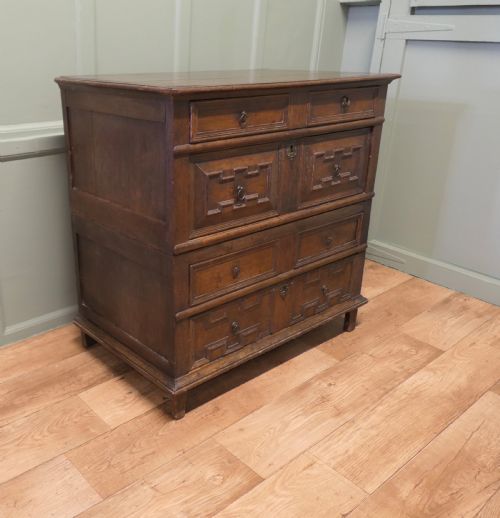
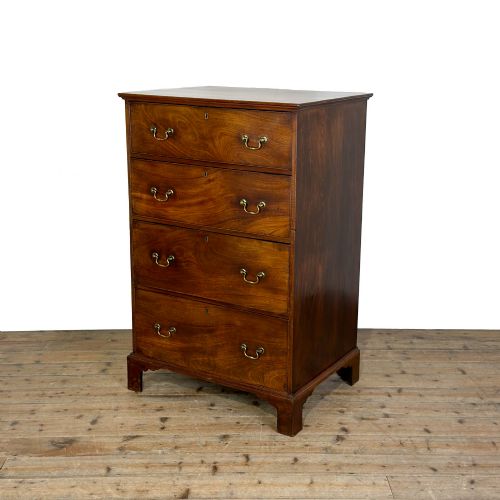
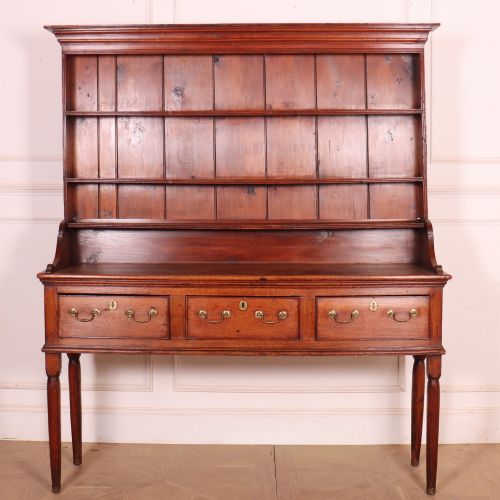
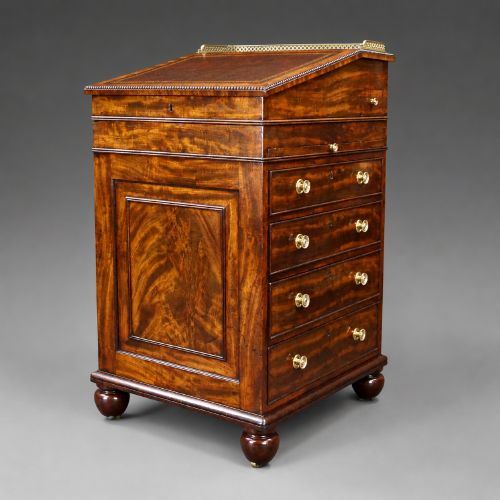
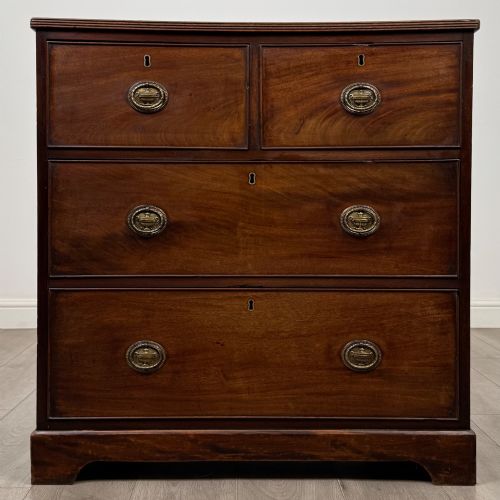
When searching for english brown drawers, you encounter a diverse selection of storage furniture spanning several centuries of British design. These pieces primarily take the form of chests of drawers, alongside related writing furniture like bureaus, desks, and lowboys.
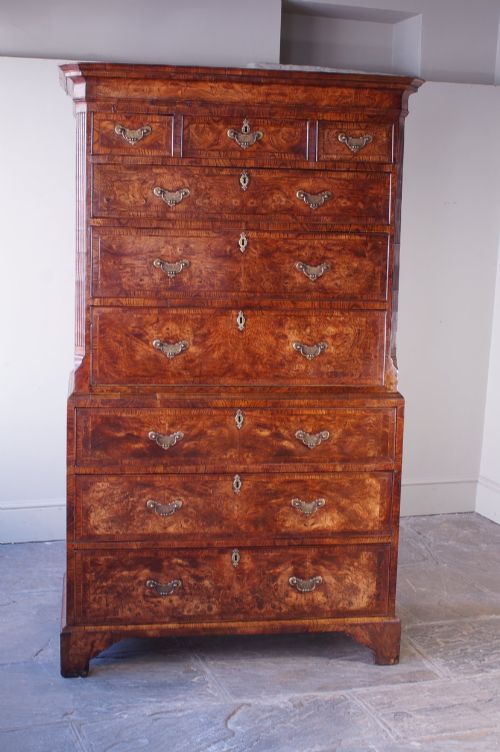
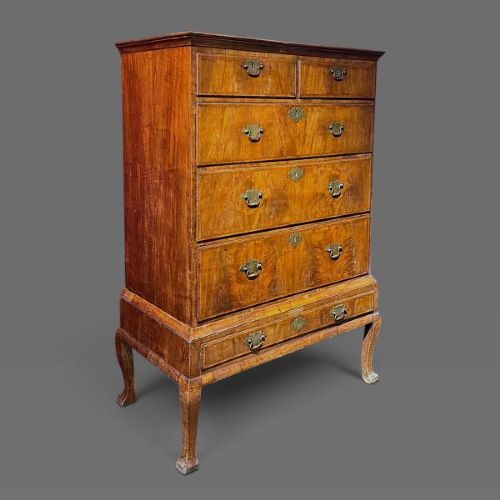
The most common examples on this page date from the Georgian and Regency periods, constructed from durable native and imported hardwoods. From tall chests on chests to compact bedside tables and sewing tables, these items combine utilitarian storage with distinct period character.
Materials and construction
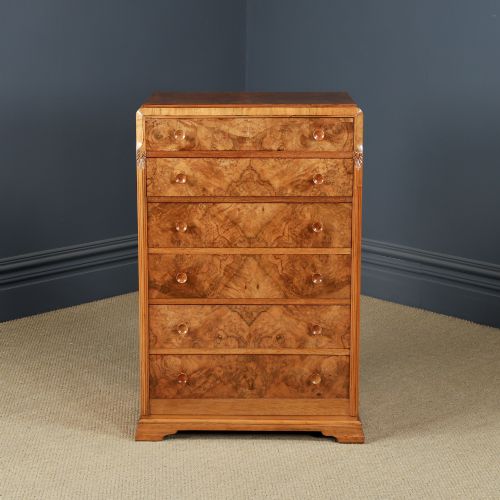
Cabinet makers relied heavily on solid oak, walnut, and mahogany, frequently applying figured veneers or burr walnut to create striking visual patterns on drawer fronts. Secondary timbers such as pine often formed the internal drawer linings and backboards.
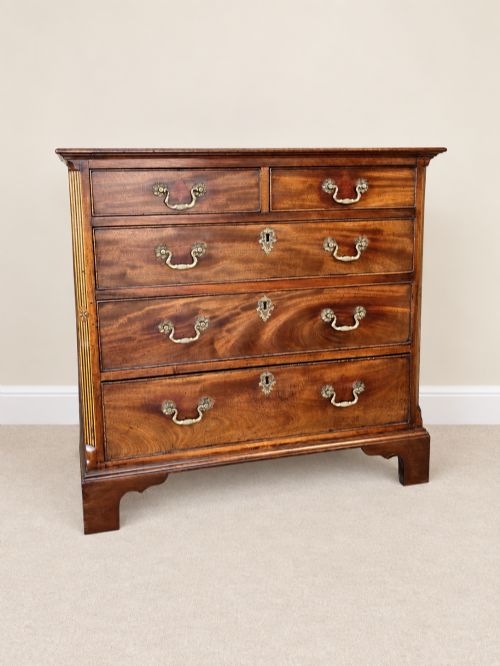
Metal hardware like brass drop handles, escutcheons, and iron fittings secured the structural elements while providing functional closure. Traditional joinery techniques ensured these pieces withstood daily use over generations.
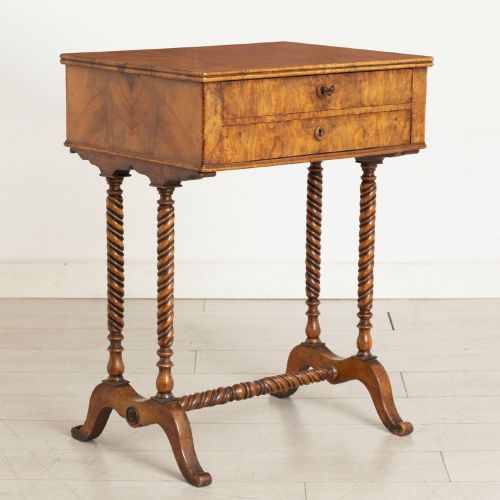
Several sewing and work tables feature secret compartments designed for storing thimbles, thread, and confidential letters.
Evaluating quality and execution
Superior examples distinguish themselves through the careful selection of timber, such as matched flame mahogany or figured ash, arranged to showcase natural grain patterns. The precision of the dovetail joints and the smooth action of the drawer runners also mark the distinction between standard workshop output and finer cabinet work.
Proportion and decorative restraint dictate the visual success of a piece. Finer items balance robust construction with subtle detailing like inlay or shaped bracket feet, retaining their original surfaces and patination.
Gillows
The English Brown Drawers Glossary
- Bow front
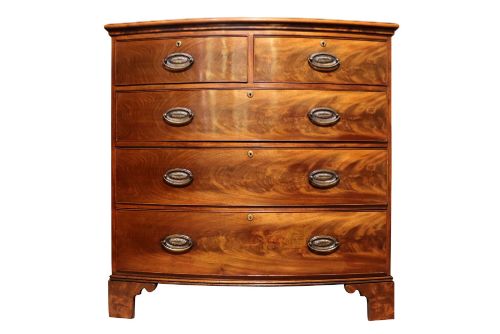
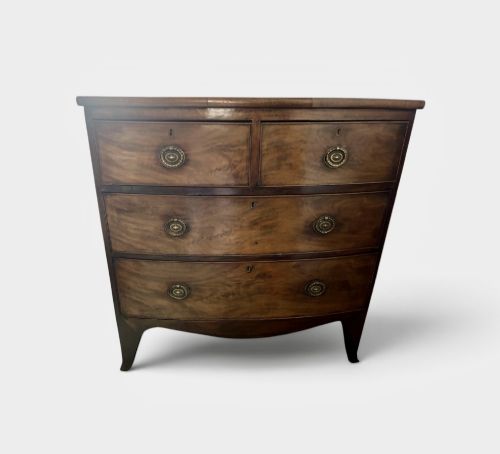
- A convex, curved front profile popular on Regency and Georgian chests of drawers. This shape softens the corners of the furniture and adds visual movement.
- Lowboy
- A small oak or walnut table with drawers, functioning historically as a dressing table or side table. These compact tables typically feature one or more small drawers beneath the working surface.
- Bureau
- A desk featuring a hinged writing flap that drops down to reveal internal pigeonholes and small drawers. Many examples sit atop a standard chest of drawer base.
- Dovetail
- A traditional interlocking joint used to connect drawer sides to drawer fronts. Finely spaced, hand-cut dovetails indicate careful carpentry.
English Brown Drawers: Frequently Asked Questions
How do I date an old chest?
Dating relies on observing construction methods, timber choices, and hardware styles across different eras. Examining the drawer linings and backboards often reveals period-specific tool marks and wood types.
Earlier pieces from the seventeenth and eighteenth centuries frequently utilise oak or walnut with hand-cut dovetails, while nineteenth-century items show different aesthetic proportions and handle designs.
What is a bachelor's chest?
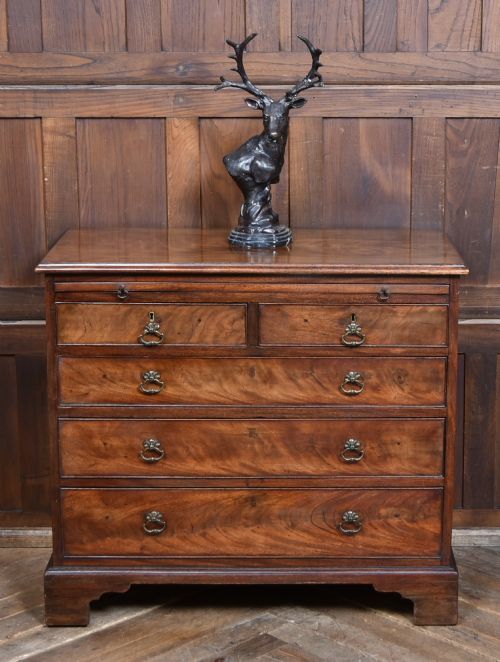
A bachelor's chest is a small, compact set of drawers featuring a pull-out shelf above the main drawers. This sliding board provided a convenient surface for writing or sorting papers.
These versatile pieces date predominantly from the eighteenth century and served practical functions in smaller bedchambers or dressing rooms.
Where should I place a lowboy?
A lowboy suits placement in an entryway, hallway, or living room as a console table. Its shallow depth and open leg space prevent it from overwhelming smaller rooms.
Alternatively, you can utilise it as a small dressing table or desk when paired with a matching chair.
How do I care for antique wood?
Maintain antique wood surfaces by keeping them away from direct sunlight and extreme temperature fluctuations. Regular dusting with a soft, dry cloth prevents particulate build-up.
Apply occasional applications of appropriate beeswax or furniture polish to nourish the timber and preserve the historic finish.