

English Brown Commode
An english brown commode offers deep timber grain and practical storage, spanning periods from seventeenth-century oak to nineteenth-century mahogany.
English Brown Commode
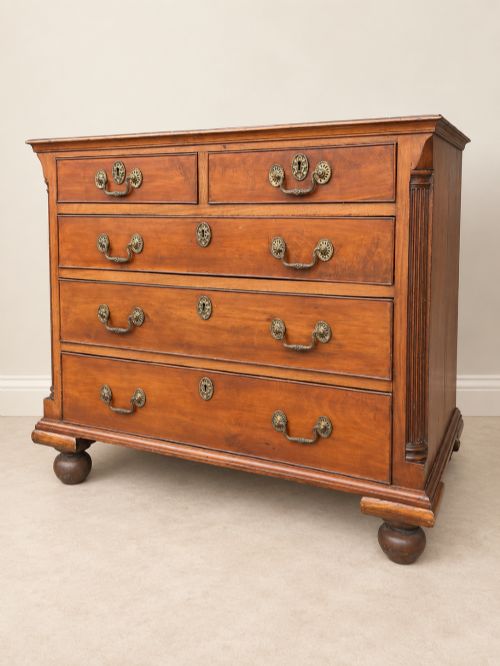
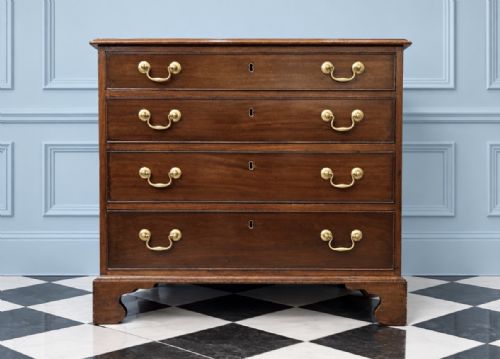
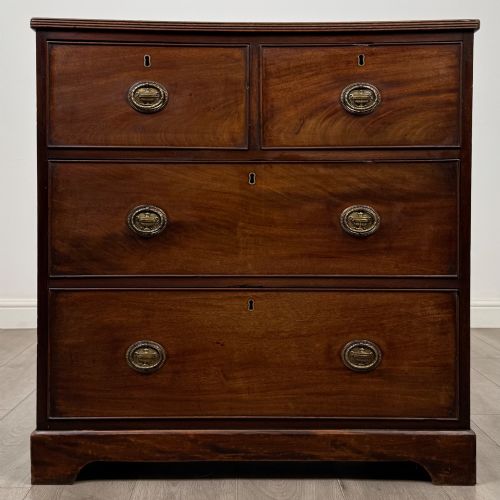
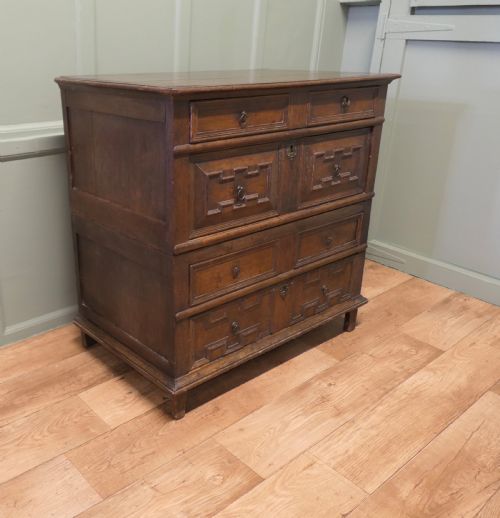
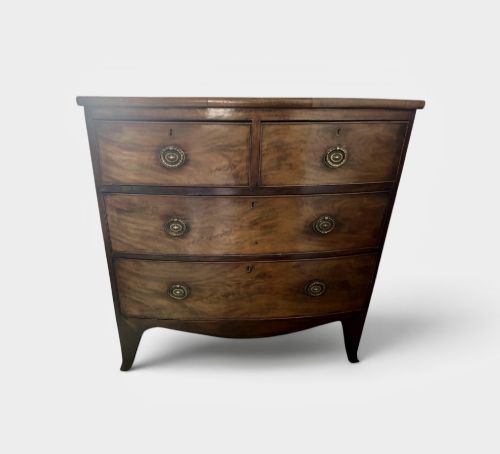
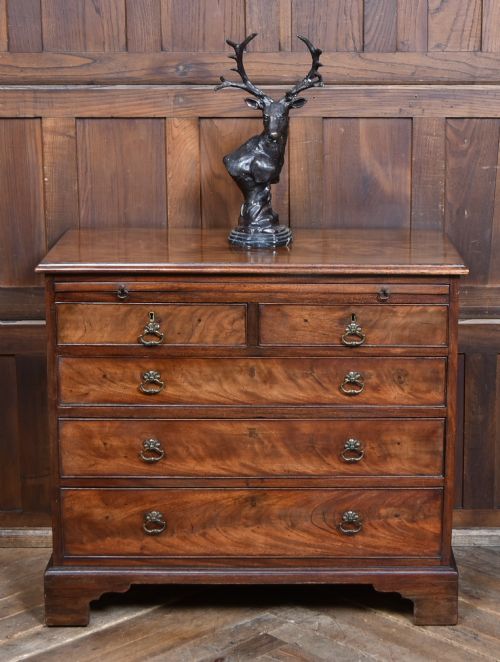
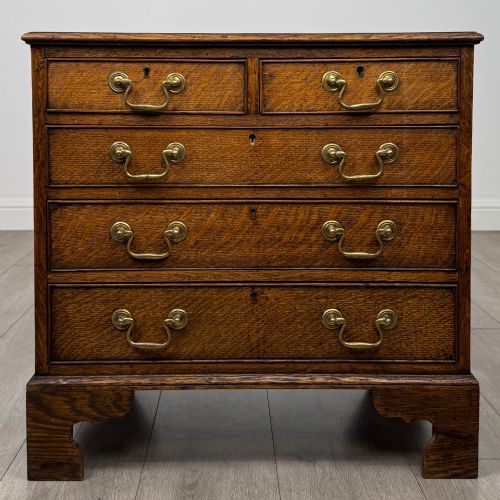
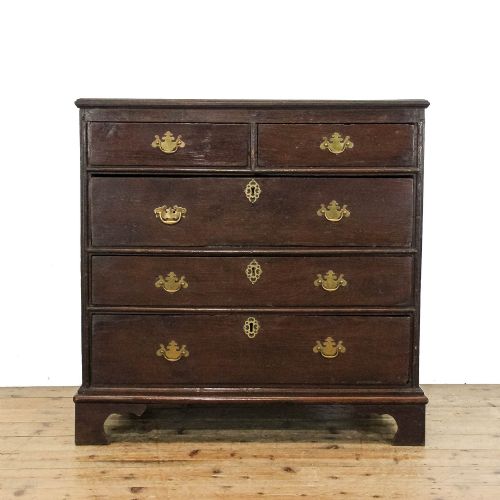
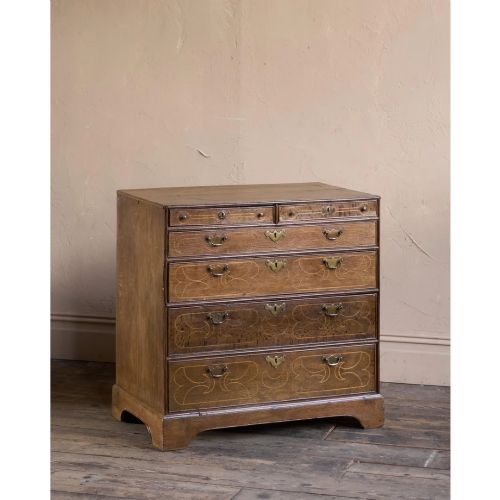
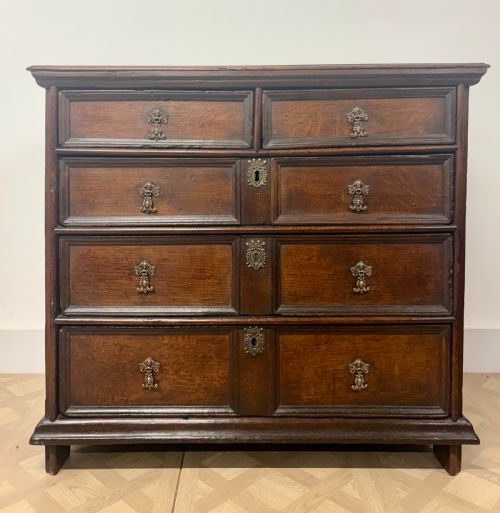
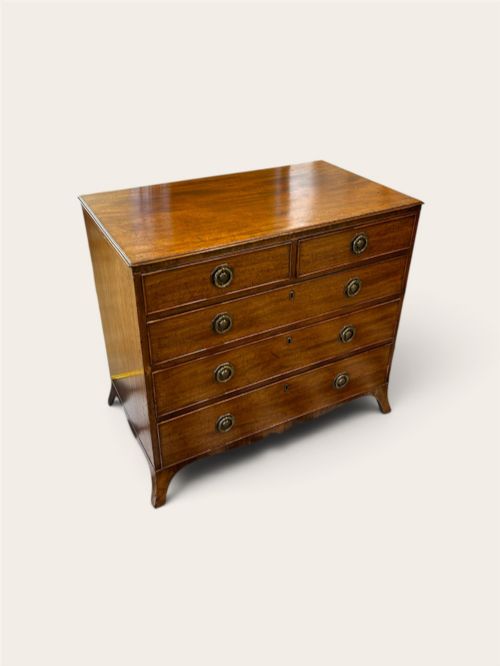
When a buyer looks for an english brown commode, they find dark wood storage furniture spanning multiple centuries. The selection includes chests of drawers, bachelor chests, and commode chairs originating from Georgian, Regency, and seventeenth-century periods.
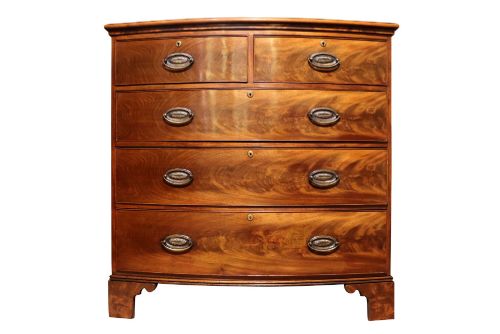
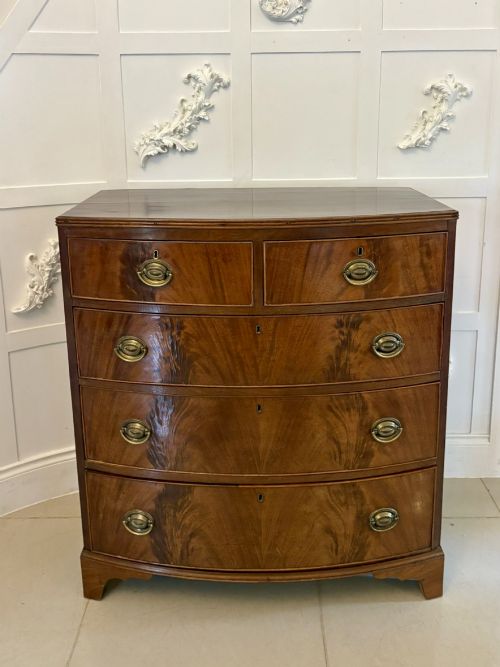
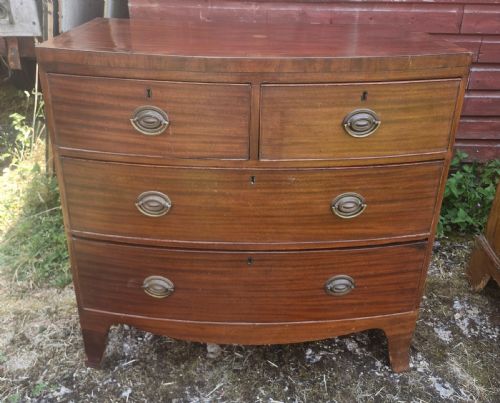
Mahogany and oak dominate the offerings, appearing alongside walnut, elm, and yew wood. Many examples feature bow fronts, serpentine shapes, or simpler rectilinear forms intended for domestic chambers.
The term often encompasses traditional chests of drawers alongside specific commode forms. Buyers encounter pieces styled in William and Mary, George III, and Regency designs.
How they were made
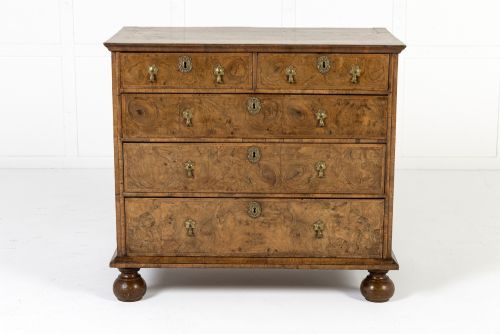
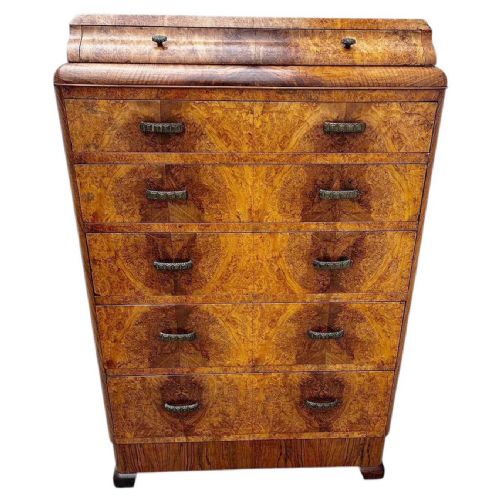
Cabinetmakers utilised solid timbers and applied veneers like burr walnut, olive oyster, and floral marquetry over secondary woods. Cross-banding and feather-banded borders provided decorative framing to drawer fronts.
Brass handles and escutcheons complemented the dark brown tones of the wood. Dovetail joinery connected drawer boxes while panelled construction stabilized the main carcase.
English Brown Commode Retail Price Guide 2026
Typical asking prices for english brown commode among the pieces listed under this phrase on Sellingantiques today, from the lower quarter to the upper quarter. They describe what is for sale here now, not the wider market.
A garret chest offers snug storage once reserved for the attic, proving that even upper-floor servants had stylish furniture.
What varies in quality
The selection of timber grain largely dictates the visual merit of each piece. Highly figured mahogany, burr elm, and symmetric oyster veneers indicate careful material selection by the maker.
Proportion and execution of detail separate standard items from finer works. Crisp mouldings, well-fitted drawers, and intact period hardware elevate the status of the furniture.
The English Brown Commode Glossary
- Bow front
- A convex curved front facade popular on Regency and Georgian chests of drawers. This shape softens the profile of standard rectangular storage furniture.
- Oyster veneer
- Circular slices cut from small branches or boughs of timber to create patterned, undulating grain surfaces. This technique appeared frequently in seventeenth-century cabinetwork.
- Serpentine front
- A facade featuring a convex centre flanked by concave curves, or vice versa. This complex shaping demanded high skill from the carpenter.
- Cross-banding
- A decorative border of veneer laid with the wood grain running perpendicular to the surrounding surface. It frames drawer fronts and tabletops.
- Feather-banding
- Inlaid banding formed by small pieces of veneer arranged in a V-shape resembling a bird feather. It highlights the edges of drawer panels on walnut furniture.
English Brown Commode: Frequently Asked Questions
How do I date an english brown commode?
Examine the timber species, construction methods, and hardware styles to determine the era. Seventeenth-century pieces typically utilise oak with geometric mouldings, while Georgian and Regency examples favour mahogany with refined dovetailing.
Secondary woods and drawer linings also offer clues to origin. Earlier pieces show hand-sawn board marks, whereas nineteenth-century items display more uniform machine-prepared timber.
What is the difference between a chest and a commode?
Historically, commodes often referred to low cabinets with drawers or doors, sometimes enclosing chamber pots, whereas chests functioned primarily as stacked drawer units for clothing. Over time, terminology blurred across different European influences.
English cabinetmakers applied the term commode to sophisticated serpentine or bow-front furniture influenced by French designs, while standard chests retained simpler utilitarian forms.
How do I care for antique wood furniture?
Maintain stable indoor humidity levels and keep wooden surfaces away from direct heat sources and harsh sunlight. Consistent environmental conditions prevent timber from splitting or warping.
Apply traditional beeswax occasionally to nourish the polish and maintain the natural lustre of the dark grain. Avoid modern silicone sprays which can damage historic finishes.
Where should I place a brown wood commode?
These versatile storage pieces fit well in hallways, bedrooms, or living spaces as focal points for lamps and decorative objects. Their dark wood tones anchor neutral interior colour schemes effectively.
Ensure adequate wall clearance for drawers to open fully without obstruction. Positioning away from exterior walls protects vulnerable veneers from dampness.